The Gulf’s Transformation from Growth Engine to Test Market
For years, the Gulf region—particularly countries like the UAE, Saudi Arabia, and Qatar—has been a powerful growth engine for global luxury brands. High disposable incomes, a young and aspirational population, and a strong appetite for premium goods turned cities like Dubai and Riyadh into thriving hubs for luxury retail. However, the narrative is beginning to shift. What was once a straightforward market of rising demand is evolving into a more complex and challenging environment. Luxury brands are now facing a new reality where the Gulf is not just a source of profits, but also a testing ground for resilience, adaptability, and long-term strategy.
Changing Consumer Behavior in a Maturing Market
One of the key factors driving this shift is the transformation in consumer behavior. Gulf consumers are no longer driven solely by brand prestige or logo visibility. Instead, they are becoming more discerning, seeking value, exclusivity, and meaningful experiences. Younger generations, in particular, are prioritizing authenticity, sustainability, and personalization over traditional status symbols. This change is forcing luxury brands to rethink their offerings, moving beyond conventional marketing approaches to create deeper emotional connections with their audience. The days of easy sales driven by brand recognition alone are gradually fading.
Economic Pressures and Spending Patterns
Although the Gulf remains one of the wealthiest regions globally, economic conditions are influencing spending habits. Fluctuations in oil prices, global inflation, and shifting government policies are subtly reshaping consumer confidence. While high-net-worth individuals continue to spend, middle and upper-middle-class consumers are becoming more cautious. This is especially significant for luxury brands that rely on a broader customer base beyond ultra-wealthy clients. As discretionary spending tightens, brands must work harder to justify their pricing and maintain customer loyalty in an increasingly competitive market.
The Rise of Local and Regional Competitors
Another major challenge for global luxury giants is the emergence of strong local and regional brands. These companies have a deep understanding of cultural nuances, consumer preferences, and regional trends. They are able to offer products and experiences that resonate more closely with local audiences, often at more competitive price points. This growing competition is eroding the dominance of international luxury houses, forcing them to innovate and localize their strategies. The Gulf is no longer a market where global brands can operate with a one-size-fits-all approach.
Digital Transformation and the New Retail Landscape
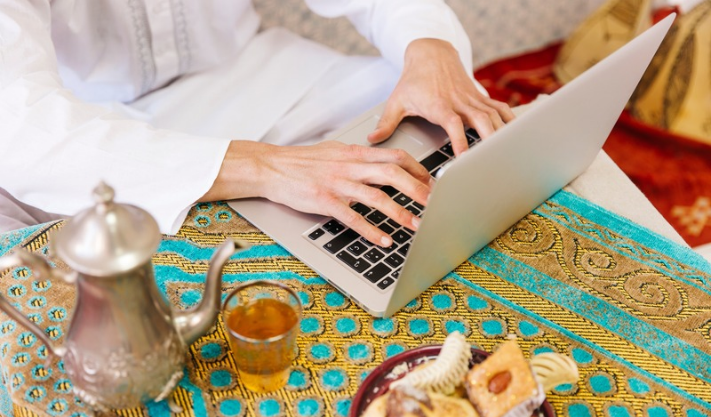
The rapid adoption of digital technologies in the Gulf is also reshaping the luxury retail landscape. E-commerce, social media, and influencer marketing are playing a larger role in shaping consumer decisions. Luxury brands, traditionally reliant on physical retail experiences, are now under pressure to deliver seamless omnichannel experiences. Customers expect the same level of exclusivity and service online as they do in flagship stores. This requires significant investment in technology, logistics, and customer engagement strategies. Brands that fail to adapt risk losing relevance in an increasingly digital-first environment.
Tourism and Its Evolving Impact
Tourism has long been a key driver of luxury sales in the Gulf, particularly in cities like Dubai. However, the dynamics of tourism are changing. While the region continues to attract visitors, competition from other global destinations is intensifying. Additionally, shifts in travel patterns and economic conditions are influencing tourist spending behavior. Luxury brands must now find ways to attract both local consumers and international visitors, balancing their strategies to cater to diverse customer segments. This dual focus adds another layer of complexity to operating in the region.
Government Policies and Economic Diversification
Governments across the Gulf are actively pursuing economic diversification strategies to reduce dependence on oil revenues. Initiatives such as Saudi Arabia’s Vision 2030 and the UAE’s long-term development plans are transforming the economic landscape. While these policies create new opportunities for luxury brands—such as increased tourism, entertainment, and cultural events—they also introduce new regulations and expectations. Brands must align with national visions, contribute to local economies, and adapt to evolving regulatory frameworks. This requires a deeper level of engagement and commitment to the region.
The Importance of Cultural Relevance
Cultural sensitivity and relevance have become critical success factors for luxury brands in the Gulf. Consumers expect brands to respect and reflect local traditions, values, and aesthetics. This includes everything from product design and marketing campaigns to in-store experiences and customer service. Brands that fail to understand or adapt to cultural expectations risk alienating their audience. On the other hand, those that successfully integrate local elements into their identity can build stronger connections and differentiate themselves in a crowded market.
Sustainability and Ethical Expectations
Sustainability is emerging as an important consideration for Gulf consumers, particularly among younger demographics. While the region has traditionally been associated with high consumption, there is a growing awareness of environmental and social issues. Luxury brands are increasingly expected to demonstrate ethical practices, transparency, and a commitment to sustainability. This shift presents both a challenge and an opportunity. Brands that can align their values with those of their customers can enhance their reputation and build long-term loyalty.
Navigating Uncertainty and Building Resilience
The evolving dynamics of the Gulf market highlight the need for resilience and adaptability among luxury brands. Success in this region now requires more than just a strong brand name; it demands a nuanced understanding of local markets, a willingness to innovate, and the ability to respond quickly to changing conditions. Brands must invest in data analytics, customer insights, and agile business models to stay ahead of the curve. Those that can navigate uncertainty effectively will be better positioned to sustain growth in the long term.
Conclusion
The Gulf region is undergoing a significant transformation, shifting from a straightforward growth market to a complex and demanding environment for luxury brands. While the opportunities remain substantial, the challenges are becoming more pronounced. Changing consumer behavior, economic pressures, increased competition, and evolving expectations are reshaping the landscape. For luxury giants, the Gulf is no longer just a source of profits—it is a critical testing ground that will define their ability to adapt and thrive in a rapidly changing global market.
Also Read:-
Youmna Khoury, Founder of Youmi Beauty: Beauty Is Power
Jumeirah Restores Burj Al Arab’s Iconic Legacy
Doha Bank Sets a New Global Benchmark in Wholesale Banking