A Global Icon Enters a New Chapter
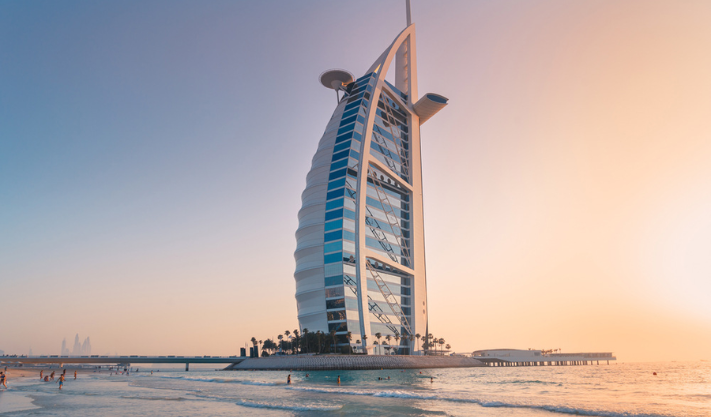
Few structures in the world symbolize modern luxury and architectural ambition as vividly as the Burj Al Arab. Rising like a sail against the Arabian Gulf, it has long stood as a defining emblem of Dubai’s transformation into a global destination for tourism and innovation. Now, its operator, Jumeirah, has embarked on its first major restoration project—an initiative that signals both reverence for the past and commitment to the future. This landmark effort is not merely about maintenance; it is about preserving the spirit, identity, and global prestige of one of the world’s most recognizable hotels.
Why Restoration Matters for Modern Landmarks
Unlike ancient monuments that undergo restoration due to age alone, contemporary icons like the Burj Al Arab face a different challenge. They must evolve alongside changing guest expectations while retaining the essence that made them legendary. Over the years, advancements in technology, sustainability practices, and luxury standards have reshaped the hospitality industry. For Jumeirah, the restoration is an opportunity to integrate these advancements without compromising the building’s iconic design and heritage. It reflects a broader industry shift where legacy properties must innovate to remain relevant.
Preserving Architectural Brilliance
Designed to resemble the billowing sail of a dhow, the Burj Al Arab is more than a hotel—it is a work of art. Its striking silhouette, innovative engineering, and opulent interiors have made it a global symbol of luxury hospitality. The restoration project places a strong emphasis on maintaining these defining features. From the grand atrium—one of the tallest in the world—to the intricate interior detailing, every aspect is being carefully assessed and preserved. The goal is not to alter the identity of the building but to enhance and protect its original brilliance for future generations.
Balancing Heritage with Innovation
One of the most significant challenges in restoring a modern icon is finding the balance between heritage and innovation. Guests today expect seamless digital experiences, energy efficiency, and personalized services that were not as prominent when the hotel first opened. Jumeirah’s approach involves upgrading infrastructure behind the scenes while ensuring that the guest-facing experience remains true to the hotel’s legacy. This includes modernizing systems, improving connectivity, and incorporating smart technologies that enhance comfort without disrupting the aesthetic.
Sustainability at the Core of Restoration
Sustainability has become a central focus in large-scale restoration projects worldwide, and this initiative is no exception. Efforts are being made to improve energy efficiency, reduce waste, and adopt environmentally responsible practices. This aligns with Dubai’s broader vision of sustainable development and positions the Burj Al Arab as not just a symbol of luxury, but also of responsible innovation. By integrating eco-conscious solutions, the restoration ensures that the hotel remains relevant in an era where environmental considerations are increasingly important to travelers.
Enhancing Guest Experience
At its core, the restoration is about elevating the guest experience. While the Burj Al Arab has always been synonymous with luxury, evolving expectations require continuous refinement. The project aims to enhance comfort, introduce new amenities, and refine service standards while maintaining the exclusivity that defines the brand. This includes subtle updates to suites, dining spaces, and wellness facilities, ensuring that guests continue to experience unmatched hospitality.
The Role of Craftsmanship and Expertise
A project of this scale demands exceptional craftsmanship and expertise. Specialists from various fields—architecture, engineering, design, and hospitality—are collaborating to ensure that every detail is executed to perfection. The restoration involves meticulous planning, from preserving intricate design elements to upgrading structural components. This collaborative effort underscores the importance of precision and dedication in maintaining a global icon.
Cultural and Economic Significance
The Burj Al Arab is not just a hotel; it is a cultural landmark that represents Dubai’s ambition and vision. Its restoration carries significant cultural and economic implications. As one of the most photographed and recognized buildings in the world, it plays a crucial role in attracting tourists and reinforcing Dubai’s global image. By investing in its preservation, Jumeirah is contributing to the city’s ongoing growth and reinforcing its position as a leader in luxury tourism.
A Symbol of Timeless Luxury
Luxury is constantly evolving, but true icons endure by adapting while staying true to their identity. The Burj Al Arab has long been associated with opulence, exclusivity, and innovation. This restoration ensures that it continues to set benchmarks in the hospitality industry. By preserving its legacy while embracing modern advancements, the hotel remains a symbol of timeless luxury.
Looking Ahead: A Future Built on Legacy
As the restoration progresses, it marks the beginning of a new chapter for the Burj Al Arab. The project is not just about preserving the past but about preparing for the future. It reflects a forward-thinking approach that recognizes the importance of evolution in maintaining relevance. For Jumeirah, this initiative is a testament to its commitment to excellence and its dedication to upholding the legacy of one of the world’s most iconic properties.
Conclusion: Preserving More Than a Building
The restoration of the Burj Al Arab is about more than maintaining a physical structure; it is about preserving a legacy that has defined luxury hospitality for decades. It represents a careful balance between tradition and innovation, ensuring that the hotel continues to inspire and captivate. As one of the most recognizable symbols of modern architecture, its preservation is a reminder that true icons are not just built—they are continuously nurtured and reimagined.
Also Read:-
Doha Bank Sets a New Global Benchmark in Wholesale Banking
Alpha Dhabi approves $544M dividend after profits
40 days that defined UAE resilience and strength