From Sanctions to Growth: How Easing Restrictions Is Changing Syria’s Economy
After more than 10 years of war and being cut off from the world economy, Syria may be entering a time of big change. The U.S. Department of the Treasury has eased some sanctions on Syria, allowing new investments and business activities to start. This important change, along with a special permit from the U.S. Department of State under the Caesar Act, is meant to help Syria’s economy recover — with the energy sector expected to play a key role.
Sanctions Lifted to Help Syria’s Economy
The U.S. Treasury’s General License 25 now allows certain activities that were previously banned under sanctions on Syria. These include financial services, oil trading, and working with Syria’s new government.
This decision supports former President Donald Trump’s plan to end sanctions. Treasury Secretary Scott Bessent said Syria has a chance for a better future. The U.S. State Department also approved actions to help Syria work with countries like the Gulf states and Türkiye, encouraging regional support for rebuilding the economy.
Syria’s economy has been badly damaged. It shrank by half between 2010 and 2021. Rebuilding could cost $250–400 billion. Over 90% of the population lives in poverty. Although the Syrian pound has improved slightly, it’s still far from its pre-war value. Still, the easing of sanctions has sparked hope. Businessmen like Ghassan Aboud and Imad al-Khatib are planning new projects, including a $200 million waste-sorting facility in Damascus.
Banking System Recovery
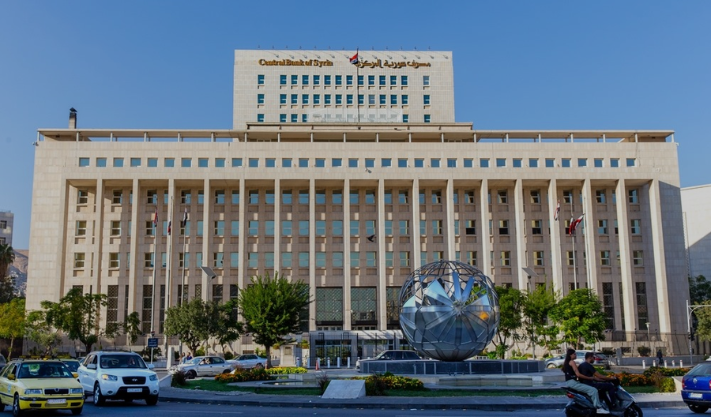
Syria’s banking system is key to rebuilding. With sanctions eased, both local and foreign banks can now use SWIFT codes again. These codes are needed for international money transfers. This move reconnects Syria with the global financial system.
The Central Bank Governor, Abdul Qadir al-Hasriya, said on Alhadath TV that the benefits of this change may be seen in 6 to 12 months.
Getting back into SWIFT will lower import costs, make exporting easier, attract foreign money, and help stabilize the economy. It will also help rebuild Syria’s foreign currency reserves and improve financial management.
In addition, the World Bank is returning to Syria after 14 years. This comes after Saudi Arabia and Qatar helped pay off $15.5 million in debt.
But some experts warn that lifting sanctions isn’t enough. Baihas Baghdadi, a Syrian banking expert in Spain, says Syria must create a fair and transparent business environment. Foreign investors need clear rules, legal protections, and guarantees.
He believes sectors like energy, finance, agriculture, tourism, and services have potential, but real change may take 3 to 5 years and needs international support.
Energy Sector Leads the Way
Energy is one of the most promising areas for growth. Before the war, Syria produced 383,000 barrels of oil daily. Now it’s down to 40,000–80,000 barrels. Sanctions and war caused the drop.
Lifting sanctions may bring major investments from the U.S., Türkiye, Qatar, and China to rebuild the energy industry.
In May, Syria signed a $7 billion deal with a group led by Qatar’s UCC Holding, U.S.-based Power International Holding, and Turkish companies Kalyon Enerji and Cengiz Enerji. The project includes building four gas-powered plants in Homs, Hama, and Deir-Azzour, and a 1,000 MW solar plant in southern Syria. These plants will provide more than half of the country’s electricity. The gas plants should be ready by 2028 and the solar plant by 2027.
Turkish companies are expected to lead in these investments due to strong ties with Syria’s leadership. Qatar is also investing to reduce Iran’s influence. Chinese firms are showing interest too, hoping to rebuild refineries and pipelines.
Challenges Remain
Despite progress, there are still problems. Some U.S. sanctions, like the Caesar Act, are still in place and need Congress to remove them. Also, General License 25 is only valid for six months, making businesses nervous about the future.
Steven Heydemann from the Brookings Institution warned that short-term licenses may not be enough to convince companies to invest.
Political tensions add to the uncertainty. Israel opposes Syria’s new government, and conflict continues in some areas. The Kurdish-led Syrian Democratic Forces, which control oil-rich regions, want autonomy. Other armed groups and ongoing violence also create risk. Meanwhile, Russia and Iran, left out of the new deals, may try to protect their interests in Syria.
Published: 16th June 2025
For more article like this please follow our social media Twitter, Linkedin & Instagram
Also Read:
Middle East Stock Markets Drop Amid Rising Israel-Iran Tensions
PRYPCO Mint Launches 2nd Token After Dubai Debut Success
Egypt Denies Red Sea Land Rumors, Affirms Full Ownership