Egypt Denies Rumors About Red Sea Land, Says Government Still Owns It All
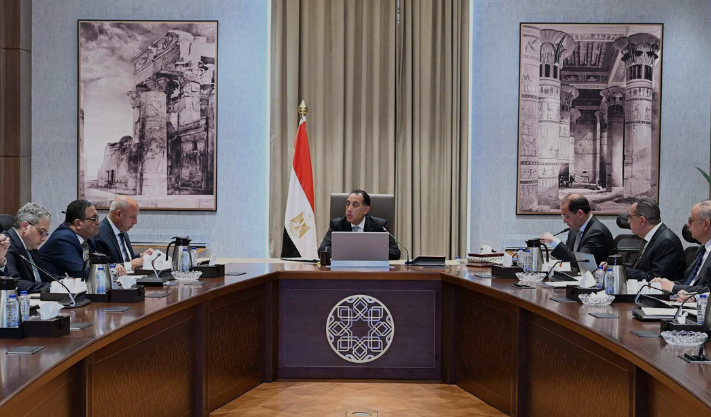
The Egyptian government has said that the Red Sea coastal land recently given to the Ministry of Finance will stay fully owned by the state. It denied reports claiming the land was being sold.
Egypt Keeps Control Over Key Land
The Egyptian government has decided to use over 41,000 acres of land near the Red Sea to support the country’s financial goals. This move shows Egypt’s plan to keep control over important national assets. A presidential order gave this land to the Ministry of Finance to help manage the country’s finances, reduce public debt, and support the issuing of government bonds. However, the military will still own and control strategic lands separately.
The Red Sea land is valuable because of its location. It has strong potential for development and can bring in money. The government has said that it will not sell the land. Instead, it will use the land as security to borrow money, while still keeping full ownership.
The Ministry of Finance plans to work with government and business partners to turn the land into projects like tourism, real estate, and services. These projects are expected to create jobs, grow the economy, and bring long-term income.
By using the land as a guarantee for Islamic bonds (called sukuk), Egypt hopes to get better loan terms, lower the cost of debt, and free up money for important services like healthcare and education.
Managing the Budget Deficit
Egypt is facing tough economic times and is taking steps to improve its finances. In the next budget year (starting in July), Egypt expects a deficit of around $30.1 billion (1.5 trillion Egyptian pounds). The goal is to reduce public debt to 82.9% of GDP, down from 92% this year.
This plan shows how Egypt is trying to use its unused land in smart ways to support the national budget, without losing control over valuable assets. It highlights the government’s focus on using resources wisely and responsibly.
As of December 2024, Egypt’s external debt was $155.1 billion, slightly lower than $155.2 billion in September. Debt has gone up in recent years due to large projects like the new capital city and supporting the local currency. To help manage the situation, Egypt agreed to an $8 billion loan from the IMF as part of a broader economic reform plan.
Published: 13th June 2025
For more article like this please follow our social media Twitter, Linkedin & Instagram
Also Read:
Gold Up Amid Middle East Tensions and Weaker US Dollar
EU Delists UAE After Anti-Money Laundering Progress
IMF Visits Syria After 16 Years to Assess Economy, Finances