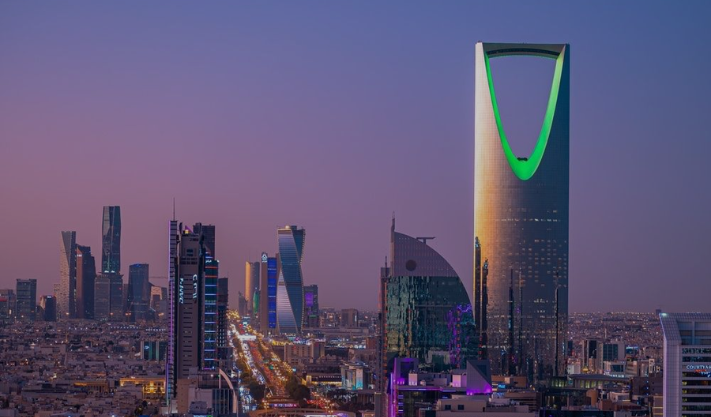
Inside the GCC’s $2.3T Economy: How Tourism, Fintech, and Digital Infrastructure Drive Growth
The economies of the Gulf Cooperation Council (GCC) are becoming less dependent on oil. In 2024, the region’s total economy reached $2.3 trillion, ranking ninth in the world, with annual growth of 2.2%. Despite global economic uncertainty, GCC countries are building stronger and more diverse economies by focusing on non-oil sectors.
The GCC includes Saudi Arabia, the United Arab Emirates (UAE), Qatar, Kuwait, Oman, and Bahrain. Today, non-oil activities are the main drivers of growth. According to official data, non-oil sectors accounted for 70.6% of GDP growth in 2024. In the first quarter of 2025, that number increased to 73.2%.
In Saudi Arabia, non-oil activities made up around 56% of GDP in 2024. This growth is supported by Vision 2030, a national reform plan that promotes industries such as tourism, construction, finance, and manufacturing. Other GCC countries are following a similar path. They are increasing private sector participation, expanding non-oil exports, and reducing their reliance on oil revenues.
Three important sectors are helping this transformation: tourism, fintech, and digital infrastructure.
Tourism
Tourism has become one of the strongest sectors in the GCC. It creates jobs, increases spending, and helps reduce dependence on oil. In 2024, tourism contributed $247.1 billion to the region’s GDP. This was 32% higher than in 2019.
Saudi Arabia leads regional tourism growth. In 2024, the country welcomed 122 million domestic and international visitors, a 6% increase compared to the previous year. Tourism spending reached $80 billion (SAR 300 billion). The government plans to invest $400 billion in tourism projects, including new destinations and airport expansion.
Cities like Madinah have seen strong growth. In 2025, Madinah welcomed more than 21 million visitors, and tourism spending rose 22% to $13.9 billion (SAR 52 billion). Religious and cultural sites upgraded under Vision 2030 played a key role in this increase.
The UAE is also a major tourism hub. Dubai continues to attract high-spending visitors with its luxury hotels, shopping, and global events. Tourism contributes about 5% to the UAE’s GDP. Travel within GCC countries is also rising. By 2034, tourism is expected to add $371.2 billion to the region’s GDP and create around 1.3 million jobs.
Fintech
Financial technology, or fintech, is another fast-growing sector in the GCC. Governments are introducing supportive regulations and encouraging digital payments and innovation.
In 2025, the GCC fintech market was valued at $10.5 billion. It is expected to grow to $29.8 billion by 2032. Investment in fintech across the Middle East reached $1.9 billion in 2023–2024, with GCC countries leading startup growth.
Saudi Arabia is a key player in this field. In 2025, fintech startups in the kingdom attracted about $3.7 billion, representing 74% of total startup funding in the country. Saudi Arabia also accounted for nearly half of all technology investments across the Middle East and North Africa.
The UAE is also expanding its fintech market. It is expected to reach $3.56 billion in 2025 and grow to $6.43 billion by 2030, with steady annual growth. Cities like Dubai and Abu Dhabi are becoming important centers for digital finance, attracting international investors and startups.
Digital Infrastructure
Strong digital infrastructure supports both tourism and fintech. GCC countries are investing heavily in 5G networks, data centers, and smart technologies.
The GCC data center market was valued at $3.48 billion in 2024 and is expected to grow to $9.49 billion by 2030. Saudi Arabia plans to invest over $18 billion in data centers under Vision 2030. This includes major projects like NEOM’s partnership to build large, renewable-powered facilities.
The UAE is also developing large technology projects in Abu Dhabi and Dubai to support artificial intelligence and cloud services. Across the region, 5G adoption is expected to reach 95% by 2030, higher than global averages. Oman, Qatar, and Bahrain are also investing in digital strategies to improve broadband, cloud services, and smart city technologies.
These investments help sectors such as e-commerce, healthcare, and education grow. They also attract global technology companies and create high-skilled jobs.
A More Resilient Future
The GCC’s shift toward non-oil sectors shows a clear strategy for long-term stability. The International Monetary Fund projects non-oil GDP growth of 3.6% by 2030. By investing in tourism, fintech, and digital infrastructure, the GCC is building a more balanced and competitive economy.
This transformation provides a model for other resource-dependent countries looking to secure sustainable economic growth beyond oil.
Published: 26th February 2026
For more article like this please follow our social media Twitter, Linkedin & Instagram
Also Read:
Qatar’s Commercial Boom: Real Growth or Incentive-Led Rise?
GCC real estate grows in H1 2026, beyond oil focus
Wealth on the Move: Why the UAE Is Attracting More Millionaires