Introduction: Who Is Khalid Al Malik?
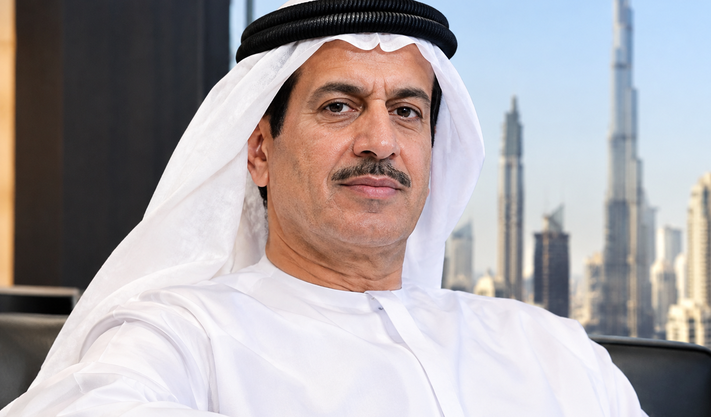
Khalid Al Malik is a prominent business executive in the United Arab Emirates and one of the influential leaders associated with Dubai’s real estate transformation. As Chief Executive Officer of Dubai Holding Real Estate and Managing Director of Dubai Holding, he oversees responsibilities connected to the group’s extensive property portfolio, urban planning, infrastructure strategy, development, and international real estate investments.
Dubai’s property market has evolved significantly over the past two decades. What was once primarily recognized for its commercial and residential expansion has become an international destination for property investment, luxury living, tourism, business, and large-scale urban development. This transformation has required long-term planning, substantial investment, advanced infrastructure, and leadership capable of managing complex development portfolios.
Khalid Al Malik’s professional journey is closely connected to this evolution. His experience across government-related organizations, industrial development, and real estate management provides a foundation for his current responsibilities. Through Dubai Holding Real Estate, he is associated with an organization that brings together major property development businesses, including Nakheel, Meraas, and Dubai Properties.
Why is Khalid Al Malik important to Dubai’s real estate industry?
His significance comes from his leadership role in a major integrated real estate organization responsible for developing communities, managing property assets, supporting urban growth, and contributing to Dubai’s long-term economic ambitions.
This article explores his background, education, leadership journey, responsibilities, business strategy, and the wider developments shaping Dubai’s real estate industry. It is original editorial content designed to provide readers with a clear understanding of his professional contribution.
Who Is Khalid Al Malik? Understanding His Professional Background
Khalid Al Malik is an Emirati business executive whose career combines experience in management, operations, investment, industrial development, and real estate.
His professional responsibilities extend beyond individual property projects. They involve strategic planning, investment relationships, infrastructure development, portfolio management, and coordination across different business organizations.
Before becoming a leading executive within Dubai Holding, Al Malik held several senior positions in the public and private sectors. These experiences helped build his understanding of large-scale business operations and the relationship between economic development and infrastructure.
What Makes His Professional Background Significant?
Real estate development is a multidisciplinary business. Successful projects require coordination between architects, engineers, financial institutions, government authorities, contractors, investors, and property management organizations.
An executive overseeing a large real estate portfolio must understand how these different functions work together.
Al Malik’s earlier experience in industrial development and business management provides relevant context for his current responsibilities. His career demonstrates the importance of combining operational knowledge with long-term strategic thinking.
What Is Khalid Al Malik’s Educational Background?
Khalid Al Malik has an academic background in business, information systems, and operations management.
His qualifications include a bachelor’s degree from the University of Arizona in the United States, where he completed a double major in Management Information Systems and Production and Operations Management.
He also holds a Master of Business Administration (MBA) from Zayed University in the UAE. In addition, he is a graduate of the Government Leaders’ Programme, which forms part of the Mohammed bin Rashid Programme for Leadership Development.
How Does His Education Connect With Real Estate Leadership?
His educational background covers areas that are relevant to managing large organizations.
Management Information Systems focuses on the relationship between technology, information, and business decisions. Production and Operations Management examines how organizations use resources, coordinate processes, and improve efficiency.
An MBA adds broader knowledge of business strategy, finance, leadership, and organizational management.
These areas are particularly relevant to the real estate industry, where executives must evaluate investment opportunities, manage development operations, coordinate teams, and make decisions involving substantial financial commitments.
As property companies increasingly use digital platforms, data analytics, and technology-based management systems, the connection between business operations and information technology is becoming more important.
How Did Khalid Al Malik Build His Leadership Career?
Al Malik’s professional journey includes several senior positions that contributed to his experience in economic development and real estate.
His earlier responsibilities included serving as Director of Operations at the Dubai Development and Investment Authority, Chief Executive Officer of Dubai Industrial City, and Chief Executive Officer of Tatweer.
These positions exposed him to different aspects of development, including infrastructure, business operations, investment planning, and organizational management.
What Was His Role at Dubai Industrial City?
Dubai Industrial City is associated with the development of industrial infrastructure and business facilities that support manufacturing, logistics, and related economic activities.
Leadership in this environment requires an understanding of infrastructure planning, land use, business requirements, and long-term investment.
His experience in industrial development is relevant because both industrial and residential real estate depend on coordinated infrastructure, strategic land management, and effective project execution.
What Experience Did He Gain at Tatweer?
Tatweer was another important stage in Al Malik’s professional development. His leadership experience there contributed to his exposure to large-scale development and business management.
Managing an organization involved in development requires executives to balance strategic ambitions with operational realities. They must consider investment priorities, organizational performance, stakeholder relationships, and project requirements.
These experiences helped establish the professional foundation for his later responsibilities in Dubai’s property sector.
What Is Khalid Al Malik’s Role at Dubai Holding?
Khalid Al Malik serves as Managing Director of Dubai Holding and Chief Executive Officer of Dubai Holding Real Estate.
In his Managing Director role, he is responsible for leading the group’s real estate portfolio, including urban planning, infrastructure strategy, and development. His responsibilities also include international real estate investments and strategic relationships with local and international investors.
He also contributes expertise to major real estate projects within Dubai Holding’s subsidiaries.
What Are His Main Leadership Responsibilities?
His responsibilities cover several important areas:
- Real estate strategy: Supporting the direction and long-term development of the group’s property portfolio.
- Urban planning: Contributing to the planning of communities and destinations.
- Infrastructure strategy: Supporting the infrastructure requirements of major developments.
- Investment management: Overseeing international real estate investment interests.
- Investor relationships: Managing strategic relationships with local and international investors.
- Government affairs: Supporting coordination and relationships with relevant government stakeholders.
- Development oversight: Providing leadership and expertise across major real estate projects.
These responsibilities demonstrate the scale of leadership required to manage a diversified property organization.
What Is Dubai Holding Real Estate?
Dubai Holding Real Estate is an integrated master development and asset management platform within Dubai Holding.
Its activities cover residential communities, waterfront destinations, mixed-use developments, commercial assets, and property-related services.
The organization brings together major development businesses under a unified real estate platform. Its approach focuses on creating destinations that support Dubai’s economic growth, urban development, and quality of life.
The company also aligns its development direction with the Dubai 2040 Urban Master Plan, which provides a long-term framework for the emirate’s urban development.
How Large Is Dubai Holding Real Estate?
Dubai Holding’s published real estate overview reports more than 106,700 residential units and land plots delivered, with approximately 1.6 million people living in its communities.
These figures illustrate the scale of the organization’s property portfolio and its connection to Dubai’s residential environment.
Its activities extend beyond constructing individual buildings. The organization is involved in the development of complete destinations that combine homes, public spaces, retail, hospitality, leisure, and other facilities.
Which Major Real Estate Companies Are Associated With Dubai Holding Real Estate?
Dubai Holding Real Estate brings together three major property development businesses: Nakheel, Meraas, and Dubai Properties.
Each company has its own development identity and contributes to different parts of Dubai’s real estate landscape.
Nakheel: Transforming Dubai’s Waterfront
Nakheel is one of Dubai’s best-known master developers, particularly recognized for its waterfront and large-scale community developments.
Its projects have contributed significantly to the expansion of Dubai’s coastline and residential destinations.
Some of its most recognized developments include:
- Palm Jumeirah
- Palm Jebel Ali
- Dubai Islands
Palm Jumeirah is an internationally recognized development that combines residential properties, hotels, restaurants, retail, leisure facilities, and marinas.
Palm Jebel Ali represents another major waterfront development ambition, while Dubai Islands introduces a broader destination concept involving residential, hospitality, leisure, and recreational facilities.
Nakheel’s work demonstrates how large-scale land development can influence tourism, residential investment, and the wider urban environment.
Meraas: Creating Design-Led Destinations
Meraas is known for design-focused developments that combine architecture, residential living, retail, hospitality, and entertainment.
Its portfolio includes destinations such as Bluewaters, City Walk, and Jumeira Bay.
These developments illustrate the importance of placemaking in modern real estate. A successful destination is not defined only by its buildings. It also depends on how people experience the surrounding environment.
Pedestrian-friendly spaces, dining, shopping, public areas, and recreational facilities can contribute to a destination’s identity.
Meraas demonstrates how real estate development can combine design, lifestyle, and commercial activity to create distinctive urban locations.
Dubai Properties: Developing Residential and Mixed-Use Communities
Dubai Properties has played an important role in the development of established residential and mixed-use destinations.
Its portfolio includes locations such as Jumeirah Beach Residence, Business Bay, Mudon, and Villanova.
These developments serve different market segments, from urban apartment residents and professionals to families seeking larger homes and community facilities.
The company’s activities reflect the importance of understanding residential demand, location preferences, transport connectivity, and access to everyday services.
Together, Nakheel, Meraas, and Dubai Properties provide Dubai Holding Real Estate with a diverse development portfolio.
How Does Khalid Al Malik Influence Dubai’s Urban Development?
Urban development involves much more than constructing residential towers, villas, or commercial buildings. It requires a long-term understanding of how people will live, work, travel, and interact within a city.
As CEO of Dubai Holding Real Estate, Al Malik’s responsibilities connect property development with wider urban planning and infrastructure strategy.
Supporting Integrated Communities
Integrated communities bring together residential properties and essential services within a connected environment.
Residents increasingly consider access to schools, healthcare, supermarkets, restaurants, parks, fitness facilities, and transport when choosing a home.
Developers must therefore consider the overall community experience rather than focusing only on property construction.
Dubai Holding Real Estate’s portfolio includes different types of communities and destinations that address a range of residential and lifestyle requirements.
Connecting Development With Infrastructure
Infrastructure is essential to the long-term performance of any real estate development.
Road networks, utilities, drainage, public spaces, transport access, and digital connectivity all influence how a community functions.
Large-scale developments require coordination between infrastructure planning and construction activities. If infrastructure is not considered early, it can affect accessibility, operating efficiency, and the long-term experience of residents.
Al Malik’s responsibilities include infrastructure strategy and development, making this an important part of his leadership role.
Supporting Long-Term Urban Planning
Dubai continues to expand through residential, commercial, tourism, and infrastructure development.
The Dubai 2040 Urban Master Plan provides a long-term framework for the city’s growth, with attention to urban communities, sustainable development, public spaces, and quality of life.
Dubai Holding Real Estate’s stated development direction is aligned with this broader framework.
Long-term planning helps ensure that new destinations are connected to the city’s wider economic and urban objectives.
How Does Dubai Holding Real Estate Contribute to Dubai’s Economy?
The real estate industry has strong connections with many other sectors, including construction, architecture, engineering, finance, hospitality, tourism, retail, and transportation.
Large property developments generate business opportunities across these industries.
Creating Employment Opportunities
Real estate development supports employment at different stages of a project’s lifecycle.
Architects, engineers, construction professionals, project managers, financial specialists, brokers, marketing teams, and property managers all contribute to the sector.
Once communities become operational, they also support employment in retail, hospitality, maintenance, security, education, healthcare, and other local services.
This means the economic contribution of a major development can continue long after construction is completed.
Supporting International Investment
Dubai has established itself as an international destination for property investors and businesses.
Its real estate market includes luxury residences, apartments, family communities, commercial properties, waterfront developments, and mixed-use destinations.
A diversified property portfolio gives investors and buyers access to different locations and property categories.
Dubai Holding Real Estate contributes to this environment through its major development businesses and investment activities.
Strengthening Tourism and Lifestyle Destinations
Many of Dubai’s real estate destinations combine residential properties with hotels, restaurants, shopping, entertainment, and leisure facilities.
These developments support tourism and create places that attract both residents and international visitors.
Waterfront destinations are particularly relevant because they connect residential living with hospitality, recreation, and coastal experiences.
This relationship between real estate and tourism is an important part of Dubai’s broader economic model.
What Is Khalid Al Malik’s Role in International Real Estate Investment?
Khalid Al Malik’s responsibilities at Dubai Holding include overseeing international real estate investments in markets such as Malta and Kochi, India.
International investment requires organizations to evaluate different economic environments, property regulations, development opportunities, and local partnerships.
A real estate opportunity that works in one country may require a different strategy in another. Local market knowledge, regulatory understanding, financing arrangements, and stakeholder relationships are essential.
Al Malik’s international investment responsibilities connect Dubai Holding’s domestic development activities with its broader investment interests.
This reflects the growing importance of global diversification among major real estate organizations.
What Are the Major Real Estate Trends Influencing Dubai in 2026?
Dubai’s property sector continues to evolve as technology, investment patterns, demographic changes, and lifestyle expectations influence the market.
Several trends are particularly relevant to the future of real estate development.
Sustainable and Environmentally Responsible Development
Sustainability is becoming an increasingly important consideration in modern property development.
Developers are paying attention to energy efficiency, water management, landscaping, building materials, waste reduction, and environmental performance.
These factors can influence operating costs and the long-term experience of residents.
For large master developers, sustainability needs to be considered throughout the development process rather than introduced only after construction.
Technology and Artificial Intelligence in Real Estate
Technology is changing how real estate organizations plan, market, sell, and manage properties.
Artificial intelligence and data analytics can support market research, customer communication, demand forecasting, and property management.
Digital platforms can also improve property searches, virtual viewing experiences, maintenance requests, and communication between residents and management teams.
As these tools become more widely adopted, real estate companies will need to integrate technology into both customer services and internal operations.
Demand for Lifestyle-Oriented Communities
Buyers increasingly evaluate the quality of life offered by a residential destination.
Green spaces, walking paths, recreational facilities, community centers, retail options, and convenient transport access can influence purchasing decisions.
This trend encourages developers to consider how people will experience a community over time.
Growth of Waterfront Residential Destinations
Dubai’s coastline continues to play an important role in its international property identity.
Waterfront developments combine residential living with beaches, marinas, hospitality, dining, and leisure facilities.
Projects such as Palm Jumeirah, Palm Jebel Ali, and Dubai Islands demonstrate the importance of coastal development in the city’s long-term real estate ambitions.
Greater Attention to Asset Management
The responsibilities of a developer do not end when a project is delivered.
Buildings and communities require maintenance, facilities management, customer support, safety services, and infrastructure upkeep.
Effective asset management helps preserve property quality and maintain a positive experience for residents, visitors, and tenants.
For organizations with large property portfolios, this is a major part of long-term business performance.
What Makes Khalid Al Malik’s Leadership Approach Significant?
Al Malik’s leadership experience combines business management, industrial development, real estate strategy, and investment oversight.
This combination is important because the real estate industry involves complex decisions that affect financial performance, infrastructure, customer experience, and long-term urban growth.
A Focus on Strategic Planning
Strategic planning helps organizations determine where to invest, which development opportunities to pursue, and how to manage their portfolios.
Large real estate organizations must balance immediate market demand with long-term objectives.
This requires careful consideration of land use, investment priorities, project feasibility, and future community requirements.
Understanding Operational Performance
A successful real estate business needs effective operations.
Project timelines, construction quality, service delivery, maintenance, and customer satisfaction all contribute to the performance of a property portfolio.
Al Malik’s earlier leadership experience in operations and industrial development provides relevant context for his current executive responsibilities.
Building Investor and Government Relationships
Major property developments often involve multiple stakeholders.
Investors, government entities, contractors, financial institutions, consultants, and local partners may all contribute to different stages of a project.
Strong professional relationships help organizations coordinate their activities, evaluate investment opportunities, and support long-term development objectives.
Dubai Holding identifies investor relationships and government affairs among Al Malik’s responsibilities.
What Is the Future Direction of Dubai Holding Real Estate?
The future direction of Dubai Holding Real Estate is connected to Dubai’s broader ambitions for urban growth, investment, sustainability, and quality of life.
The organization has emphasized integrated development, design excellence, strong project delivery, and alignment with the Dubai 2040 Urban Master Plan.
Several priorities are likely to remain important to its development ecosystem.
Developing Connected Communities
Future communities will need to provide more than residential buildings. They will require accessible services, public spaces, infrastructure, and facilities that support everyday life.
Improving Property and Asset Management
The performance of established communities will remain important alongside new development activity.
Efficient facilities management, maintenance, digital services, and resident support can help protect asset value.
Adapting to Changing Buyer Expectations
Property buyers are becoming more selective about location, design, amenities, sustainability, and long-term value.
Developers must understand these changing expectations when planning new projects.
Maintaining International Competitiveness
Dubai competes with major international cities for investment, businesses, residents, and visitors.
High-quality developments, reliable infrastructure, strong services, and attractive communities can help reinforce its international position.
Frequently Asked Questions About Khalid Al Malik
Who Is Khalid Al Malik?
Khalid Al Malik is a UAE business executive who serves as CEO of Dubai Holding Real Estate and Managing Director of Dubai Holding. His responsibilities include the group’s real estate portfolio, urban planning, infrastructure strategy, development, and international property investments.
What Is Khalid Al Malik’s Current Position in 2026?
He serves as Chief Executive Officer of Dubai Holding Real Estate and Managing Director of Dubai Holding.
What Is Khalid Al Malik Known For?
He is known for his leadership in Dubai’s real estate sector and his involvement in large-scale property development, urban planning, infrastructure strategy, and investment management.
What Did Khalid Al Malik Study?
He holds a bachelor’s degree from the University of Arizona, with a double major in Management Information Systems and Production and Operations Management. He also holds an MBA from Zayed University.
Which Companies Are Associated With Dubai Holding Real Estate?
The three major development businesses associated with Dubai Holding Real Estate are Nakheel, Meraas, and Dubai Properties.
What Are Some Major Developments Associated With Dubai Holding Real Estate?
Major destinations across its portfolio include Palm Jumeirah, Palm Jebel Ali, Dubai Islands, Bluewaters, City Walk, Jumeirah Beach Residence, Business Bay, and Villanova.
What Was Khalid Al Malik’s Previous Professional Experience?
His previous positions include Director of Operations at the Dubai Development and Investment Authority, CEO of Dubai Industrial City, and CEO of Tatweer.
Does Khalid Al Malik Oversee International Investments?
Yes. His responsibilities at Dubai Holding include international real estate investments in locations such as Malta and Kochi, India.
Why Is Dubai Holding Real Estate Important to Dubai?
The organization brings together major property development businesses and manages a substantial portfolio of residential, waterfront, commercial, and mixed-use destinations. Its activities contribute to housing, infrastructure, investment, tourism, and urban development.
How Does Dubai Holding Real Estate Support Sustainable Development?
Its stated development strategy emphasizes sustainable urban growth and alignment with the Dubai 2040 Urban Master Plan. Relevant considerations include community planning, infrastructure, environmental performance, and long-term asset management.
What Makes Dubai’s Real Estate Market Attractive to International Investors?
Dubai offers a diverse property market, international connectivity, established infrastructure, tourism opportunities, and residential and commercial investment options. Investors should assess individual properties, market conditions, costs, and risks before making decisions.
What Is the Future of Dubai’s Real Estate Industry?
Dubai’s property industry is expected to continue evolving through urban expansion, international investment, technology adoption, sustainability, infrastructure development, and changing residential preferences. Future performance will depend on supply, demand, economic conditions, and investor confidence.
Conclusion: Khalid Al Malik and Dubai’s Changing Real Estate Landscape
Khalid Al Malik’s professional journey reflects the relationship between business leadership, infrastructure development, investment strategy, and urban transformation.
His experience across government-related organizations, industrial development, and real estate management has contributed to his current responsibilities as CEO of Dubai Holding Real Estate and Managing Director of Dubai Holding.
Through Nakheel, Meraas, and Dubai Properties, Dubai Holding Real Estate is connected to some of the most recognizable residential communities, waterfront destinations, and mixed-use developments in the emirate.
Also Read:-
How Climate Change Is Affecting Wildlife and Nature in the UAE
Mohamed Alabbar: The Visionary Behind Emaar Properties
Explore 20 Beautiful Deserts Across the Middle East