What Rare and Endangered Animals Are Found in Oman?
Oman is home to a remarkable variety of wildlife, including Arabian mammals, desert reptiles, mountain species and marine animals. Its landscapes range from the Al Hajar Mountains and vast desert regions to coastal wetlands, rocky shorelines and the Arabian Sea. These different environments support animals that are specially adapted to survive in some of the region’s most challenging natural conditions.
What are some of the rare and endangered animals found in Oman? Important examples include the Arabian leopard, Arabian oryx, Arabian tahr, green sea turtle, hawksbill sea turtle, whale shark, dugong, Arabian gazelle, Nubian ibex and loggerhead sea turtle. These animals face different conservation challenges, including habitat loss, illegal hunting, fishing-related threats, pollution and human disturbance.
Oman has an important role in regional wildlife conservation because its mountains, deserts, islands and coastal waters provide habitats for species that are threatened across parts of the Arabian Peninsula and the wider Indian Ocean.
Some species are classified as Endangered or Critically Endangered on the International Union for Conservation of Nature (IUCN) Red List, while others have different global conservation assessments. Their conservation status can also vary by population and region.
This article explores 10 notable rare and threatened animals found in Oman, including their characteristics, habitats, ecological importance and the conservation measures that can help protect them.
Top 10 Rare and Endangered Animals Found in Oman
1. Arabian Leopard – One of the Rarest Big Cats in the World
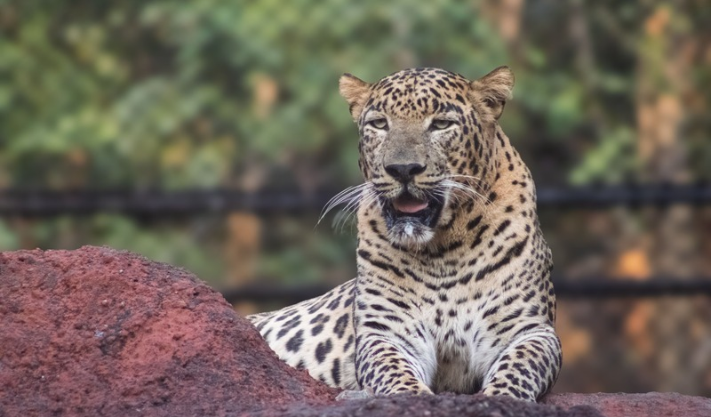
Scientific Name: Panthera pardus nimr | Conservation Status: Critically Endangered
The Arabian leopard is one of Oman’s most threatened and important wild animals. This rare subspecies of leopard is native to the Arabian Peninsula and is known for its relatively small body size, pale golden coat and dark rosette-shaped markings.
In Oman, the remaining wild population is primarily associated with the mountainous landscapes of Dhofar in the south. Its rugged habitat provides rocky shelters, natural cover and opportunities to hunt smaller mammals.
The Arabian leopard is an important predator because it helps maintain ecological balance by regulating prey populations. However, its survival is threatened by habitat degradation, declining prey availability, human-wildlife conflict and illegal hunting.
Why Is the Arabian Leopard Endangered?
Its population has become extremely small and fragmented across its remaining range. Conservation organisations identify Oman and Yemen as the principal countries where wild populations are still known to exist.
Protecting its habitat, reducing conflict with local communities and monitoring populations through camera traps are important conservation priorities.
2. Arabian Tahr – A Rare Mountain Mammal of the Hajar Mountains
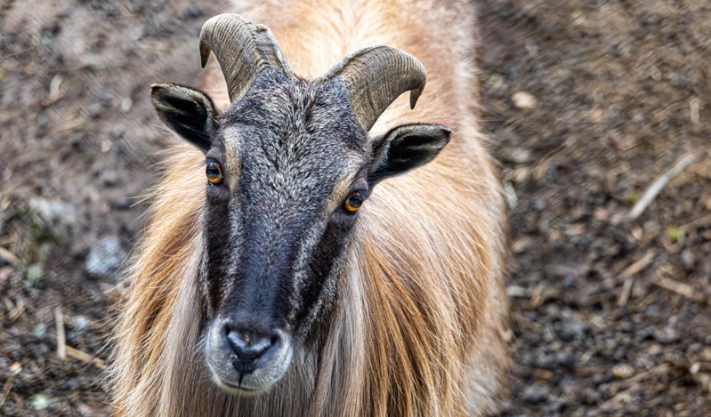
Scientific Name: Arabitragus jayakari | Conservation Status: Endangered
The Arabian tahr is a rare wild mammal found in the Hajar Mountain range of Oman and the United Arab Emirates. It is the smallest tahr species in the world and has a strong, compact body, reddish-brown coat and backward-curving horns.
This animal is specially adapted to mountainous environments. It can move across steep rocky slopes and uses mountain vegetation for food. Its natural habitat includes rugged valleys, cliffs and high-altitude areas where access for people and predators can be difficult.
The Arabian tahr plays an important role in mountain ecosystems by feeding on native vegetation and contributing to natural food chains.
What Are the Main Threats to the Arabian Tahr?
Habitat destruction, hunting, reduced water availability and climate change are among its major threats. Human activities can also disturb the mountain environments on which the species depends.
Oman protects the Arabian tahr under national wildlife conservation measures. Habitat monitoring, anti-poaching enforcement and research are important for supporting its survival.
3. Arabian Oryx – The White Antelope of the Desert
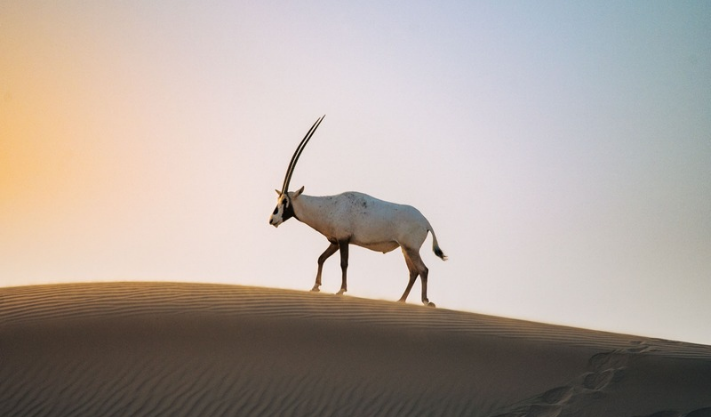
Scientific Name: Oryx leucoryx | Global Conservation Status: Vulnerable
The Arabian oryx is one of the most recognisable desert animals in Oman. It has a white coat, dark facial markings, long straight or slightly curved horns and broad hooves that help it move across sandy terrain.
The species is adapted to extremely dry conditions and can survive with limited access to drinking water by obtaining moisture from desert vegetation.
Oman has played an important role in the conservation history of the Arabian oryx. The Arabian Oryx Sanctuary was established as a major reintroduction area after the species disappeared from the wild in 1972. Reintroduction efforts began in the sanctuary in 1982.
The sanctuary became internationally recognised for its wildlife conservation importance. However, its UNESCO World Heritage status was withdrawn in 2007 following a major reduction in the protected area and concerns about the conservation of the oryx population.
Why Is the Arabian Oryx Still Considered Vulnerable?
Although international breeding and reintroduction programmes helped prevent its extinction, the species continues to face threats from illegal hunting, habitat pressures and changes in natural grazing areas.
Oman’s experience demonstrates how carefully managed breeding, habitat protection and wildlife monitoring can help restore threatened animal populations.
4. Arabian Gazelle – A Delicate Animal of Oman’s Dry Landscapes
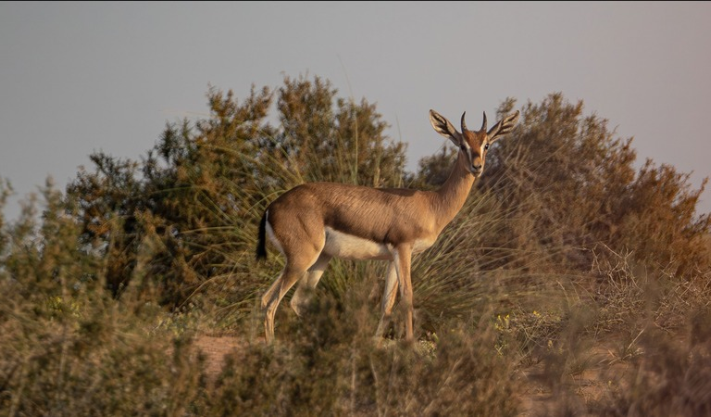
Scientific Name: Gazella arabica | Global Conservation Status: Vulnerable
The Arabian gazelle is a graceful mammal associated with the dry landscapes of the Arabian Peninsula. It has a slender body, long legs, a light-coloured coat and horns that are generally more developed in males.
In Oman, gazelles are associated with open plains, desert margins and areas where natural vegetation provides food and shelter. Their ability to move quickly helps them escape predators in exposed environments.
Gazelles are important to desert ecosystems because they feed on grasses, shrubs and other vegetation. They also provide a natural food source for predators such as the Arabian leopard and Arabian wolf.
What Threatens Arabian Gazelles in Oman?
Habitat loss, illegal hunting, competition with domestic livestock and disturbance of natural grazing areas can affect their populations.
Oman has used wildlife breeding and release programmes to support the recovery of certain gazelle populations. Continued monitoring is necessary to understand population trends and protect suitable habitats.
5. Nubian Ibex – A Skilled Climber of Rocky Mountains
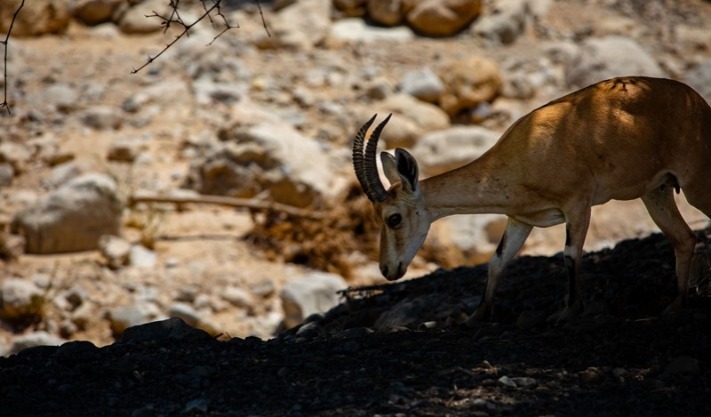
Scientific Name: Capra nubiana | Global Conservation Status: Vulnerable
The Nubian ibex is a wild mountain goat known for its impressive climbing ability and long, backward-curving horns. Its body is adapted to rocky terrain, allowing it to move across steep slopes and narrow mountain ledges.
In Oman, the country’s mountainous environments provide suitable habitats for wild mountain mammals, including ibex populations. These animals depend on natural vegetation, access to water and undisturbed rocky landscapes.
Nubian ibex are generally alert and cautious. They use elevated terrain to detect potential predators and escape danger.
Why Does the Nubian Ibex Need Conservation Attention?
Hunting, habitat disturbance, competition for grazing resources and human development can affect local populations.
Although the species has a wider regional distribution, its numbers and condition can vary between areas. Protecting mountain habitats and preventing illegal hunting are important measures for maintaining healthy wild populations.
6. Dhofar White-Toothed Shrew – A Small and Little-Known Endangered Mammal
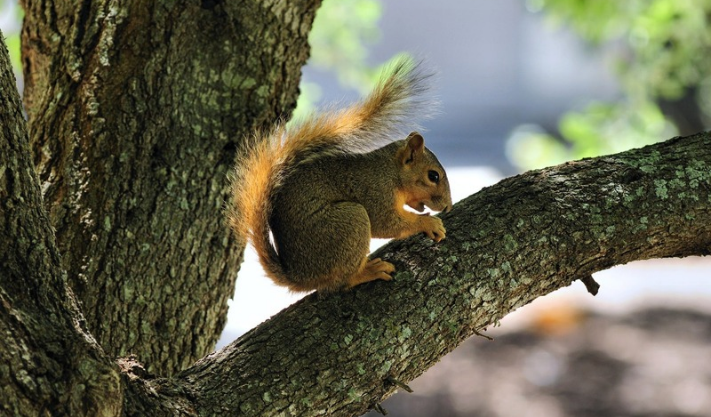
Scientific Name: Crocidura somalica dhofarensis | Listed in Older Oman Conservation Records as Critically Endangered
The Dhofar white-toothed shrew is a small mammal associated with the Dhofar region of southern Oman. Unlike the country’s larger and more recognisable wildlife, this tiny animal receives relatively little public attention.
Shrews have pointed snouts, small eyes and compact bodies. They generally feed on insects and other small invertebrates, making them useful members of natural ecosystems.
Dhofar’s seasonal climate, vegetation and local habitats provide important conditions for small mammals. However, species with restricted distributions can be particularly vulnerable when their natural environments change.
Why Is the Dhofar White-Toothed Shrew Important?
It represents the lesser-known biodiversity of Oman and highlights the need to protect small mammals as well as large wildlife.
Older Omani conservation records identify this shrew as Critically Endangered. Because detailed, current population information is limited, its latest classification and distribution should be checked against updated scientific assessments before publication.
Habitat surveys, ecological research and protection of suitable natural environments are essential for improving knowledge about this species.
7. Hawksbill Sea Turtle – A Critically Endangered Marine Reptile
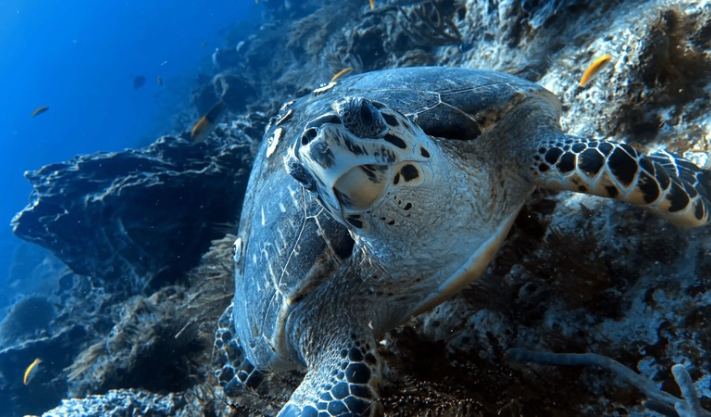
Scientific Name: Eretmochelys imbricata | Conservation Status: Critically Endangered
The hawksbill sea turtle is one of the most threatened marine reptiles found in Omani waters. It is recognised by its narrow, pointed beak and beautifully patterned shell.
Hawksbill turtles are closely associated with coral reef ecosystems, where they feed on sponges and other marine organisms. By influencing sponge populations, they help maintain the ecological balance of coral reef environments.
Oman’s coastline and islands provide important nesting and feeding habitats for marine turtles. Hawksbill turtles are among the species that nest along the country’s shores, including islands and coastal areas.
Why Is the Hawksbill Sea Turtle Endangered?
The species faces several serious threats, including illegal trade in turtle shells, accidental capture in fishing equipment, coastal development, plastic pollution and destruction of nesting beaches.
Light pollution can also affect hatchlings because artificial lighting may confuse them as they move towards the sea.
Protecting nesting beaches, reducing marine pollution and preventing illegal wildlife trade are essential conservation measures.
8. Green Sea Turtle – An Important Nesting Species on Oman’s Coastline
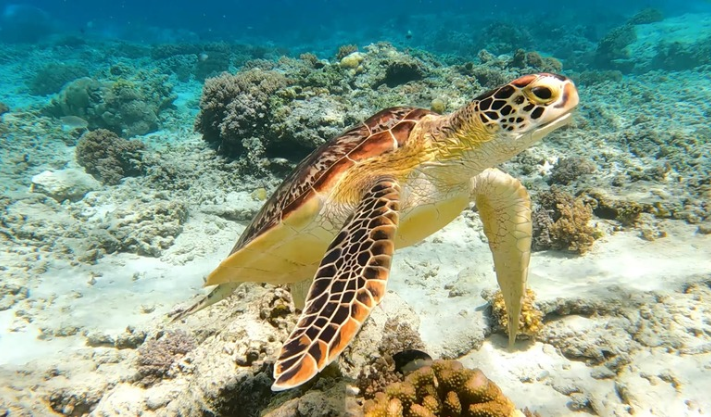
Scientific Name: Chelonia mydas | Conservation Status: Check Current Population-Specific IUCN Assessment
The green sea turtle is one of the most important marine animals found along Oman’s coastline. It is known for its large body, smooth shell and herbivorous feeding habits as an adult.
Unlike many other sea turtle species, adult green turtles mainly consume seagrasses and algae. Their feeding activity helps maintain healthy seagrass ecosystems, which support fish, marine invertebrates and other ocean wildlife.
Oman is especially important for green turtle nesting. Beaches around Ras Al Hadd, Ras Al Jinz and Masirah Island provide major nesting areas. Green turtles also use other stretches of the country’s coastline.
Why Is Oman Important for Green Turtle Conservation?
Oman supports significant nesting activity in the northwestern Indian Ocean. Research and beach monitoring help conservation teams understand nesting patterns, hatchling success and population changes.
The main threats include coastal development, artificial lighting, fishing-related deaths, plastic pollution and disturbance of nesting beaches.
Protecting coastal habitats and ensuring responsible tourism around nesting areas are important steps towards safeguarding green turtles.
9. Loggerhead Sea Turtle – A Migratory Visitor and Nesting Species
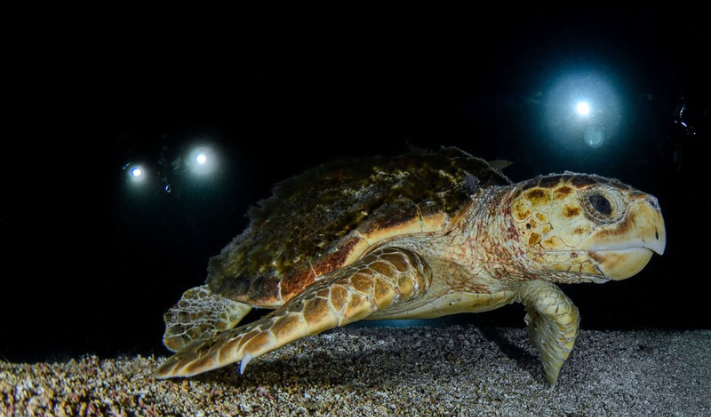
Scientific Name: Caretta caretta | Global Conservation Status: Vulnerable
The loggerhead sea turtle is a large marine reptile with a broad head, powerful jaws and a reddish-brown shell. It is known for long-distance movements across ocean environments.
Oman is particularly significant for loggerhead turtle conservation because Masirah Island supports an important nesting population. The island is recognised as a major nesting location for loggerhead turtles in the Indian Ocean.
Loggerheads feed on a range of marine animals, including crabs, molluscs and other invertebrates. Their feeding activity contributes to the ecological processes of marine environments.
What Are the Biggest Threats to Loggerhead Turtles in Oman?
Fishing-related bycatch, coastal development, beach disturbance, plastic pollution and artificial lighting can affect their survival.
Research by the Environment Society of Oman has highlighted a substantial decline in loggerhead nesting numbers on Masirah Island.
Its conservation work includes monitoring nesting activity, studying population trends and raising awareness about threats to marine turtles.
Responsible coastal development and improved fishing practices are important for protecting this species.
10. Arabian Sea Humpback Whale – A Rare Whale Population in Omani Waters
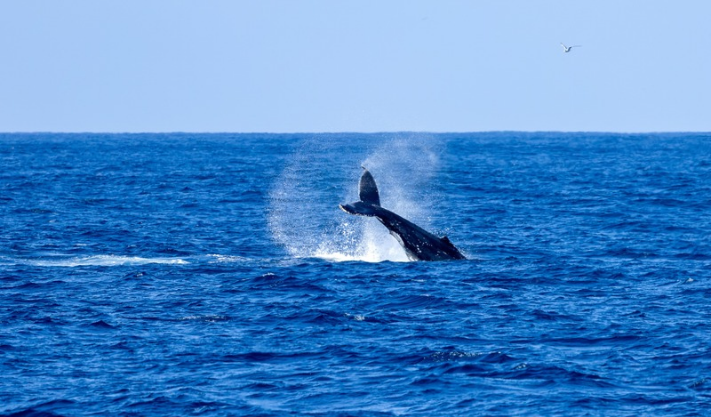
Scientific Name: Megaptera novaeangliae | Arabian Sea Population: Endangered
The Arabian Sea humpback whale is one of the most remarkable marine mammals associated with Oman’s waters. Humpback whales are large animals known for their long pectoral fins, complex vocalisations and impressive movements through the ocean.
The Arabian Sea population is especially important because it is considered a distinct, non-migratory population. Unlike many other humpback whale populations that migrate between tropical breeding areas and colder feeding grounds, these whales are understood to remain in the Arabian Sea throughout the year.
Oman’s coastline provides important habitat for these whales, making the country significant for marine mammal research and conservation.
Why Is the Arabian Sea Humpback Whale Endangered?
The population faces threats from accidental entanglement in fishing gear, ship strikes, underwater noise, habitat disturbance and other human activities.
Its relatively small population and distinct distribution make conservation particularly important.
Marine research, responsible shipping, improved fishing practices and protection of important ocean habitats can help reduce these risks.
Why Is Oman Important for Rare and Endangered Wildlife?
Oman has a unique geographical position in southeastern Arabia, where desert, mountain, coastal and marine ecosystems meet. These different environments support a wide range of wildlife, including species that are rare or threatened elsewhere.
1. Diverse Natural Habitats
Oman’s wildlife habitats include:
-
Al Hajar Mountains: Rocky terrain supporting Arabian tahr and other mountain wildlife.
-
Dhofar Mountains: Seasonal vegetation and rugged landscapes that provide habitat for the Arabian leopard and smaller mammals.
-
Central Desert: Natural habitat for Arabian oryx, gazelles and other desert-adapted species.
-
Masirah Island: An internationally important nesting area for loggerhead sea turtles.
-
Ras Al Jinz and Ras Al Hadd: Important coastal locations for green turtle nesting.
-
Daymaniyat Islands: Marine habitats that support coral reefs, sea turtles and other marine biodiversity.
2. Important Wildlife Conservation Areas
Protected areas help conserve important habitats and provide opportunities for research, wildlife monitoring and responsible ecotourism.
The Arabian Oryx Sanctuary is historically significant for its reintroduction programme. Coastal turtle nesting areas and protected marine environments are also important for preserving Oman’s biodiversity.
3. International Conservation Importance
Oman supports wildlife that contributes to regional and global biodiversity. Its Arabian leopard habitat, mountain ecosystems, turtle nesting beaches and Arabian Sea marine environments are important beyond the country’s borders.
Conservation efforts in Oman can therefore contribute to wider environmental protection across the Arabian Peninsula and the Indian Ocean.
What Are the Biggest Threats to Endangered Animals in Oman?
Rare and endangered wildlife in Oman faces several environmental and human-related pressures.
1. Habitat Loss and Development
Urban expansion, infrastructure projects and changes in land use can reduce natural habitats. Mountain animals and desert species may lose feeding grounds, breeding areas and access to shelter.
2. Illegal Hunting and Wildlife Trade
Illegal hunting can reduce populations of large mammals, including leopards, gazelles and oryx. Wildlife trade also creates serious risks for species such as hawksbill turtles.
3. Climate Change and Water Scarcity
Higher temperatures, changing rainfall patterns and limited water resources can affect vegetation, food availability and breeding conditions.
Desert and mountain species are particularly dependent on suitable environmental conditions.
4. Marine Pollution and Fishing Activities
Plastic waste, abandoned fishing equipment, accidental capture and coastal pollution can threaten turtles, whales and other marine animals.
5. Human Disturbance
Unregulated tourism, off-road driving, artificial lighting and disturbance around nesting beaches can interfere with wildlife behaviour and reproduction.
How Is Oman Protecting Rare and Endangered Animals?
Oman uses a combination of protected areas, wildlife regulations, conservation research, breeding programmes and public awareness initiatives to protect its natural heritage.
1. Protected Wildlife Habitats
Protected areas help maintain natural ecosystems and reduce pressure from activities that can damage important habitats.
2. Breeding and Reintroduction Programmes
The Arabian oryx is a major example of how captive breeding and reintroduction can support wildlife recovery.
Conservation programmes for other threatened animals also contribute to research and population management.
3. Sea Turtle Monitoring
Researchers and conservation organisations monitor nesting beaches, record turtle activity and study threats to hatchlings and adult turtles.
4. Environmental Education
Public awareness programmes help residents and visitors understand the importance of protecting wildlife.
Responsible tourism can support conservation when it follows official guidance and avoids disturbing animals.
5. Scientific Research and Wildlife Monitoring
Camera traps, field surveys, marine observations and population studies help conservation experts understand where species live and what threats they face.
Frequently Asked Questions About Rare and Endangered Animals in Oman
What Is the Rarest Animal Found in Oman?
The Arabian leopard is among the rarest and most threatened animals found in Oman. Its remaining wild population is mainly associated with the mountainous region of Dhofar, and the subspecies is classified as Critically Endangered.
Which Animals in Oman Are Critically Endangered?
The Arabian leopard and hawksbill sea turtle are examples of Critically Endangered species associated with Oman. Older national conservation records also list the Dhofar white-toothed shrew as Critically Endangered.
Where Can You Find Arabian Leopards in Oman?
Arabian leopards are associated with the mountainous areas of Dhofar in southern Oman. They are extremely difficult to observe in the wild because of their small population, secretive behaviour and remote habitat.
Which Sea Turtles Are Found in Oman?
Four species of sea turtles are known to nest along Oman’s coastline: green turtles, loggerhead turtles, hawksbill turtles and olive ridley turtles.
Leatherback turtles also occur in Omani waters but are not known to nest there.
Why Is Masirah Island Important for Wildlife?
Masirah Island is important because it supports a major loggerhead sea turtle nesting population. It is also a significant location for marine research and conservation activities.
Are Arabian Oryx Still Found in Oman?
Yes. Arabian oryx are found in Oman through conservation and reintroduction efforts. The Arabian Oryx Sanctuary has an important place in the history of restoring this desert-adapted species.
What Is the Most Endangered Marine Animal in Oman?
The hawksbill sea turtle is globally classified as Critically Endangered. The Arabian Sea humpback whale population is also classified as Endangered and is important to the marine biodiversity of Oman.
What Are the Main Threats to Wildlife in Oman?
The main threats include habitat loss, illegal hunting, human disturbance, climate change, marine pollution, fishing-related bycatch and the destruction of natural breeding areas.
How Can Tourists Help Protect Endangered Animals in Oman?
Tourists can help by following wildlife observation rules, avoiding disturbance of nesting beaches, never touching or feeding wild animals, disposing of waste responsibly and choosing responsible wildlife tourism operators.
Why Should Oman Protect Its Endangered Animals?
Protecting endangered animals helps maintain biodiversity, preserve natural ecosystems, support ecological balance and protect the country’s environmental heritage for future generations.
Conclusion: Protecting Oman’s Rare Wildlife for Future Generations
Oman is home to an extraordinary range of rare and threatened animals, from the elusive Arabian leopard in the mountains of Dhofar to sea turtles nesting along its coastline and humpback whales moving through the Arabian Sea.
The Arabian tahr, Arabian oryx, Arabian gazelle, Nubian ibex and Dhofar white-toothed shrew demonstrate the importance of protecting the country’s terrestrial biodiversity. Meanwhile, hawksbill, green and loggerhead turtles highlight the global importance of Oman’s coastal and marine ecosystems.
Also Read:-
Hussain Sajwani: DAMAC Properties Founder and Chairman
Discover 20 Migratory Birds Found Across the Middle East
Discover 10 Wild Animals in Saudi Arabia and Their Habitats