UAE Plans to Leave OPEC and OPEC+ During Oil Crisis
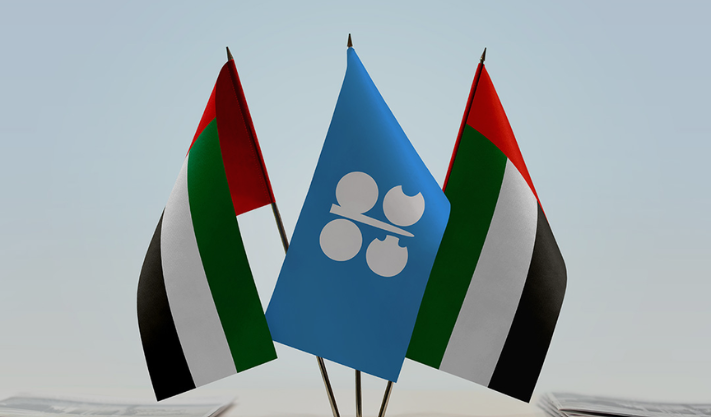
The United Arab Emirates (UAE) announced on Tuesday that it will leave OPEC and the wider OPEC+ group on May 1. This decision comes at a difficult time for global energy markets, as the ongoing Iran war has caused a major oil supply shock.
UAE decides to leave OPEC
The UAE is the world’s seventh-largest oil producer. It said leaving OPEC will give it more freedom to decide how much oil to produce. Right now, oil markets are facing serious supply problems, especially in the Arabian Gulf and the Strait of Hormuz.
The announcement was made just before an important OPEC meeting in Vienna. According to the state news agency WAM, the UAE made this decision based on its national interest and its goal to better meet global energy demand.
The UAE first joined OPEC in 1967 through Abu Dhabi. After the country was officially formed in 1971, it continued its membership in the group.
Why the UAE wants to leave
For many years, the UAE has been unhappy with OPEC’s production quota system. This system limits how much oil each member country can produce in order to control global supply and prices.
The UAE has invested billions of dollars to increase its oil production capacity through its national company, ADNOC. However, OPEC rules often stopped it from producing as much oil as it could.
Experts say the main reason for leaving is simple: the UAE wants full control over its oil policy. Without OPEC restrictions, it can increase production when needed and respond faster to market demand.
Leaving OPEC also allows the UAE to produce more oil and possibly influence global prices. Higher production could help countries like the United States by lowering prices, while countries like Russia might be negatively affected.
UAE oil production and capacity
Before the recent conflict, the UAE was producing about 3.6 million barrels of oil per day. However, production dropped to around 2.2 million barrels per day due to disruptions caused by the war.
The country’s total production capacity is about 4.85 million barrels per day, and it plans to increase this to 5 million barrels per day by 2027. Under OPEC rules, the UAE was limited to producing only 3.45 million barrels per day.
Experts believe the UAE can quickly increase its production again, possibly within a few months, since the infrastructure is already in place.
Past tensions with OPEC
The UAE has often asked OPEC to allow it to produce more oil. It argued that its large investments should give it a higher production limit.
This disagreement became serious in July 2021, when the UAE blocked an OPEC+ deal over its production baseline. The disagreement delayed an agreement for weeks and almost broke the unity of the group. In the end, a compromise was reached, giving the UAE a slightly higher limit.
Economic reasons behind the decision
Analysts say the UAE’s decision is mainly driven by business reasons, not politics. While geopolitical tensions, like the Iran war, have increased urgency, the main goal is to make sure the country’s oil investments are profitable.
By leaving OPEC+, the UAE removes restrictions that limited returns on its investments. This means ADNOC can better match its spending with actual production and profits.
However, experts say this does not mean the UAE will produce oil recklessly. Instead, it will have more flexibility to adjust production based on market conditions.
ADNOC CEO Sultan Al Jaber said the company will continue focusing on meeting global energy demand. He also highlighted plans to grow in oil, gas, chemicals, and renewable energy.
A historic oil supply shock
The UAE’s exit comes during one of the biggest supply disruptions in OPEC’s history. The Iran war has reduced OPEC’s oil production by 7.9 million barrels per day in March alone.
This caused total OPEC production to fall by 27%, reaching 20.8 million barrels per day. This is a larger drop than during the COVID-19 pandemic in 2020 and even bigger than declines seen during the 1970s oil crisis and the 1991 Gulf War.
Impact on OPEC
The UAE leaving OPEC is a major blow to the organization. Saudi Arabia, which leads the group, will now lose an important partner with strong production capacity.
Experts say the biggest impact will be on OPEC’s credibility. The group may still be able to manage oil supply in the short term, but its unity will be weaker.
Saudi Arabia will now carry more responsibility, as it is one of the few countries with spare capacity to increase production quickly. This raises concerns about whether OPEC can continue to manage global supply effectively in the future.
The UAE’s departure may also set an example for other countries. It shows that national interests can come before group agreements, especially for countries that feel restricted by quotas.
Who benefits and who loses
If the UAE increases its oil production, large oil-importing countries in Asia and Europe will benefit. More supply can help stabilize markets and reduce price volatility.
However, some OPEC members may lose out. Countries like Kuwait and Iraq depend on coordinated production limits to maintain higher prices and stable export revenues.
There could also be geopolitical effects. If increased UAE production lowers oil prices, countries like Iran could face more economic pressure, especially since their exports are already limited by sanctions and conflict.
Other producers like Russia, Nigeria, Angola, and Venezuela may not benefit much, as they face issues like sanctions, low investment, or declining production.
Countries that have left OPEC before
The UAE is not the first country to leave OPEC. Several countries have exited the group in the past for different reasons.
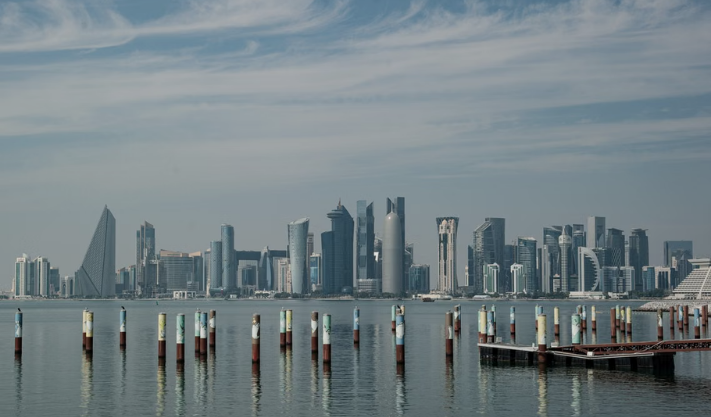
Qatar left OPEC in 2019 after 57 years. It said its focus on natural gas made OPEC membership less useful.
Indonesia has had a complicated relationship with OPEC. It joined in 1962, left in 2009 after becoming a net oil importer, rejoined in 2016, and then left again shortly after.
Ecuador joined in 1973, left in 1992, rejoined in 2007, and finally left in 2020 due to economic pressures during the COVID-19 pandemic.
Angola also left OPEC in 2024, saying membership was no longer in its national interest.
Conclusion
The UAE’s decision to leave OPEC marks an important shift in the global oil market. It reflects a growing trend where countries prioritize national economic goals over group agreements.
While the UAE gains more freedom and flexibility, OPEC faces new challenges in maintaining unity and influence. The long-term impact will depend on how other countries respond and how global oil demand and supply evolve in the coming years.
Also Read:-
Arab Billionaires: 2025 Winners and Losers
Saudi Arabia’s PIF Eyes $5B Stake in SpaceX IPO
Fiscal Discipline Drives Oman’s Resilience