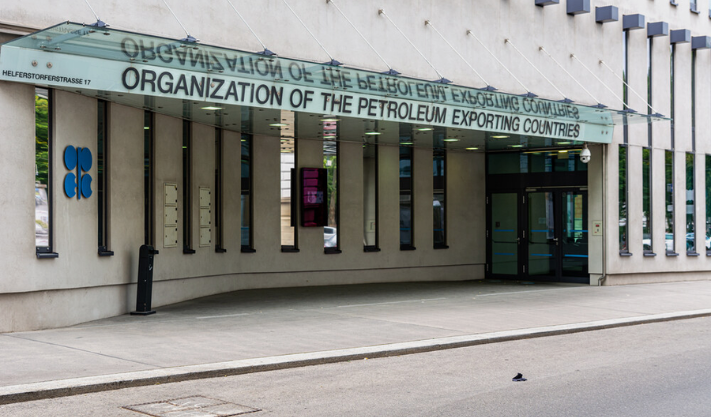
OPEC Shares New Compensation Plans from Key Members
The Organization of Petroleum Exporting Countries (OPEC) has announced that it has received updated oil production compensation plans from Iraq, the United Arab Emirates (UAE), Kazakhstan, and Oman. The announcement was made on Wednesday by the OPEC Secretariat.
These compensation plans explain how the countries will make up for producing more oil than allowed under the OPEC+ agreement in earlier months.
What Are Compensation Plans?
Compensation plans are part of OPEC+ efforts to control oil production and keep the market stable. When a country produces more oil than its agreed limit, it must later cut production to balance the extra output.
The latest plans were submitted after a virtual meeting held in late November. During that meeting, major OPEC+ members agreed to improve compliance with production rules.
These plans fall under the Declaration of Cooperation (DoC), which is the main agreement that guides cooperation between OPEC members and their allies.
Production Cuts Schedule
According to OPEC, the extra oil produced earlier has been offset since December 2025. The compensation cuts will continue until June 2026.
The four countries will reduce oil production by:
-
267,000 barrels per day (bpd) in December
-
415,000 bpd in January
-
708,000 bpd in February
-
710,000 bpd in March
-
810,000 bpd in April
-
831,000 bpd in May
-
829,000 bpd in June
These cuts are meant to fully balance the earlier overproduction.
Oil Output Remains Unchanged
At a recent virtual meeting, OPEC+ agreed to keep oil output steady. This decision was taken despite global uncertainties, including political developments in Venezuela and other international pressures.
Between April and December 2025, OPEC+ had already raised oil production by about 2.9 million barrels per day, which equals nearly 3% of global oil demand. However, in November, the group decided not to increase production further in the first three months of 2026.
Global Oil Demand Outlook
OPEC has not changed its forecast for global oil demand growth. For 2025, oil demand is expected to rise by 1.3 million bpd, and for 2026, by 1.4 million bpd.
In OECD countries (mostly developed nations), oil demand is expected to increase by:
-
100,000 bpd in 2025
-
200,000 bpd in 2026
In non-OECD countries, demand growth is expected to be much higher:
-
1.2 million bpd in 2025
-
1.2 million bpd again in 2026
Supply from Non-OPEC+ Producers
Oil production from countries outside the OPEC+ group is expected to grow by about 1 million bpd in 2025, slightly higher than earlier estimates. The main contributors to this growth are the United States, Brazil, Canada, and Argentina.
For 2026, non-OPEC+ production growth is expected to remain unchanged at 600,000 bpd.
Published: 8th January 2026
For more article like this please follow our social media Twitter, Linkedin & Instagram
Also Read:
Oman to Set Up Global Financial Center to Attract Investment
Egypt, Syria sign two deals to boost energy ties
Saudi Arabia non-oil private sector growth slows in Dec 2025