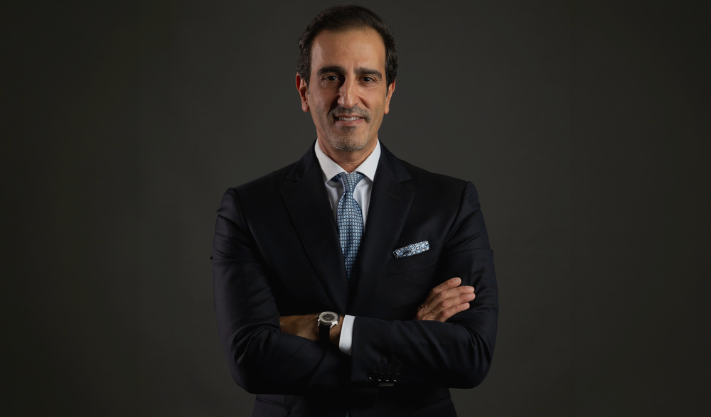
Majd Abu Zant, CEO of Global Fertility: Saudi Fertility Care
Majd Abu Zant, the CEO of Global Fertility, explains how the company is growing quickly in Saudi Arabia through its Bnoon network. This growth is happening because more people are looking for fertility care services across the country.
Infertility is becoming a bigger issue in Saudi Arabia, and it is now getting more attention in the healthcare system. There are several reasons for this rising demand. Many people are choosing to marry later in life, which can make it harder to have children. At the same time, fertility rates are falling, and some regions have a higher number of genetic health problems. All of these factors are increasing the need for better fertility care services.
However, access to these services is not equal everywhere. In many remote areas, people do not have nearby fertility clinics. Patients often have to travel long distances to get treatment. This can be difficult both emotionally and financially. The stress of travel, combined with the already sensitive nature of fertility issues, makes the situation even harder for couples.
Cost is another major problem. Fertility treatments, such as IVF, can be very expensive. Many couples simply cannot afford these treatments, which means they are unable to get the help they need. This creates a gap between demand and access, where many people want treatment but cannot receive it.
This gap is also creating new opportunities for investment in the healthcare sector. Global Fertility is one of the companies stepping in to address this need. Through its Saudi-based network called Bnoon, the company is working to expand access to fertility care while also improving the quality of treatment.
Bnoon is building a strong presence across Saudi Arabia. It already operates in major cities like Riyadh, Jeddah, and Al Ahsa. Each year, the network performs more than 5,000 IVF procedures, making it the largest independent provider of IVF services in the country. This large scale allows the company to reach more patients and deliver consistent care.
The company is also planning to open new centers in areas that have not had many specialized fertility services in the past. Cities like Medina and Abha are part of this expansion plan. In addition, a new advanced fertility center will soon open in Riyadh. This center will be one of the most modern in the region.
The new Riyadh facility will cover nearly 4,000 square meters. It is designed to set a new standard for fertility care and reproductive genetics. The center will use advanced technologies such as robotics, artificial intelligence, and other next-generation tools. These technologies can help improve success rates and provide better outcomes for patients.
One of the key strengths of the Bnoon network is its integrated model. Instead of operating as separate clinics, Bnoon connects different services under one system. This includes assisted reproductive technologies, genetic testing, embryology, and both women’s and men’s health services. All these services work together in a coordinated way.
This integrated approach allows for better efficiency and higher quality care. The network uses shared medical protocols and centralized laboratories, which helps maintain consistency across all locations. Patients benefit from a more complete and streamlined treatment experience.
Global Fertility has already invested more than $50 million to expand the Bnoon network across Saudi Arabia. The company is growing in different ways. It is opening new centers from scratch, acquiring existing clinics, and expanding its current facilities. This strategy is helping the company build a strong and scalable business model.
Saudi Arabia is becoming an important market for healthcare investment and innovation. The country is making changes to its healthcare system to encourage private sector participation. These reforms are opening the door for companies like Global Fertility to play a bigger role in providing services.
There are also discussions about improving insurance coverage for fertility treatments. In the future, the government may introduce funding programs or support systems to make these services more affordable. If this happens, it could significantly increase the number of people seeking treatment, especially among Saudi nationals.
For investors, this sector offers strong growth potential. There is already high demand for fertility services, and this demand is expected to grow even more. At the same time, improvements in regulation and the use of advanced technology are making the market more attractive.
The success of the Bnoon network shows how fertility care is changing in the region. In the past, it was seen as a specialized or niche service. Today, it is becoming a more important and organized part of the healthcare system. It is also becoming a sector that attracts serious investment.
For Global Fertility and Bnoon, these changes create a strong opportunity. The company is well-positioned to take advantage of the growing demand and evolving healthcare environment. By expanding its network, investing in technology, and improving access, it aims to play a leading role in the future of fertility care in Saudi Arabia.
In summary, fertility care in Saudi Arabia is going through a major transformation. Rising demand, limited access, and high costs are creating challenges, but they are also opening doors for innovation and investment. Companies like Global Fertility are stepping in to meet these needs, helping to shape a more accessible and advanced healthcare system for the future.
Also Read:-
Ajlan Alajlan Reshapes Strategy Beyond Oil Economy
Top 10 Most Beautiful Arab Women in the World (2026)
Meet Saudi Arabia’s Youngest Billionaire Dominating Real Estate