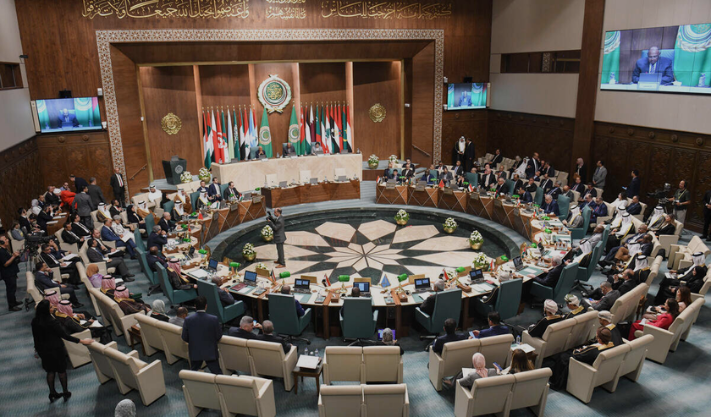
The Arab League starts a new electricity-sharing agreement to improve stable power supplies for its member countries
The Arab League announced on Monday a new electricity market agreement, making it easier for Gulf Cooperation Council (GCC) countries and other nations in the Middle East and North Africa (MENA) region to trade electricity.
Arab Common Electricity Market
The Arab Common Electricity Market aims to make electricity supply more stable, lower costs, and use energy more efficiently, according to the UAE’s Emirates News Agency (WAM).
At the 15th session of the Arab Ministerial Council for Electricity, the organization said the market also focuses on promoting renewable energy investments, positioning Arab countries as leading exporters of clean energy, and supporting national energy plans by encouraging development projects.
During the meeting, which included energy ministers and representatives from 22 Arab countries, the Arab League signed a “general agreement” outlining the market’s goals and plans for its growth.
The agreement was signed by the UAE, Kuwait, Palestine, Syria, Egypt, Saudi Arabia, Qatar, Libya, Sudan, Yemen, Morocco, and Jordan.
Power Connection Projects
According to Egypt’s State Information Service (SIS), two electricity agreements aim to create a shared Arab electricity market and connect Arab countries’ power grids, marking a major regional cooperation effort.
Egypt’s Electricity and Renewable Energy Minister, Mahmoud Esmat, emphasized the importance of completing these joint projects to launch the Arab Integrated Electricity Market.
One key project is a power connection between Egypt and Saudi Arabia, led by the Saudi Electricity Company. It is expected to start operating by next summer, allowing the exchange of 3,000 megawatts of electricity between the two countries.
Linking power grids across countries can help prevent widespread blackouts. If one area experiences a power failure, electricity can be drawn from another.
Currently, aging infrastructure, fuel shortages, and high summer demand have caused serious power cuts in MENA countries like Lebanon, Egypt, Kuwait, and Iraq.
Published: 3rd December 2024
For more article like this please follow our social media Twitter, Linkedin & Instagram
Also Read:
High Life in the Emirates: The Allure of Luxury Living
United Bank of Egypt sets IPO price at $0.28 to raise $92M
Mashreq Bank, Emirates NBD invest in NewBridge Fintech