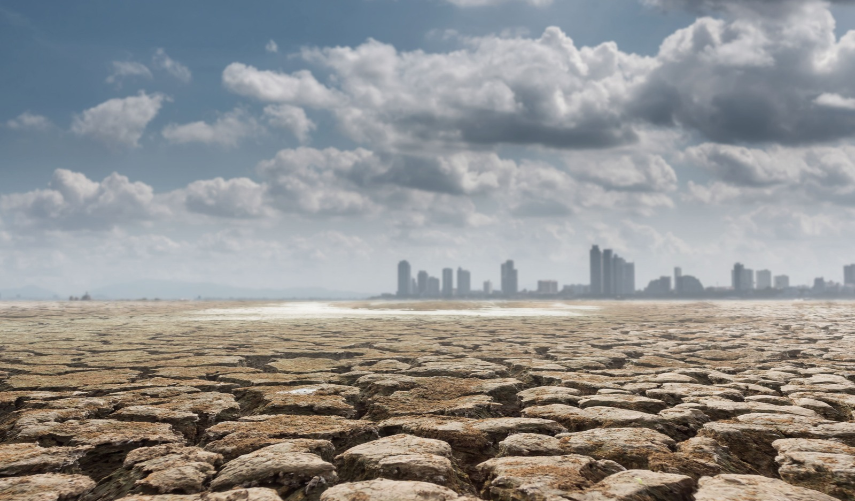
Climate change is becoming one of the most important environmental challenges facing the United Arab Emirates (UAE). Rising temperatures, changing rainfall patterns, increasing sea levels, and more frequent extreme weather events are transforming the country’s natural environment. From the Arabian desert and mountain ecosystems to mangrove forests, coral reefs, and coastal wetlands, climate change is affecting wildlife and nature across the Emirates.
The UAE is home to a remarkable variety of wildlife, including Arabian oryx, sand gazelles, Arabian leopards, flamingos, sea turtles, dugongs, dolphins, and hundreds of bird species. These animals depend on specific environmental conditions to survive. However, increasing temperatures, habitat changes, water shortages, and marine ecosystem disturbances are creating new challenges for many species.
Although the UAE has introduced several environmental protection initiatives, including wildlife conservation programmes, protected natural areas, mangrove restoration, and clean energy projects, climate change remains a long-term concern.
Understanding how climate change affects wildlife and nature in the UAE is essential for protecting biodiversity, maintaining ecological balance, and supporting sustainable development.
This article explores the major environmental changes taking place across the UAE, their effects on wildlife, and the conservation strategies that can help protect the country’s natural heritage.
What Is Climate Change, and Why Is It a Concern for the UAE?
Climate change refers to long-term changes in temperature, rainfall, weather patterns, and other environmental conditions. These changes can occur naturally, but human activities such as burning fossil fuels, industrial development, transportation, and deforestation are accelerating global warming.
The UAE is particularly vulnerable to climate change because of its hot desert climate, limited freshwater resources, extensive coastline, and sensitive marine ecosystems.
Temperatures in the region are already naturally high during summer. However, rising global temperatures can make heatwaves more intense and increase the pressure on wildlife, vegetation, and natural water resources.
Climate change is a concern for the UAE for several important reasons:
-
Rising temperatures: Higher temperatures increase heat stress for animals and plants.
-
Water scarcity: Changing rainfall patterns can reduce the availability of freshwater.
-
Sea-level rise: Coastal habitats, mangroves, and nesting beaches face additional pressure.
-
Marine warming: Higher ocean temperatures threaten coral reefs and other marine species.
-
Habitat disruption: Changes in environmental conditions can affect breeding, migration, and feeding patterns.
These challenges are interconnected. Damage to one ecosystem can affect other species and disrupt the natural balance of the environment.
How Is Rising Temperature Affecting Wildlife in the UAE?
Rising temperatures are among the most significant climate-related threats to wildlife in the UAE. Many desert animals have evolved to survive extreme heat, but their ability to tolerate higher temperatures has natural limits.
During particularly hot periods, animals may become less active during daylight hours and spend more time hiding in shaded areas or underground shelters. This behaviour helps reduce exposure to direct sunlight and conserve energy.
However, prolonged extreme heat can affect their ability to find food, locate water, reproduce, and protect themselves from predators.
For example, desert mammals such as Arabian oryx and sand gazelles rely on behavioural and physiological adaptations to survive dry conditions. Increasing heat can place additional pressure on these survival mechanisms.
Birds and reptiles are also vulnerable. High temperatures can affect nesting success, egg development, and the availability of insects and other food sources.
Young animals are often particularly sensitive because they may have less developed temperature-regulation abilities.
Why does rising heat matter for biodiversity?
When temperatures become unsuitable for certain species, animals may move to cooler habitats, change their activity patterns, or experience declining populations. Over time, these changes can alter the composition of local ecosystems.
Which UAE Wildlife Species Are Most Vulnerable to Climate Change?
Several wildlife species in the UAE may face increased environmental pressure as temperatures rise and habitats change.
Arabian Oryx
The Arabian oryx is one of the UAE’s most recognised conservation success stories. It is adapted to desert conditions and can survive with limited access to water by obtaining moisture from vegetation.
Nevertheless, rising temperatures and changing vegetation patterns may reduce the availability of suitable feeding areas and increase heat stress.
Arabian Sand Gazelle
Sand gazelles depend on desert vegetation for food and moisture. Reduced rainfall and prolonged drought can affect plant growth, making it more difficult for these animals to find sufficient nourishment.
Sea Turtles
Sea turtles, including hawksbill turtles found in UAE waters, depend on healthy marine environments and suitable sandy beaches for nesting.
Higher sand temperatures can influence the sex of developing turtle hatchlings. Warmer nesting conditions generally produce more female hatchlings, potentially affecting future population balance.
Dugongs
Dugongs depend heavily on seagrass meadows for food. These marine habitats can be affected by rising seawater temperatures, coastal development, pollution, and changing water conditions.
Damage to seagrass ecosystems can reduce food availability for dugongs and other marine species.
Flamingos and Migratory Birds
Wetlands in the UAE provide important feeding and resting locations for migratory birds. Changes in water availability, wetland conditions, and food supplies may affect migration patterns and habitat suitability.
Protecting these species requires conserving the ecosystems on which they depend.
How Is Climate Change Affecting the UAE’s Desert Ecosystem?
The desert ecosystem covers a large part of the UAE and supports plants, reptiles, insects, mammals, and birds that have adapted to dry conditions.
Desert vegetation, including native grasses, shrubs, and Ghaf trees, plays an important role in maintaining ecological balance. These plants provide food, shelter, and breeding environments for different species.
However, increasing temperatures and unpredictable rainfall can make desert ecosystems more vulnerable.
Major effects of climate change on desert environments include:
-
Reduced vegetation growth: Less predictable rainfall can limit the growth of native plants.
-
Desertification pressure: Extended dry periods can contribute to soil degradation and reduce vegetation cover.
-
Food shortages: Herbivores may struggle to find enough natural vegetation.
-
Changing animal behaviour: Wildlife may become more active at night to avoid extreme daytime temperatures.
-
Habitat degradation: Changes in soil moisture and vegetation can affect insects, reptiles, and small mammals.
Why Are Ghaf Trees Important for UAE Wildlife?
The Ghaf tree is one of the UAE’s most important native desert trees. It can survive challenging environmental conditions and provides shade, food, and shelter for wildlife.
Its roots help stabilise soil, while its branches offer protection for birds and other animals.
Rising temperatures and prolonged drought can affect young trees and natural regeneration. Protecting Ghaf trees through conservation programmes and responsible land management is therefore important for maintaining desert biodiversity.
How Is Climate Change Affecting Marine Life in the UAE?
Climate change is placing increasing pressure on marine ecosystems along the UAE’s coastlines. Rising seawater temperatures, ocean acidification, and changing marine conditions can affect fish, coral reefs, seagrass meadows, sea turtles, and marine mammals.
The Arabian Gulf is a particularly challenging marine environment because it naturally experiences high temperatures and varying salinity levels. Additional warming can increase environmental stress on species already adapted to demanding conditions.
How Does Ocean Warming Affect Coral Reefs?
Coral reefs are among the most sensitive marine ecosystems to temperature changes. When seawater becomes unusually warm for extended periods, corals can experience heat stress and expel the microscopic algae that provide much of their energy.
This process is known as coral bleaching.
Bleached corals are not necessarily dead, but prolonged heat stress can weaken them and increase the risk of mortality.
Coral reefs are important because they:
-
Provide shelter for fish and marine organisms.
-
Support underwater biodiversity.
-
Contribute to healthy marine food chains.
-
Help protect coastlines from wave energy.
-
Support marine tourism and local fishing activities.
If coral reefs become damaged, the effects can spread throughout the marine ecosystem. Fish may lose breeding and feeding habitats, while other marine animals can experience reduced food availability.
How Does Ocean Acidification Affect Marine Wildlife?
Ocean acidification occurs when seawater absorbs carbon dioxide from the atmosphere, changing its chemical composition and reducing its pH.
This process can make it more difficult for certain marine organisms to build and maintain calcium carbonate shells and skeletons.
Corals, shellfish, and some plankton species may be affected. Because these organisms are important parts of marine food webs, changes in their populations can influence larger marine animals.
What Is Happening to Mangrove Forests in the UAE?
Mangrove forests are among the UAE’s most valuable coastal ecosystems. They are found in areas such as Abu Dhabi, Dubai, and Khor Kalba in Sharjah.
These coastal forests provide important habitats for fish, crabs, birds, and other marine organisms. They also help protect coastlines from erosion and store carbon.
However, climate change can create several challenges for mangrove ecosystems.
How does climate change affect mangroves?
-
Rising sea levels can change the areas where mangroves grow.
-
Increasing temperatures can affect seedling development and survival.
-
Changes in rainfall and freshwater availability can influence soil salinity.
-
Stronger coastal disturbances can damage vulnerable mangrove areas.
-
Coastal development can reduce the natural space available for forest expansion.
Mangroves also provide an important climate solution. They absorb and store carbon in their trees, roots, and surrounding soils. This stored carbon is commonly called blue carbon.
The UAE is expanding its mangrove conservation efforts, with a national target of planting 100 million mangrove trees by 2030.
How Is Rising Sea Level Affecting Coastal Ecosystems in the UAE?
The UAE has an extensive coastline along the Arabian Gulf and the Gulf of Oman. These coastal areas support beaches, mangroves, salt marshes, seagrass meadows, islands, and wetlands.
Rising sea levels can create additional pressure on these natural environments.
Low-lying coastal areas are particularly vulnerable because even relatively small changes in sea level can influence flooding, erosion, and saltwater intrusion.
Some major environmental consequences include:
-
Coastal erosion and changes in shoreline conditions.
-
Loss or degradation of important wildlife habitats.
-
Increased saltwater intrusion into coastal freshwater resources.
-
Changes in nesting beaches used by sea turtles.
-
Greater pressure on coastal vegetation and wetlands.
Sea-level rise can also affect coastal infrastructure and communities. Protecting natural coastal habitats is therefore important for both biodiversity and human development.
Why Are UAE Wetlands Important for Wildlife Conservation?
Wetlands are essential ecosystems because they provide food, shelter, breeding grounds, and resting locations for many wildlife species.
The UAE has several internationally important wetlands, including Ras Al Khor Wildlife Sanctuary in Dubai, Al Wathba Wetland Reserve in Abu Dhabi, and Khor Kalba in Sharjah.
These environments support flamingos, migratory birds, fish, insects, and other wildlife.
Climate change can affect wetlands through changes in rainfall, evaporation, temperature, and water availability.
When wetlands become smaller or their water conditions change, birds may have fewer opportunities to find food and suitable nesting areas.
For migratory birds, the problem can extend beyond the UAE. Changes in one important resting location may affect migration journeys across several countries.
Protecting wetlands, maintaining water quality, and preserving natural vegetation can help strengthen these ecosystems against climate-related pressures.
How Is Climate Change Affecting Sea Turtles in the UAE?
Sea turtles are an important part of the UAE’s marine biodiversity. Green turtles and hawksbill turtles are among the species associated with its coastal waters.
These animals depend on healthy marine habitats, particularly seagrass beds, coral reefs, and suitable nesting beaches.
One of the most significant climate-related concerns is increasing sand temperature.
Sea turtles have temperature-dependent sex determination, meaning the temperature of their eggs during incubation influences whether hatchlings develop as male or female.
Warmer nesting conditions generally produce a higher proportion of female hatchlings. If this imbalance becomes extreme over multiple generations, it could create reproductive challenges for future populations.
Climate change may also affect sea turtles through:
-
Changes in beach conditions caused by coastal erosion.
-
Higher risks of flooding in nesting areas.
-
Changes in the availability of seagrass and other food sources.
-
Increasing temperatures in marine habitats.
-
Disturbances to nesting and migration patterns.
Protecting nesting beaches, reducing artificial lighting, and monitoring nesting temperatures are important conservation measures.
How Are Climate Change and Water Scarcity Connected in the UAE?
Water scarcity is one of the UAE’s most significant environmental challenges. The country has a naturally dry climate and limited renewable freshwater resources.
Climate change can increase water stress by raising evaporation rates and changing rainfall patterns.
Higher temperatures also increase the amount of water needed by plants, wildlife, agriculture, and human communities.
For natural ecosystems, reduced water availability can affect:
-
Desert vegetation and native trees.
-
Wetlands and freshwater habitats.
-
Wildlife feeding and breeding areas.
-
Soil moisture and plant regeneration.
-
Agricultural landscapes that support certain bird and animal species.
The impact can be particularly serious during prolonged dry periods.
Although desalination provides an important source of water for the UAE, responsible water management remains essential. Efficient irrigation, wastewater reuse, groundwater protection, and ecosystem restoration can help reduce pressure on natural resources.
Are Extreme Weather Events Affecting Nature in the UAE?
Yes. Extreme weather events can create additional environmental challenges for wildlife and natural habitats.
The UAE can experience intense rainfall, flash flooding, dust storms, and periods of extreme heat. Climate change can influence the intensity and frequency of certain weather extremes, although individual events cannot automatically be attributed to global warming.
Flash floods can damage vegetation, disturb animal shelters, and change the structure of desert landscapes. In mountainous regions, heavy rainfall can also affect wadis and surrounding habitats.
Dust storms can reduce air quality and deposit dust on vegetation, potentially affecting plant growth and wildlife habitats.
Extreme heat can also increase the risk of dehydration and heat stress among animals.
Natural ecosystems need sufficient time to recover from disturbances. When extreme weather combines with habitat loss, pollution, or human development, recovery can become more difficult.
How Is Climate Change Affecting the UAE’s Mountain Ecosystems?
The Hajar Mountains in the eastern UAE contain unique ecosystems that support native plants, birds, reptiles, and mammals.
Mountain environments are different from desert landscapes because elevation, rainfall, rocky terrain, and seasonal water availability create specialised habitats.
Climate change can affect these ecosystems through rising temperatures, changing rainfall patterns, and increasing periods of drought.
Wadi Wurayah National Park in Fujairah is an important example of a protected mountain environment. Its natural pools, waterfalls, rocky landscapes, and surrounding vegetation provide valuable habitats for wildlife.
Potential climate-related threats include:
-
Reduced water availability in natural pools and streams.
-
Changes in vegetation and native plant distribution.
-
Greater pressure on mountain wildlife during dry periods.
-
Disruption of breeding and feeding habitats.
-
Changes in the availability of freshwater resources.
Conserving mountain ecosystems is essential because they support biodiversity and provide important natural resources for the surrounding environment.
Can Climate Change Increase the Risk of Biodiversity Loss in the UAE?
Yes. Climate change can increase biodiversity loss by affecting the survival, reproduction, and distribution of different plant and animal species.
Biodiversity refers to the variety of living organisms, including plants, animals, microorganisms, and the ecosystems in which they exist.
The UAE has diverse natural environments despite its predominantly desert landscape. Its ecosystems include mountains, mangroves, wetlands, coral reefs, coastal habitats, and extensive desert areas.
When environmental conditions change faster than species can adapt, populations may decline.
For example, if rising temperatures damage coral reefs, marine animals that depend on them may lose important habitats. Similarly, if prolonged drought reduces desert vegetation, herbivores may struggle to find enough food.
Biodiversity loss can also affect ecosystem services such as pollination, natural coastal protection, soil stability, and carbon storage.
What Is the UAE Government Doing to Protect Wildlife from Climate Change?
The UAE government is implementing environmental policies, conservation programmes, and climate adaptation strategies to protect natural resources and biodiversity.
These initiatives focus on reducing environmental risks, restoring ecosystems, protecting endangered species, and encouraging sustainable development.
Some important conservation efforts include:
National Climate Change Plan
The UAE National Climate Change Plan 2017–2050 provides a framework for managing greenhouse gas emissions, strengthening climate resilience, and supporting a sustainable green economy.
It also recognises the importance of protecting ecosystems from climate-related risks.
Protected Natural Areas
The UAE has established protected areas to conserve important terrestrial and marine habitats.
These locations provide safer environments for wildlife and support biodiversity research, ecosystem monitoring, and habitat restoration.
Mangrove Restoration Programmes
Mangrove restoration is an important part of the UAE’s environmental strategy.
The country’s target of planting 100 million mangrove trees by 2030 demonstrates its commitment to nature-based climate solutions and coastal conservation.
Marine Conservation
Marine conservation programmes focus on protecting coral reefs, seagrass meadows, marine mammals, and sea turtles.
These initiatives help maintain healthy marine ecosystems and protect important breeding and feeding grounds.
Climate Adaptation Planning
Environmental authorities are developing long-term adaptation strategies to protect natural resources, coastal ecosystems, and biodiversity from climate-related impacts.
How Can Technology Help Protect UAE Wildlife from Climate Change?
Technology is becoming an important tool for environmental protection and wildlife conservation.
Modern monitoring systems can help researchers understand how climate change affects natural habitats and identify environmental threats before they become more serious.
Some important technologies include:
-
Satellite monitoring: Helps track changes in vegetation, coastal environments, and desert landscapes.
-
Artificial intelligence: Supports the analysis of environmental data and identification of changes in wildlife habitats.
-
Wildlife tracking devices: Help researchers study animal movements, migration, and behaviour.
-
Drones: Can monitor mangrove forests, nesting beaches, and remote conservation areas.
-
Environmental sensors: Measure water temperature, salinity, humidity, and other environmental conditions.
These technologies can improve conservation planning and help environmental organisations make decisions based on scientific evidence.
What Can Residents Do to Protect Wildlife and Nature in the UAE?
Protecting wildlife is not only the responsibility of governments and environmental organisations. Residents, businesses, schools, and visitors can also contribute to environmental conservation.
Small actions can collectively make a meaningful difference.
Here are some practical ways people can help:
-
Reduce unnecessary electricity and water consumption.
-
Avoid littering in deserts, beaches, and protected natural areas.
-
Use reusable bags, bottles, and containers.
-
Participate in approved tree-planting and mangrove restoration activities.
-
Avoid disturbing nesting sea turtles and other wildlife.
-
Follow responsible tourism guidelines when visiting nature reserves.
-
Reduce plastic waste that can enter marine ecosystems.
-
Support organisations working on wildlife conservation.
-
Choose environmentally responsible products and services.
-
Encourage environmental education in schools and communities.
Responsible behaviour can help protect fragile habitats and reduce the pressure on natural resources.
What Is the Future of Wildlife and Nature in the UAE?
The future of wildlife and nature in the UAE will depend on how effectively the country addresses climate change, protects biodiversity, and manages natural resources.
The challenges are significant, but there are also opportunities to strengthen environmental resilience.
Investment in renewable energy, sustainable urban planning, mangrove restoration, protected areas, and scientific research can help reduce climate-related risks.
Nature-based solutions will also play an important role. Mangroves, seagrass meadows, wetlands, and native desert vegetation can support biodiversity while helping communities adapt to environmental changes.
Collaboration between government authorities, researchers, environmental organisations, private businesses, and local communities will be essential.
The UAE’s environmental future should not be measured only through economic development and infrastructure growth. Protecting its natural heritage, wildlife populations, and ecological balance is equally important.
By combining scientific research, environmental awareness, and long-term conservation planning, the country can work towards a healthier and more climate-resilient environment.
Frequently Asked Questions (FAQs)
How is climate change affecting wildlife in the UAE?
Climate change affects UAE wildlife through rising temperatures, water scarcity, habitat degradation, and changes in food availability. These conditions can influence animal behaviour, reproduction, migration, and survival.
Which animals in the UAE are threatened by climate change?
Arabian oryx, sand gazelles, sea turtles, dugongs, flamingos, and other wildlife may experience climate-related pressures. The level of risk varies by species and habitat.
Why is the UAE vulnerable to climate change?
The UAE is vulnerable because of its hot desert climate, limited freshwater resources, extensive low-lying coastlines, and sensitive marine ecosystems.
How does global warming affect coral reefs in the UAE?
Global warming increases seawater temperatures, which can cause coral bleaching. Prolonged heat stress can weaken corals and damage the marine habitats that support fish and other organisms.
Are mangrove forests important for climate change protection?
Yes. Mangrove forests absorb and store carbon, protect coastlines from erosion, support marine biodiversity, and provide breeding and feeding habitats for wildlife.
How does climate change affect sea turtles in the UAE?
Higher temperatures can influence the sex of sea turtle hatchlings because their sex is determined partly by incubation temperature. Rising sea levels and coastal erosion can also threaten nesting beaches.
Does climate change affect desert plants in the UAE?
Yes. Higher temperatures, prolonged drought, and changing rainfall patterns can reduce vegetation growth and affect native plants such as Ghaf trees and desert shrubs.
What are the biggest environmental challenges facing the UAE?
Major challenges include rising temperatures, water scarcity, coastal erosion, marine ecosystem degradation, biodiversity loss, habitat destruction, and increasing pressure on natural resources.
What is the UAE doing to protect its biodiversity?
The UAE is investing in protected natural areas, wildlife conservation, mangrove restoration, marine habitat protection, environmental research, and climate adaptation programmes.
Can planting mangrove trees help reduce climate change?
Mangrove trees absorb carbon dioxide and store carbon in their biomass and surrounding soils. They also protect coastlines, support marine wildlife, and improve ecosystem resilience.
How can individuals help protect the UAE’s environment?
Individuals can conserve water and energy, reduce plastic consumption, avoid disturbing wildlife, participate in conservation activities, and follow responsible tourism practices.
Will climate change affect tourism and natural attractions in the UAE?
Yes. Climate-related changes to coral reefs, beaches, wetlands, and wildlife habitats may affect nature-based tourism and outdoor recreational activities. Protecting these environments can support sustainable tourism in the long term.
Conclusion: Protecting the UAE’s Natural Heritage in a Changing Climate
Climate change is creating significant challenges for wildlife and nature in the UAE. Rising temperatures, changing rainfall patterns, ocean warming, sea-level rise, and water scarcity are placing additional pressure on the country’s unique ecosystems.
From Arabian oryx living in desert landscapes to dugongs feeding in seagrass meadows, every species depends on a healthy natural environment. Damage to one habitat can create wider consequences for biodiversity and ecological balance.
However, the UAE has opportunities to strengthen its environmental resilience through mangrove restoration, wildlife protection, marine conservation, renewable energy, and sustainable resource management.
Long-term environmental protection requires cooperation between governments, businesses, researchers, residents, and conservation organisations.
Also Read:-
Mohamed Alabbar: The Visionary Behind Emaar Properties
Explore 20 Beautiful Deserts Across the Middle East
Discover 10 Rare and Endangered Animals Found in Oman