Introduction: What Are the Most Beautiful Deserts in the Middle East?
The Middle East boasts some of the most magnificent desert landscapes on Earth. The region has an incredible range of natural scenery, from endless golden dunes and stunning sandstone cliffs to volcanic plains, steep valleys and salt-covered basins. These deserts are not just empty stretches of sand. They have unique ecosystems, geological formations, ancient landscapes and cultural legacies developed over thousands of years.
Which are the most beautiful deserts in the Middle East? Some of the most amazing places to visit include the Rub’ al Khali, the desert landscapes of AlUla, the Dubai Desert Conservation Reserve, Wadi Rum, the Dasht-e Kavir, the Dasht-e Lut and the Wahiba Sands. Every area has its own visual identity, from towering dunes and red sandstone formations to wide salt flats and rugged mountain vistas.
Desert environments are also important for biodiversity, history, tourism and traditional livelihoods. They support specially adapted plants and animals, preserve archaeological sites and attract tourists interested in photography, adventure, astronomy and ecology.
In this guide, we explore 20 stunning deserts and desert areas in the Middle East. We describe where they are located, what makes them beautiful and why they are worth visiting.
20 of the Most Beautiful Deserts in the Middle East
1. Rub’ al Khali – Saudi Arabia, Oman, UAE and Yemen
The Rub’ al Khali is one of the largest uninterrupted sand deserts in the world. Known as the Empty Quarter, it spans parts of Saudi Arabia, Oman, the United Arab Emirates and Yemen.
Its beautiful terrain is characterised by enormous sand dunes, deep valleys and seemingly endless horizons. Some dunes rise hundreds of metres above the surrounding ground and display remarkable patterns shaped by the wind.
What Makes Rub’ al Khali Beautiful?
It is one of the most spectacular desert landscapes on Earth because of its enormous size, golden sand patterns and extraordinary tranquillity. The desert also contains specially adapted animals, including reptiles, insects and mammals that can tolerate extreme environmental conditions.
2. The Nafud Desert – Saudi Arabia
The An Nafud Desert is known for its vast desert landscapes and reddish-orange sand dunes. It is one of Saudi Arabia’s major sandy desert areas in the northern part of the country.
The environment is dotted with crescent-shaped dunes, broad sandy plains and rocky surroundings. Its colours are particularly beautiful at sunrise and sunset, when the changing light creates different shades across the sand.
What Makes the An Nafud Desert Worth Visiting?
It offers an authentic Arabian desert experience, complete with majestic sand dunes and a strong connection to the region’s historic transport routes and heritage. Its surroundings also contain important archaeological and historical sites.
3. Ad-Dahna Desert – Saudi Arabia
Ad-Dahna is a long, narrow sandy desert connecting the An Nafud region in the north with the Rub’ al Khali in the south. It is an important feature of Saudi Arabia’s desert geography.
Its scenery is characterised by reddish sand dunes, broad sandy corridors and relatively flat sections. The desert forms a natural connection between two of the largest sandy regions of the Arabian Peninsula.
What Is Unique About the Ad-Dahna Desert?
Its flowing dune formations and distinctive geographical position make it particularly interesting. The desert demonstrates how different sandy landscapes connect to form the greater Arabian Desert system.
4. AlUla Desert – Saudi Arabia
AlUla is one of Saudi Arabia’s most visually impressive desert destinations. Located in the northwest of the country, it features sandstone mountains, remarkable rock formations, ancient valleys and expansive sandy plains.
One of its best-known natural attractions is Elephant Rock, a sandstone formation shaped by wind and weathering over thousands of years. The surrounding desert terrain contains unusual rock formations, narrow passages and open valleys.
Why Is AlUla One of the Most Beautiful Desert Destinations?
AlUla is unique because it combines geological beauty with historical heritage. Visitors can explore natural rock formations and learn about ancient communities and the area’s archaeological importance, particularly the nearby heritage landscape of Hegra.
5. Liwa Desert – United Arab Emirates
The Liwa Desert is located in the southern region of Abu Dhabi and forms part of the northern edge of the Rub’ al Khali. It is famous for its vast sandy expanses, enormous dunes and traditional oasis villages.
It is home to one of the UAE’s best-known dunes, Moreeb Dune. Its impressive height and steep slopes make it a popular destination for desert activities and photography.
What Is Remarkable About the Liwa Desert?
Liwa combines stunning natural scenery with the history of traditional oasis communities. Its date palm plantations, historic settlements and enormous sand formations create a distinctive picture of life in the Arabian Desert.
6. Dubai Desert Conservation Reserve – United Arab Emirates
The Dubai Desert Conservation Reserve is a protected natural region located southeast of Dubai. It protects an important part of the region’s desert ecosystem and provides a significant habitat for native wildlife.
Its scenery consists of sand dunes, desert vegetation and open sandy plains. The reserve is particularly recognised for its conservation efforts involving Arabian oryx, gazelles and other desert wildlife.
Why Is This Desert a Must-Visit for Nature Lovers?
Unlike destinations mainly famous for enormous sand dunes, this reserve offers opportunities to understand desert biodiversity and wildlife protection. Its protected environment highlights the importance of preserving vulnerable ecosystems amid growing tourism and development.
7. Wahiba Sands – Oman
The Wahiba Sands, also known as the Sharqiya Sands, is one of the most prominent desert attractions in Oman. It features rolling dunes, broad sandy valleys and brilliant shades of orange, red and gold.
The wind constantly moves sand across the terrain, changing the patterns and shapes of the dunes. Traditional Bedouin communities also have a strong cultural connection with the area, alongside its desert vegetation and wildlife.
What Makes Wahiba Sands Beautiful?
Its vibrant dunes, peaceful landscapes and rich cultural heritage combine to make it a remarkable travel destination. Visitors can experience desert camping, photography and guided tours across the sand.
8. Wadi Rum – Jordan
Wadi Rum is one of the most famous desert landscapes in the Middle East. Located in southern Jordan, it is renowned for its red sand, towering sandstone mountains, natural arches and impressive rock formations.
The area is sometimes known as the Valley of the Moon because of its remarkable geological features. Its mountains rise above the wide desert landscape, creating scenery that feels almost otherworldly.
Why Is Wadi Rum Famous Around the World?
Wadi Rum is internationally recognised for its natural beauty, archaeological remains and traditional Bedouin heritage. The Wadi Rum Protected Area is also a UNESCO World Heritage Site.
9. Syrian Desert – Syria, Jordan, Iraq and Saudi Arabia
The Syrian Desert, also known as the Badia, is an enormous dry region covering portions of Syria, Jordan, Iraq and northern Saudi Arabia.
Much of the Syrian Desert consists of rocky plains, gravel surfaces, dry valleys and scattered sandy areas, unlike deserts dominated by enormous sand dunes. Its wide-open landscapes create a remarkable sense of scale and isolation.
Why Is the Syrian Desert Different from Other Middle Eastern Deserts?
The combination of rocky and sandy terrain gives it a different appearance from the vast dune landscapes of the Arabian Peninsula. The region also has a long history of pastoral life, ancient settlements and traditional desert routes.
10. Negev Desert – Israel
Much of southern Israel is covered by the Negev Desert, which features a remarkable variety of geological formations. Its landscape includes steep mountains, dry riverbeds, sandstone formations and the enormous Ramon Crater, also known as Makhtesh Ramon.
This crater is not the result of a meteorite impact. Instead, it is a natural erosion structure. Its multicoloured geological layers and dramatic scale make it one of the region’s most remarkable natural attractions.
Why Should You Explore the Negev Desert?
The Negev is famous for its unusual geological structures, desert wildlife and beautiful night skies. It also contains historic settlements and landscapes associated with centuries of human activity.
11. Judean Desert – Israel and the West Bank
The Judean Desert is a rugged desert region east of the Judean Hills, stretching towards the Dead Sea. It is recognised for its steep cliffs, rocky slopes, deep valleys and striking dry landscapes.
Its topography alternates between elevated rocky areas and the low-lying terrain around the Dead Sea. The region also contains notable historical and archaeological sites.
What Is Visually Distinctive About the Judean Desert?
Its natural scenery combines dramatic cliffs, deep ravines and broad desert plateaus. The barren mountains and the surrounding Dead Sea environment make the area exceptionally distinctive.
12. Sinai Desert – Egypt
The Sinai Desert occupies a large part of Egypt’s Sinai Peninsula. It features rugged mountains, rocky valleys, sandy plains and remarkable geological formations.
Mount Sinai and its surrounding mountain scenery are particularly important because of their natural, cultural and religious history. The desert landscape also contains narrow wadis and steep granite peaks.
Why Is the Sinai Desert Important?
It combines impressive mountain scenery with significant historical and cultural landmarks. Its landscapes attract visitors interested in hiking, nature, photography and heritage tourism.
13. White Desert – Egypt
The White Desert is a popular tourist destination in Egypt’s Western Desert near the Farafra Oasis. It is famous for its unusual white chalk formations, which have been sculpted by wind erosion into mushroom-like, animal-like and other natural shapes.
The pale formations contrast with the surrounding sandy terrain to produce a spectacular landscape, particularly under a clear blue sky or moonlight.
What Makes Egypt’s White Desert So Beautiful?
Unlike most traditional sandy deserts, the White Desert is famous for its unusual chalk formations. It is an excellent example of how natural erosion over long periods can create extraordinary geological structures.
14. Black Desert – Egypt
The Black Desert of Egypt lies in the Western Desert near the Bahariya Oasis. It is notable for its dark volcanic hills, mountains covered with black stones and basalt fragments.
These dark formations stand out against the lighter desert sand. The scenery includes low hills, rocky slopes and open plains, offering excellent opportunities for landscape photography.
How Is the Black Desert Different from Other Deserts?
Its dark, volcanic-looking terrain gives it a distinctive appearance. Instead of endless golden dunes, visitors encounter black hills and unusual rock formations scattered across an arid environment.
15. Qattara Depression – Egypt
The Qattara Depression is a vast natural basin in the desert of northwestern Egypt. It contains salt marshes, sand dunes, salt flats and desolate terrain.
A large portion of the depression lies below sea level, making it one of the region’s most remarkable geographical features. Its landscape changes according to the local terrain and environmental conditions.
What Is So Distinctive About the Qattara Depression?
Its low elevation, salt formations and combination of sand and marshland make it different from traditional dune deserts. It also demonstrates the geological diversity of arid regions in North Africa.
16. Dasht-e Lut – Iran
The Dasht-e Lut is one of the most stunning desert landscapes in the Middle East. It is famous for its extensive stretches of sand, salt flats, gravel sections and impressive wind-carved pillars known as kaluts.
These natural formations resemble enormous ridges and towers carved into the desert. The region has also recorded some of the highest land-surface temperatures ever measured by satellite.
What Is Dasht-e Lut Known For?
It is internationally recognised for its harsh environmental conditions and distinctive geological formations. The Lut Desert is a UNESCO World Heritage Site because of its exceptional natural and geological qualities.
17. Dasht-e Kavir – Iran
Dasht-e Kavir, also known as the Great Salt Desert, is an enormous desert in central Iran. Its scenery consists of salt flats, arid lakes, sandy plains and rocky terrain.
In some parts of the desert, white salt crusts create geometric patterns across the landscape. Nearby mountains and desert plains add further variety to its scenery.
Why Is Dasht-e Kavir Visually Beautiful?
Its salt deposits and unusual surface patterns create a distinctive landscape. The contrast between white salt formations, brown earth and distant mountains makes it particularly interesting for geological studies and landscape photography.
18. Khor Al Adaid – Qatar
Khor Al Adaid, sometimes called the Inland Sea, is one of the most impressive natural attractions in Qatar. It is located in the southeastern part of the country, where enormous sand dunes meet the waters of a sheltered sea inlet.
The turquoise water creates a striking contrast with the golden dunes. The surrounding environment is also home to marine and desert wildlife.
Why Is Khor Al Adaid One of the Most Beautiful Desert Places?
It differs from inland dune landscapes because the desert and sea meet in an unusual natural setting. The area is widely recognised for its ecological importance and is a popular destination for guided desert excursions.
19. Zekreet Desert – Qatar
The Zekreet area in western Qatar is famous for its limestone formations, rugged desert environment and unusual natural sculptures. Wind erosion has shaped parts of the landscape into distinctive forms rising above the surrounding flat terrain.
The area also features historical remains and the famous East-West/West-East artwork by Richard Serra.
Why Should You Visit the Zekreet Desert?
It is a unique destination combining natural rock formations, historical landmarks and wide-open desert scenery. It offers a different experience from the enormous sand dunes found elsewhere on the Arabian Peninsula.
20. Western Desert – Iraq
Covering a significant part of Iraq’s western geography, the Western Desert forms part of the broader Syrian Desert. It consists of rocky plateaus, gravel plains, arid valleys and some areas of sand.
The region has vast open spaces and a harsh, dry climate. It is an important part of Iraq’s natural landscape because of its geological features and historical associations.
Why Is Iraq’s Western Desert Important?
It demonstrates the diversity of desert habitats across the Middle East. Its scenery differs from the enormous dunes of the Empty Quarter, featuring broad rocky plains and dry valleys instead.
Why Are Middle Eastern Deserts So Beautiful?
Middle Eastern deserts look different because their geology, climate, elevation and wind patterns vary considerably. Their beauty is not limited to sand dunes. The region offers several distinctive natural features.
1. Red and Golden Sand Dunes
Large dunes create flowing shapes that change colour throughout the day. The Rub’ al Khali, Liwa, An Nafud and Wahiba Sands are particularly famous for their stunning sandy scenery.
2. Unusual Rocks and Mountain Formations
In places such as Wadi Rum, AlUla and Zekreet, sandstone and limestone formations have been sculpted by natural erosion. These formations create striking landscapes and provide clues about the region’s geological history.
3. Salt Flats and White Landscapes
Dasht-e Kavir and the Qattara Depression contain salt formations that create dramatic white surfaces. Egypt’s White Desert offers another distinctive landscape with its pale chalk formations.
4. Desert Animals and Plants
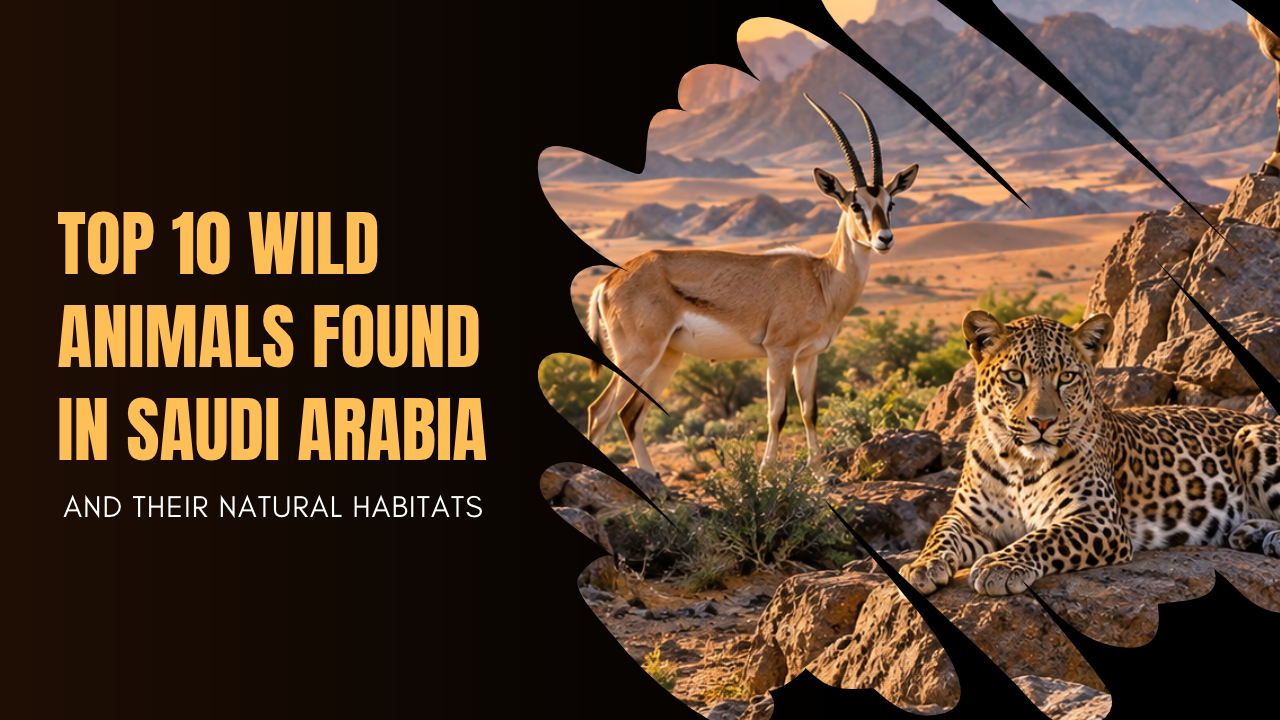
Animals and plants in desert ecosystems have adapted to limited water availability and extreme temperatures. These include Arabian oryx, gazelles, foxes, reptiles and drought-resistant plants found across different parts of the region.
5. Historical and Cultural Heritage
Many deserts feature archaeological sites, traditional settlements, historic routes and evidence of ancient human activity. Desert conditions have influenced regional cultures and histories, as demonstrated by Wadi Rum, AlUla, the Negev and the Sinai Peninsula.
Frequently Asked Questions About the Most Beautiful Deserts in the Middle East
What Is the Most Beautiful Desert in the Middle East?
There is no single answer because beauty depends on personal preference. Wadi Rum is famous for its red sandstone mountains, the Rub’ al Khali for its enormous dunes, Wahiba Sands for its colourful sand formations and Egypt’s White Desert for its unusual chalk sculptures.
What Is the Biggest Desert in the Middle East?
The Rub’ al Khali, also known as the Empty Quarter, is the world’s largest continuous sand desert. It covers parts of Saudi Arabia, Oman, the United Arab Emirates and Yemen.
Which Middle Eastern Desert Has Red Sand?
The An Nafud Desert in Saudi Arabia is well known for its reddish-orange sand dunes. Jordan’s Wadi Rum also features spectacular red desert landscapes.
Which Middle Eastern Desert Has White Rock Formations?
Egypt’s White Desert is famous for its white chalk formations carved by wind erosion. These natural structures resemble unusual sculptures scattered throughout the desert.
What Desert Is Known as the Valley of the Moon?
Wadi Rum in southern Jordan is also known as the Valley of the Moon because of its dramatic mountains, sandstone formations and unusual desert landscape.
Where Is the Empty Quarter Located?
The Rub’ al Khali, or Empty Quarter, stretches across Saudi Arabia, Oman, the United Arab Emirates and Yemen. It is famous for its enormous sand dunes and isolated desert environment.
Which Middle Eastern Deserts Are UNESCO World Heritage Sites?
Several desert landscapes in the Middle East have UNESCO World Heritage recognition. Important examples include Jordan’s Wadi Rum Protected Area and Iran’s Lut Desert. These sites are recognised for their outstanding natural and geological importance.
Do Middle Eastern Deserts Have Animals?
Yes. Middle Eastern deserts are home to a variety of wildlife, including Arabian oryx, gazelles, desert foxes, reptiles, insects and many bird species. Each desert has its own ecosystem and environmental conditions that determine which animals can survive there.
What Is the Best Time of Year to Visit Middle Eastern Deserts?
For many desert destinations, the cooler months between October and March are more comfortable for outdoor activities. However, the ideal visiting period depends on the country, altitude and local climate. Visitors should check seasonal weather conditions and travel guidance before planning their trips.
Are All Middle Eastern Deserts Sandy?
No. Many Middle Eastern deserts contain rocky plateaus, gravel plains, salt flats, mountains and dry valleys. Examples of destinations with rocky or mixed terrain include the Syrian Desert, Dasht-e Kavir and Judean Desert.
Conclusion: Discovering the Natural Wonders of Middle Eastern Deserts
The Middle East offers some of the world’s most diverse and fascinating desert environments. From the enormous dunes of the Rub’ al Khali and the red mountains of Wadi Rum to the white chalk formations of Egypt and the geological wonders of Iran’s Lut Desert, each destination provides a different experience.
These landscapes are important not only for their beauty but also for their biodiversity, geological history, cultural heritage and environmental significance. They demonstrate how plants, animals and human communities have adapted to some of the most challenging conditions on Earth.
Also Read:-
Discover 10 Rare and Endangered Animals Found in Oman
Hussain Sajwani: DAMAC Properties Founder and Chairman
Discover 20 Migratory Birds Found Across the Middle East