What Is Behind the Emergence of New Business Powerhouses in the Middle East?
The main driver is the diversification of the economy. Governments around the region are investing in sectors beyond hydrocarbons. National development strategies support the private sector, entrepreneurship, digital transformation, tourism, manufacturing, financial services and emerging technology.
This is opening up prospects for businesses and investors while reducing dependency on traditional sources of economic growth. The message to business is clear: the Middle East is becoming a market where innovation and investment are increasingly as important as natural resources.
Which Middle East Countries Are Becoming Major Business Hubs?
Several countries are developing distinctive and strong business ecosystems, with Saudi Arabia, the UAE, Qatar and Bahrain playing important roles in the region’s economic transformation.
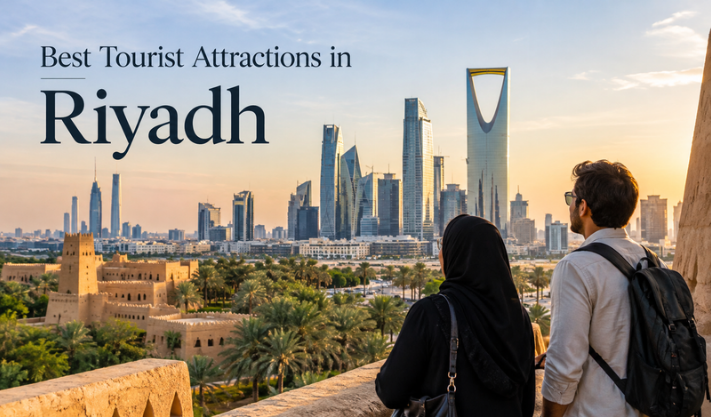
Why Is Saudi Arabia Emerging as a Business Powerhouse?
Saudi Arabia is one of the strongest examples of economic transformation in the region. Its diversification programme has encouraged investment in technology, tourism, entertainment, logistics, manufacturing, sports, healthcare and financial services.
Riyadh is becoming an increasingly important hub for entrepreneurs, investors, multinational companies and technology businesses. Large-scale infrastructure and development projects are also creating demand across construction, technology, hospitality, transportation, professional services and digital solutions.
The result is a business environment increasingly focused on innovation, investment and long-term economic diversification.
Why Does the UAE Remain a Global Business Hub?
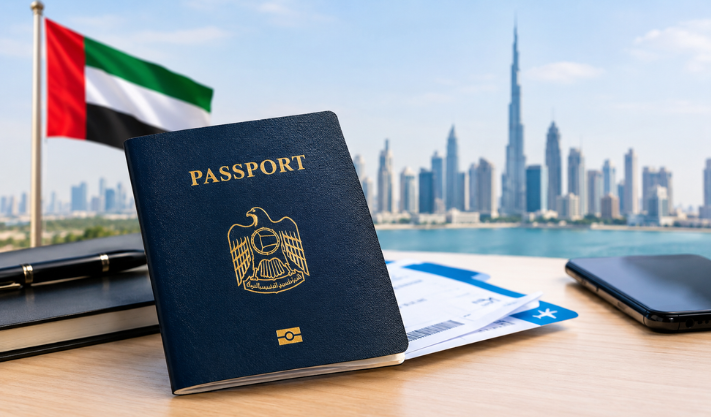
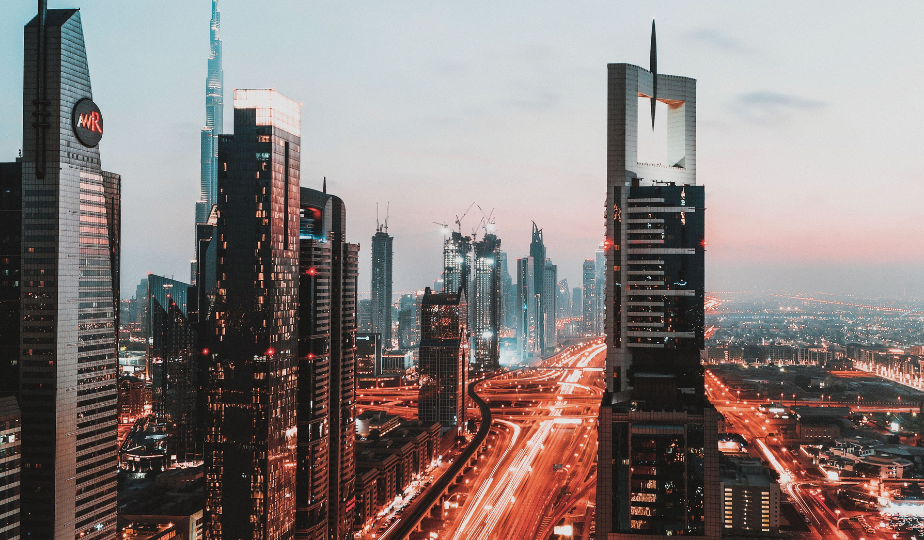
The UAE has developed into one of the most connected business environments in the Middle East. Dubai has a major presence in finance, tourism, real estate, logistics, e-commerce, technology and professional services.
Abu Dhabi has also strengthened its position in investment, energy, technology, finance and industrial growth. The UAE’s connectivity, commercial infrastructure, free-zone ecosystems and diverse economy have helped attract entrepreneurs and companies from around the world.
The country is evolving from a regional trading centre into a broader base for economic development.
How Is Qatar Developing Its Ecosystem for Business?
Qatar is creating opportunities in banking, sports, tourism, infrastructure, energy, technology and professional services. Doha’s international prominence is growing, making the country increasingly attractive to companies seeking access to the Gulf and wider international markets.
Qatar’s investment capacity and infrastructure are also supporting efforts to diversify beyond traditional energy-related activities.
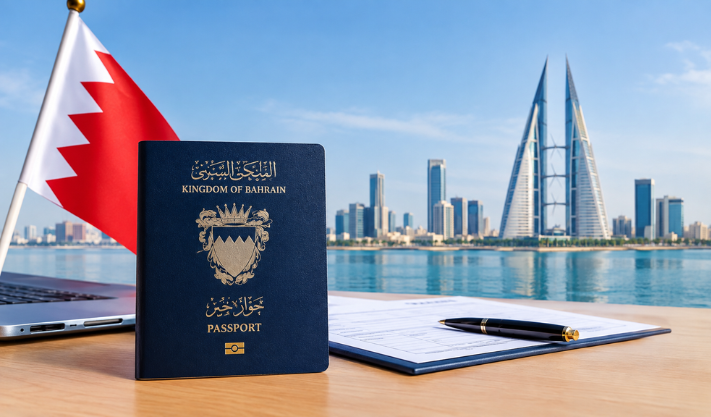
What Is Bahrain’s Role in the New Middle Eastern Economy?
Bahrain has developed a reputation as a supportive environment for financial services, fintech, startups and small and medium-sized businesses. Its relatively compact market can provide opportunities for companies looking for a Gulf base while maintaining close connections with larger regional economies.
Fintech, digital payments, financial technology and entrepreneurship are important elements of Bahrain’s evolving business landscape.
Why Is Technology Becoming Central to Middle East Business Growth?
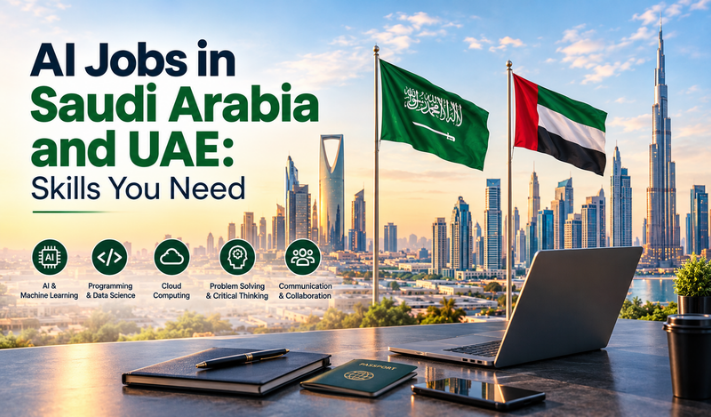
Technology is one of the strongest forces transforming the region. Artificial intelligence, cloud computing, fintech, cybersecurity, e-commerce, digital payments, automation and data-driven services are creating new types of businesses.
Middle Eastern companies are not simply using technology as a support function. Technology is increasingly becoming the foundation of new business models.
Startups are using digital platforms to connect with customers, while established organisations are investing in automation and artificial intelligence to improve productivity. This is creating opportunities for both local businesses and international technology companies.
How Are Startups Driving the Growth of New Business Powerhouses?
Startups are increasingly shaping the region’s economic transformation. Entrepreneurs are launching businesses in fintech, logistics, healthcare, education, retail, artificial intelligence, climate technology and digital services.
At the same time, venture capital firms, accelerators, incubators, corporate investors and government-backed initiatives are helping promising companies gain access to finance and expertise.
The growing startup environment is also producing a new generation of founders who think beyond national borders. Many Middle Eastern companies are built to serve customers across multiple countries, making regional expansion an important part of their growth strategies.
Is the Middle East More Attractive Than Before for Global Investors?
Yes. The region’s investment appeal is increasingly connected to its diversification goals, growing consumer markets, infrastructure development and strategic geographic position.
The Middle East sits between Europe, Asia and Africa, giving businesses access to important international trade routes and consumer markets. Large investment institutions and sovereign wealth funds also play a significant role in financing economic development and supporting important industries.
Investment opportunities are no longer limited to traditional energy markets. New opportunities are emerging across technology, healthcare, tourism, logistics, manufacturing, renewable energy and financial services.
How Does Tourism Open Up New Business Opportunities?
Tourism has become an important pillar of economic diversification across the Middle East. The expansion of luxury hospitality, cultural tourism, entertainment, sporting events, retail, aviation and destination development is creating opportunities for businesses of different sizes.
Entrepreneurs can benefit from growing demand for travel technology, hospitality services, food and beverage concepts, entertainment platforms, wellness experiences and digital tourism solutions.
Tourism is also supporting investment in related industries as the Middle East becomes increasingly popular with international travellers.
How Is Artificial Intelligence Shaping the Future of the Region?
Artificial intelligence has the potential to become one of the most influential technologies affecting business in the Middle East. Governments and organisations are exploring AI applications across healthcare, banking, education, transportation, energy, customer service, security and business operations.
The region’s investment capacity and developing digital infrastructure provide a strong foundation for AI adoption. This creates opportunities for entrepreneurs to develop specialised AI solutions rather than competing only in traditional technology categories.
As a result, AI is becoming more than a technology trend. It is increasingly becoming an important part of the region’s wider economic development.
Are Traditional Family Businesses Changing?
Yes. Family businesses remain highly important across the Middle East, but many are evolving. Younger generations are introducing digital technologies, professional management practices, international expansion strategies and new investment models.
Some traditional businesses are expanding into technology, healthcare, logistics, hospitality and financial services. The combination of established wealth, regional relationships and new innovation could become one of the region’s strongest competitive advantages.
What Challenges Might Middle East Businesses Face?
The opportunities are significant, but challenges remain. Businesses may have to navigate different regulations, market structures, customer preferences, talent requirements and competitive conditions across countries.
Highly specialised talent can also be difficult to find in rapidly growing fields such as artificial intelligence, cybersecurity and advanced technology.
Companies entering the region need more than capital. They require local market knowledge, strong relationships, regulatory awareness and a clear regional strategy.
What’s Next for Middle East Business Giants?
The future is likely to be more diverse, technology-focused and globally connected. The region is moving away from an economy largely tied to traditional energy industries toward a broader ecosystem that includes technology, finance, tourism, logistics, healthcare, manufacturing, renewable energy and entrepreneurship.
The transformation is both economic and cultural. A new generation of entrepreneurs and business leaders increasingly sees the Middle East not only as a place for investment but also as a place to build companies capable of competing globally.
Conclusion: Why Is the Middle East Important for Global Business?
The emergence of new business powerhouses across the Middle East represents a major transformation in the region’s economic identity.
Diversification, technology, investment, entrepreneurship and international partnerships are creating new opportunities across Saudi Arabia, the UAE, Qatar, Bahrain, Oman and other markets.
The region offers entrepreneurs, investors and global companies a combination of capital, strategic geography, ambitious development programmes, growing markets and increasingly sophisticated business ecosystems.
The next generation of Middle Eastern business powerhouses may come not only from oil, property or conventional trade, but from artificial intelligence, fintech, healthcare, tourism, logistics, renewable energy and emerging businesses that are still taking shape.
Also Read:-
How to Start an Energy Business in the UAE?
What Is Qatar’s GDP and How Is Its Economy Growing?
Salesforce Middle East’s Mohammed Alkhotani on Innovation