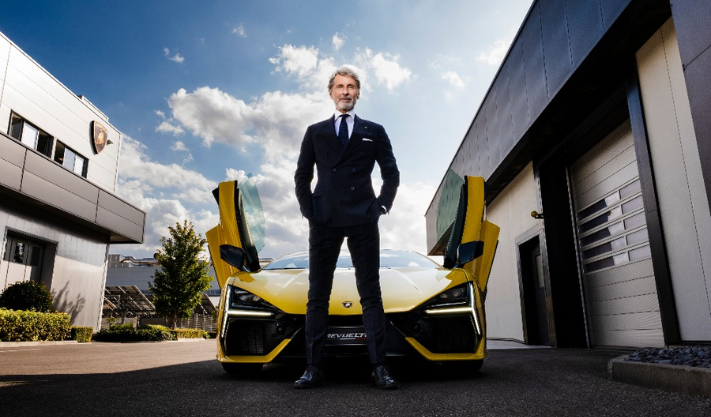
Stephan Winkelmann on Why Lamborghini Isn’t Going Fully Electric
Stephan Winkelmann has made it clear: Lamborghini is not abandoning electrification—but it’s not going fully electric anytime soon. Instead, the iconic supercar brand is choosing a hybrid-first strategy, driven by customer expectations, brand identity, and market realities.
1. Lack of Customer Demand for Electric Supercars
One of the biggest reasons is simple—customers aren’t asking for it.
Luxury supercar buyers are very different from mainstream EV buyers. They’re not just purchasing transportation—they’re buying emotion, exclusivity, and experience. At present, fully electric vehicles don’t fully deliver what this segment expects.
2. Missing Emotional Connection
Lamborghini cars are famous for their engine sound, raw power, and thrilling driving experience, especially their V10 and V12 engines.
Electric vehicles, while fast, lack:
- The iconic engine roar
- Mechanical engagement
- Sensory excitement
According to Winkelmann, this creates a gap in the emotional connection that defines a Lamborghini.
3. High Investment Risk
Developing high-performance EVs requires massive investment.
Without strong demand, entering the EV space too aggressively could become financially risky. Lamborghini is taking a cautious approach to ensure that investments align with real market interest and long-term returns.
4. Market Readiness Is Still Limited
While EV adoption is increasing globally, the ultra-luxury performance segment is evolving more slowly.
Winkelmann believes:
- The timing isn’t ideal yet
- Customer acceptance is still developing
- Technology hasn’t fully matched expectations for supercars
5. Hybrids Offer the Best Balance
Instead of going fully electric, Lamborghini is focusing on plug-in hybrid technology.
Hybrids combine:
- Electric power for efficiency and instant torque
- Combustion engines for sound and performance
- This allows Lamborghini to deliver both sustainability and excitement.
6. Protecting Brand Identity
Lamborghini’s identity is built on emotion, performance, and heritage.
A sudden shift to full electrification could dilute what makes the brand unique. Winkelmann emphasizes the importance of maintaining a consistent brand experience for customers worldwide.
7. Strong Performance of Hybrid Models
Lamborghini’s hybrid models are already performing well in the market.
Positive customer response and strong sales reinforce the company’s strategy to focus on hybrids rather than rushing into full electrification.
8. Combustion Engines Still Matter
Lamborghini plans to continue using internal combustion engines for as long as possible.
These engines remain a core part of the brand’s identity and are essential to delivering the signature Lamborghini driving experience.
9. EVs Are Delayed, Not Rejected
Lamborghini is not rejecting electric vehicles—it is simply waiting for the right moment.
- The company is:
- Monitoring technological advancements
- Observing market trends
- Preparing for a future transition when conditions are right
Final Takeaway
Stephan Winkelmann’s strategy highlights an important principle in the luxury auto industry:
Innovation must align with customer expectations, not just industry trends.
For Lamborghini, the future is not fully electric—at least for now. It is hybrid, emotional, and performance-driven, ensuring the brand evolves without losing its legendary identity.
Also Read:
Middle East tensions boost Russia’s oil income quietly
CEPA Momentum: UAE Blueprint for Diversified Economic Growth
The Middle East’s Four Healthcare Billionaires 2026