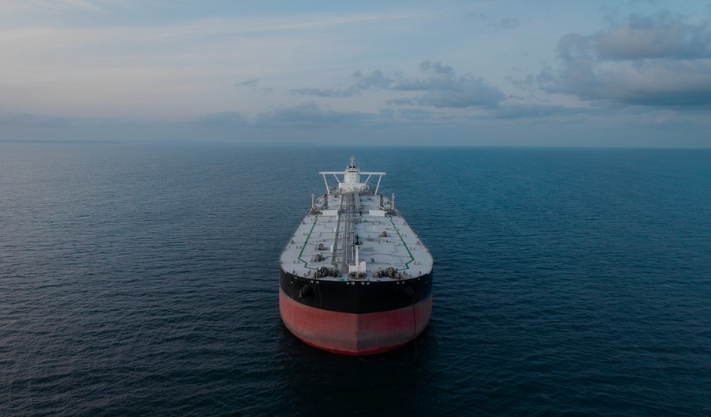
Strait of Hormuz in Focus: How Oil Prices React to Risk
The Strait of Hormuz is one of the most important oil routes in the world. About one-fifth of all oil shipped by sea passes through this narrow waterway. Even though it is heavily guarded, oil markets always see it as a high-risk area. When tensions rise between the United States and Iran, oil traders react quickly. They do not wait for ships to stop moving. Prices often change almost immediately.
Recently, tensions between Washington and Tehran have increased again. On February 17, Iran temporarily closed parts of the strait during military drills. Officials said it was for safety reasons, but many traders saw it as a warning. Even though oil tankers continued to pass through, crude prices rose because traders added a “geopolitical risk premium.” This means prices increased because of fear of possible trouble.
For oil markets, the main question is not whether supply has already been disrupted. The key issue is how likely a disruption is and how long it could last. Even if there is no real shortage of oil, the fear of risk can push prices higher. In global oil markets, expectations alone can move billions of dollars.
Why the Strait Matters
The Strait of Hormuz connects the Persian Gulf to the Arabian Sea. At its narrowest point, it is only 29 nautical miles wide. It sits between Iran and Oman, and ships travel through two narrow lanes in opposite directions.
According to the International Energy Agency, about 14.5 million barrels of crude oil per day passed through the strait from January to May 2025. That is nearly one-third of global crude trade. Overall petroleum flows are even higher.
Iran has often threatened to close the strait during times of political pressure. Because there are few alternative routes for many Gulf producers, the strait is considered one of the world’s most sensitive energy chokepoints.
If Iran were to block traffic, around 9 million barrels per day of exports from countries like Kuwait, Qatar, and Iraq could be at risk. That equals about 9% of global oil demand. However, experts note that past threats were mostly political signals rather than real action. Markets also expect that the US Navy would move quickly to reopen the waterway if it were blocked. This belief suggests that any shock might be short-term unless supply losses continue for a long period.
How Prices Could React
There are many ways supply could be disrupted. There could be attacks on oil facilities, tanker incidents, or attempts to block the strait. Each situation would affect prices differently. But any confirmed disruption would likely cause oil prices to jump quickly.
If the strait were reopened within days or weeks, the price spike would probably not last long. At the moment, global oil supply is relatively strong. Brent crude prices are around $70 per barrel, and analysts believe about $5 of that price reflects geopolitical risk.
Whether prices stay high or fall back depends less on headlines and more on how much oil supply is actually affected and for how long.
The Role of OPEC+
In the event of a disruption, OPEC+ would play a key role. The group has around 3.5 to 4 million barrels per day of spare production capacity. Most of this extra capacity is held by Saudi Arabia and the United Arab Emirates.
If supply losses are limited, this spare capacity could help calm the market. However, OPEC+ usually does not react to short-term price spikes. The group is more likely to act if high prices last long enough to weaken global demand.
The length of the disruption is the most important factor. A short interruption may need little response. A long one would test the market’s ability to cope.
Who Benefits and Who Loses?
Oil price shocks shift money around the world. Exporting countries benefit when prices rise, as long as they can keep exporting. The Middle East supplies about one-third of global crude exports. Countries like Saudi Arabia, Iraq, the UAE, and Kuwait would earn more revenue if prices stay high and exports continue.
Companies such as Saudi Aramco and Abu Dhabi National Oil Company would see stronger cash flow and profits under higher prices, provided their exports are not interrupted.
On the other hand, oil-importing countries would face higher costs. China, India, Japan, and South Korea buy large volumes of oil through Hormuz. Higher import costs could push up inflation and slow economic growth. The United States could also feel pressure if gasoline prices rise.
In the end, the impact of a Strait of Hormuz crisis depends on one main factor: whether oil continues to flow. Exporters gain only if supply remains steady. Importers start losing as soon as prices increase. In global oil markets, continuity of supply matters more than price levels alone.
Published: 23th February 2026
For more article like this please follow our social media Twitter, Linkedin & Instagram
Also Read:
Three GCC nations hold the largest share of US debt
The Quiet Rise of Gulf Family Offices as a New Financial Force
Libya reopens oil and gas bids after nearly 20 years