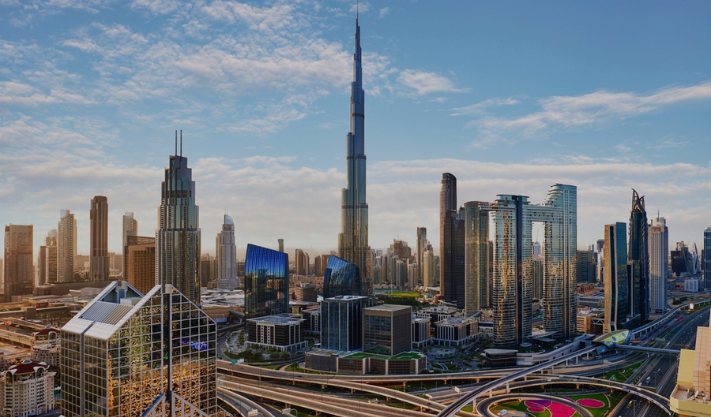
Wealth on the Move: Why the UAE Is Attracting More Millionaires
A large wave of wealthy people is moving around the world, and the UAE is becoming the top choice for many of them. This is not just about lifestyle or luxury. It is about money, business, and long-term plans. As more millionaires move to the UAE, they are bringing their capital, starting companies, and creating jobs. This is helping the country grow beyond oil and build a stronger, knowledge-based economy.
UAE Becomes a Global Wealth Hub
The UAE is now seen as one of the world’s leading places for millionaires to live and invest. Wealthy individuals from countries such as the UK, India, Russia, parts of Southeast Asia, and Africa are choosing to relocate there. Many are looking for second homes or alternative residency options.
There are clear reasons for this shift. The UAE offers low and simple taxes, political stability, strong security, and good business conditions. It is also located in a strategic position between Europe, Asia, and Africa, making it easier for business leaders to manage global operations from one time zone.
In recent years, global uncertainty has pushed wealthy families to think more carefully about where they live. Geopolitical tensions, changing tax rules, and policy uncertainty in some Western countries have made people look for safer and more predictable environments. As a result, capital is moving faster than ever before.
According to Hamza Dweik of Saxo Bank, the rise in millionaires choosing the UAE shows a deeper shift in global capital flows. It is not only a short-term trend. Recent wealth migration data suggests that the UAE is expected to attract around 9,800 millionaires in 2025, the highest net inflow in the world. In contrast, the UK is expected to see the largest net outflow.
These high-net-worth individuals are not just parking their money. Many are active entrepreneurs and investors. Together, they are bringing billions of dollars in wealth. A large number are launching businesses in artificial intelligence (AI), technology, and e-commerce. Their presence has contributed to increased hiring and new company formation in 2025.
Turning Wealth into Business Growth
The UAE’s success is not only about attracting wealth. It is also about turning that wealth into real economic activity.
The country offers a mix of safety, strong infrastructure, a high standard of living, and business-friendly regulations. Dubai, in particular, has positioned itself as a digital leader in the region.
For example, Dubai regulates crypto markets through the Virtual Assets Regulatory Authority (VARA). This provides clear rules for digital assets and gives investors confidence. In addition, the Dubai Land Department has introduced blockchain-based systems and real estate tokenisation initiatives to make property transactions more transparent and efficient.
Progressive visa systems also make it easier for entrepreneurs, freelancers, and investors to live and work in the country. These policies create a supportive environment for global families and business founders.
A key question, however, is how well the UAE can use this new wealth to support long-term, non-oil growth. So far, the signs are positive.
Real estate investments have increased, and non-oil sectors such as wealth management, AI infrastructure, and financial services are growing. Family offices are also expanding, creating demand for legal, compliance, and advisory services.
The Dubai International Financial Centre (DIFC) has seen strong growth. Reports show that the number of hedge funds operating there has doubled in the past eighteen months. Meanwhile, Abu Dhabi Global Market (ADGM) recorded a significant rise in registered companies as global firms set up regional headquarters.
One of the most important factors is speed. In the UAE, incoming wealth quickly turns into company formation, investment spending, and job creation. This “conversion speed” helps the economy grow faster and makes the country more competitive.
Surge in Foreign Direct Investment
The UAE is also attracting large amounts of foreign direct investment (FDI). In 2025, the country reportedly brought in more than $45 billion in FDI, representing a strong increase compared to the previous year.
At the same time, non-oil activities now account for around 77% of the country’s GDP. This shows that diversification efforts are working. The government’s long-term strategy, including the “We the Emirates 2031” vision, aims to build a knowledge-driven economy that is less dependent on hydrocarbons.
Experts from Saxo Bank note that many of the new arrivals are active investors rather than passive asset holders. They are building companies, investing in new sectors, and supporting financial markets. Reforms in cryptocurrency, digital assets, and capital markets have made the UAE more attractive as a global wealth centre.
The arrival of ultra-wealthy individuals is also boosting demand for private banking, wealth management, family office services, luxury real estate, and legal advisory. At the same time, it is encouraging innovation in fintech, health tech, and edtech. Employment opportunities are growing, especially in key business hubs like DIFC.
Why Millionaires Are Leaving Other Countries
In many cases, migration today is driven by risk management rather than just business opportunity. Ultra-high-net-worth families want to spread their assets across different countries. This protects them from sudden tax changes, political instability, or strict new regulations.
In the UK, for example, the abolition of the long-standing non-domiciled tax regime has led many wealthy individuals to reconsider their residency. As a result, the country is projected to see the largest net outflow of millionaires in 2025, with around 16,500 expected to leave.
Some Middle Eastern countries, including Lebanon and Iran, are also seeing wealth outflows due to economic and political challenges. In comparison, the UAE offers policy stability, long-term planning certainty, and access to fast-growing markets.
Analysts say that the UAE’s strength lies in how well its immigration policy, capital market development, and economic strategy work together. This alignment gives global investors confidence and makes the country more attractive.
Challenges Ahead
Although the UAE is currently leading the global millionaire race, keeping this position will not be easy.
Global competition is increasing. Countries such as Singapore, Switzerland, and Portugal are also improving their residency programs, tax frameworks, and investment incentives to attract wealthy individuals.
As more countries introduce investor visas and digital residency schemes, it becomes harder to stand out. The UAE will need to maintain regulatory consistency, strong compliance standards, and international cooperation. In a time of increased global scrutiny around anti-money laundering and financial transparency, reputation matters more than ever.
There are also domestic pressures. The arrival of thousands of wealthy families has increased demand for luxury housing, top private schools, and advanced healthcare services. Property prices in some areas have risen quickly, raising concerns about possible overheating in certain sectors.
The government must expand infrastructure while protecting quality of life. Managing population growth and ensuring sustainable development will require careful planning.
In the next phase, the focus may need to shift from simply attracting capital to integrating it effectively. The goal should be to channel wealth into productive businesses, innovation, and long-term economic strength, rather than short-term speculation.
A Structural Shift in Global Capital
The UAE’s rise as a global wealth hub is not just a temporary trend. It reflects a deeper change in how global capital is allocated. Wealthy individuals are choosing countries that offer stability, clear rules, and future growth.
By aligning immigration policies, regulatory clarity, and financial infrastructure with its wider economic strategy, the UAE has built an ecosystem where wealth quickly turns into enterprise and job creation.
If this momentum continues, the country could strengthen its position as a leading destination for global millionaires. More importantly, it could build a resilient, diversified economy that is less dependent on oil and more focused on innovation, entrepreneurship, and long-term capital formation.
In simple terms, wealth is moving around the world — and right now, much of it is choosing the UAE.
Published: 24th February 2026
For more article like this please follow our social media Twitter, Linkedin & Instagram
Also Read:
Strait of Hormuz in Focus: How Oil Prices React to Risk
Three GCC nations hold the largest share of US debt
The Quiet Rise of Gulf Family Offices as a New Financial Force