UAE-Saudi Trade Relations: New Agreements Signed
In recent years, Gulf economies have made significant strides toward reducing their dependence on oil revenues. With ambitious national strategies such as Saudi Arabia’s Vision 2030 and the UAE’s Vision 2050, the region has embraced diversification to build sustainable and resilient economies. As a result, Gulf Cooperation Council (GCC) countries are now seeing the positive outcomes of these efforts, especially in sectors like tourism, technology, renewable energy, and finance.
Moving Beyond Oil
Traditionally, the economies of the Gulf have relied heavily on hydrocarbon exports. However, fluctuations in oil prices and growing global demand for sustainable energy have prompted governments to rethink their economic models. The push for diversification is not only a response to economic vulnerabilities but also a strategic move to future-proof these nations.
For instance, Saudi Arabia has significantly increased its investment in non-oil sectors. According to recent data, non-oil GDP in Saudi Arabia grew by more than 5% in 2024, with sectors such as real estate, entertainment, and tourism contributing substantially. Similarly, the UAE has expanded its tech and logistics sectors, with Dubai establishing itself as a global hub for innovation and trade.
Tourism and Hospitality Boom
Tourism is one of the fastest-growing sectors in the region. The successful hosting of Expo 2020 Dubai marked a turning point for the UAE, attracting millions of visitors and showcasing the nation’s potential as a global tourism destination. Saudi Arabia has also opened up to international tourists, with initiatives like the Red Sea Project and the development of NEOM drawing global interest.
These developments have created thousands of jobs, stimulated local businesses, and attracted billions in foreign investment. As countries invest in world-class infrastructure and promote cultural tourism, the Gulf is quickly becoming a hotspot for global travelers.
Technology and Innovation as Catalysts
Tech innovation is at the heart of diversification strategies. Governments have launched numerous initiatives to nurture startups, invest in smart cities, and advance digital transformation. The UAE’s Artificial Intelligence Strategy and Saudi Arabia’s focus on smart governance are transforming both the private and public sectors.
Additionally, partnerships with international tech firms are accelerating progress. Data centers, fintech hubs, and e-commerce platforms are growing rapidly, establishing the Gulf as a new player in the global tech ecosystem.
Renewable Energy and Sustainability
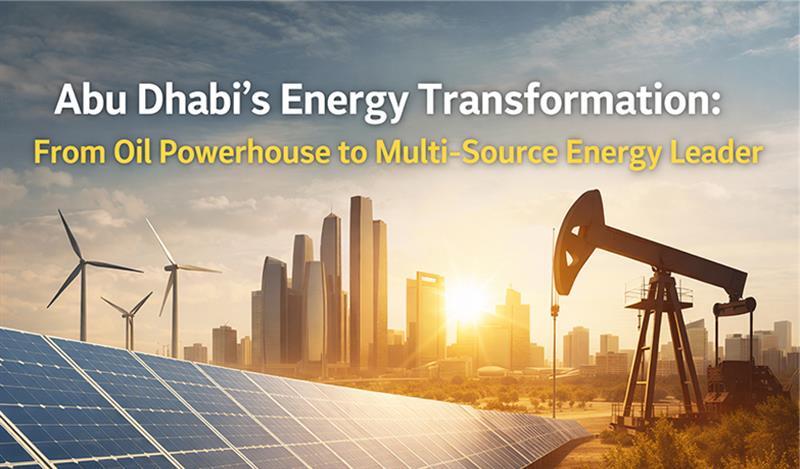
In line with global climate goals, GCC nations are also investing in renewable energy. Saudi Arabia’s ambitious plans for solar and wind projects, along with the UAE’s Masdar City and Al Dhafra Solar Project, highlight the region’s commitment to sustainable development.
These initiatives not only support environmental goals but also open new revenue streams and employment opportunities, making sustainability a cornerstone of economic diversification.
Conclusion
The Gulf economies’ diversification efforts are clearly paying off. By reducing reliance on oil and fostering growth in emerging sectors, countries like Saudi Arabia, the UAE, and Qatar are positioning themselves as dynamic, diversified, and globally competitive. With continued investment and innovation, the region is set to thrive in the post-oil era—an inspiring example of strategic transformation for other resource-rich nations.
Published: 5th April 2025
For more article like this please follow our social media Twitter, Linkedin & Instagram
Also Read:
Diversification Efforts Pay Off for Gulf Economies
Saudi Arabia travel surplus up 7.8% to $13.3B in 2024
TAQA signs a deal with EWEC to build 1 GW of energy