Saudi Arabia Opens Its Stock Market to Foreign Investors, With Ownership Limits
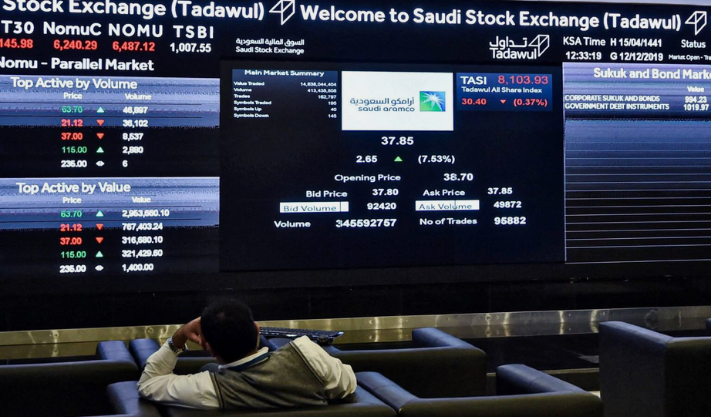
Saudi Arabia has taken a major step by fully opening its stock market to foreign investors for the first time. From Sunday, all types of foreign institutions and investment funds can trade directly on the Saudi stock exchange, known as Tadawul. However, the country has kept clear limits on how much of any company foreign investors can own.
Tadawul now open to all foreign investors
Before February 1, 2026, foreign investors had to meet strict rules to trade directly in Saudi stocks. Only certain qualified investors were allowed, and many had to invest indirectly. Now, those restrictions are gone. All categories of foreign investors, including institutions, funds, and other approved entities, can trade Saudi shares without special approval.
This change makes it much easier for global investors to enter the market. As a result, experts expect higher trading activity and better liquidity. Large international investors can now buy and sell Saudi stocks more easily, which should increase daily trading volumes.
A broader investor base can also improve how stock prices are set. With more investors using different strategies, prices may better reflect true company value. Over time, long-term foreign investment may also help reduce price swings and make the market more stable.
What the ownership limits mean
Even though access is now open, foreign ownership is still limited. Under the new rules, foreign investors are grouped into different categories, such as resident foreigners, GCC residents, non-residents, foreign companies, strategic investors, and foreign funds.
Non-resident foreign investors, except strategic investors, cannot own 10% or more of shares in any listed company. In addition, total foreign ownership in a company cannot exceed 49%, excluding strategic investors.
These limits allow foreign money to enter the market while keeping control of Saudi companies largely in local hands. Strategic foreign investors are not subject to these caps, which allows room for large long-term investments when needed.
Market reaction and expert views
Saudi economic analyst Mohammed Alangri told Forbes Middle East that this decision is the most important step so far in opening the market. He said it brings Saudi Arabia in line with global standards by removing qualification barriers.
Alangri added that the move should increase liquidity, boost daily trading, improve stock pricing, and support future listings and dual listings. It may also help expand derivatives trading in the market.
Economic expert Wadah Al Taha said the decision also has a positive psychological effect on local investors, especially after weak market performance over the past year. He noted that foreign ownership levels are still below the allowed limits, meaning there is room for further growth.
He also explained that easier foreign access could raise Saudi stocks’ weight in global indices like MSCI and Morgan Stanley. These indices often require higher levels of freely traded shares.
According to a Bloomberg report, analysts at JPMorgan, EFG Hermes, and Franklin Templeton expect the changes to bring in at least $10 billion in new investments. Saudi banks such as Al Rajhi Bank and Saudi National Bank are expected to benefit the most.
Foreign investment already plays a big role
Foreign investors already hold a large share of Saudi assets. By the end of the third quarter of 2025, foreign holdings in the Saudi capital market reached about $157 billion, according to the Capital Market Authority. Around $138 billion of that was invested in the main market.
These numbers show that foreign investors were already important before the latest changes. Removing entry barriers is likely to speed up investment further, especially from global funds looking for exposure to large and liquid emerging markets.
Steps toward full market access
This opening follows several reforms over the past year. In July 2025, authorities simplified investment account procedures for some foreign investors, especially those living in GCC countries. In October, regulators released draft rules allowing direct investment by non-resident foreigners.
These steps led to the full market opening announced in January.
Strong economic background
Saudi Arabia’s economy has also been growing strongly. The country’s real GDP grew by 4.5% in 2025. Non-oil activities were the main driver, followed by oil-related growth. The IMF recently raised its growth forecast for Saudi Arabia, expecting solid expansion through 2026.
Together, economic growth and market reforms are making Saudi Arabia increasingly attractive to global investors.
Published: 2nd February 2026
For more article like this please follow our social media Twitter, Linkedin & Instagram
Also Read:
Arab Wealth Funds Rival G7—Where Does the Money Go?
Mubadala Capital raises $554m in first co-investment fund
GCC central banks hold rates steady after US Fed move