Introduction: A Challenging Start to the Year
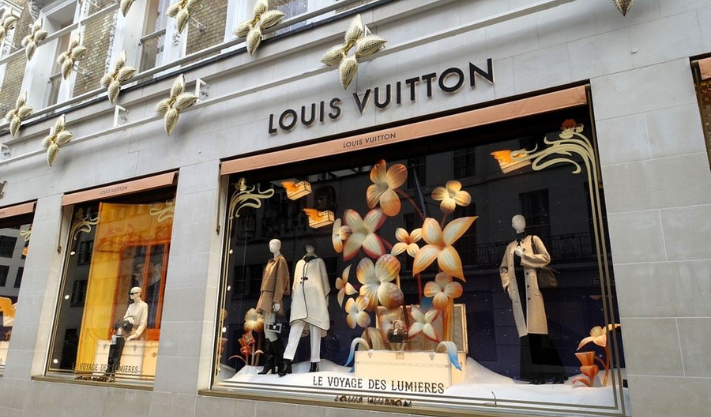
Luxury giant LVMH began the year on a cautious note, reporting a 6% decline in first-quarter revenue to $22.4 billion. As the world’s largest luxury goods conglomerate, the company’s performance is often seen as a barometer of global consumer sentiment—particularly among high-net-worth individuals. This latest dip signals a combination of macroeconomic headwinds, geopolitical instability, and shifting consumer behaviors that are reshaping the luxury landscape in 2026.
The Impact of Middle East Geopolitical Tensions
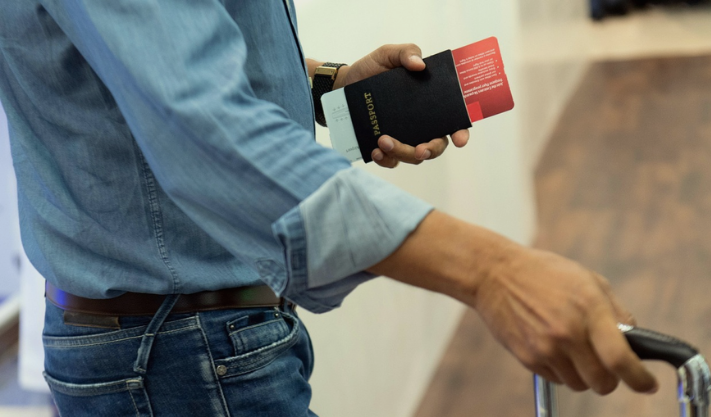
One of the most significant contributors to LVMH’s revenue decline has been the ongoing conflict in the Middle East. The region has long been an important market for luxury brands, driven by affluent consumers and strong tourism flows. However, rising tensions have disrupted travel patterns, reduced retail footfall, and dampened consumer confidence. Luxury shopping, often tied to travel and experiential spending, has taken a hit as uncertainty prevails.
Tourism hubs that typically attract wealthy shoppers from the Middle East—such as Paris, Milan, and London—have also felt the ripple effects. With fewer international visitors, flagship stores have experienced lower traffic, directly impacting sales across fashion, jewelry, and cosmetics segments.
Weak Demand in Key Global Markets
Beyond geopolitical concerns, LVMH is also facing softer demand in several major markets. China, once a key driver of growth for luxury brands, continues to experience a slower-than-expected economic recovery. While there are signs of stabilization, cautious consumer spending and a focus on savings have limited discretionary purchases, including high-end goods.
In the United States, persistent inflation and higher interest rates have also weighed on consumer sentiment. Even affluent buyers are becoming more selective, prioritizing value and experiences over conspicuous consumption. This shift has forced luxury brands to rethink pricing strategies and product offerings.
Segment Performance: Mixed Results Across Divisions
LVMH operates across multiple segments, including fashion and leather goods, wines and spirits, perfumes and cosmetics, and watches and jewelry. The first-quarter results revealed a mixed performance across these divisions.
The fashion and leather goods segment—home to iconic brands—remained relatively resilient but still posted modest declines compared to previous growth levels. Wines and spirits experienced a sharper drop, as demand softened in both Western and Asian markets. Meanwhile, perfumes and cosmetics showed some stability, benefiting from consistent consumer demand, although growth remained subdued.
The watches and jewelry segment faced pressure as well, particularly due to reduced tourist spending and cautious consumer behavior in key luxury markets.
Currency Fluctuations and Cost Pressures
Currency volatility has also played a role in LVMH’s performance. Fluctuations in exchange rates can significantly impact reported revenues, especially for a company with a global footprint. A stronger euro against other currencies has made European luxury goods more expensive for international buyers, further dampening demand.
Additionally, rising operational costs—including raw materials, logistics, and labor—have squeezed margins. While LVMH has historically maintained strong pricing power, there is a limit to how much cost can be passed on to consumers without affecting demand.
Strategic Adjustments and Cost Management
In response to these challenges, LVMH is focusing on strategic adjustments to maintain its competitive edge. The company continues to invest in brand equity, digital transformation, and customer experience. Enhancing online platforms and integrating omnichannel strategies have become key priorities as consumer shopping habits evolve.
Cost management is another area of focus. By optimizing supply chains and improving operational efficiency, LVMH aims to mitigate the impact of rising expenses. At the same time, the company is carefully managing inventory to avoid overstocking in a period of uncertain demand.
The Role of Innovation and Brand Strength
Despite the short-term decline, LVMH’s long-term outlook remains supported by its strong portfolio of brands and commitment to innovation. The company continues to introduce new collections, collaborate with designers, and expand its presence in emerging markets.
Luxury consumers are increasingly seeking unique and personalized experiences, and LVMH is adapting by offering exclusive products and services. From limited-edition releases to immersive retail environments, the company is leveraging creativity to maintain its appeal.
Resilience in the Face of Global Uncertainty
LVMH’s ability to navigate challenging environments has been demonstrated in the past, including during economic downturns and global crises. Its diversified business model and global presence provide a level of resilience that many competitors lack.
While the current environment presents significant challenges, it also offers opportunities for consolidation and strategic growth. Companies with strong balance sheets and brand equity are better positioned to weather the storm and emerge stronger.
Investor Sentiment and Market Outlook
The 6% decline in revenue has naturally raised concerns among investors, but many analysts view the downturn as a temporary setback rather than a structural issue. The luxury sector remains fundamentally strong, driven by long-term trends such as rising global wealth and increasing demand for premium products.
However, the near-term outlook is likely to remain uncertain. Geopolitical developments, economic conditions, and consumer sentiment will continue to influence performance. Investors will be closely watching LVMH’s ability to adapt and sustain growth in this evolving landscape.
Conclusion: Navigating a Complex Global Environment
LVMH’s first-quarter performance highlights the complex interplay of geopolitical, economic, and consumer factors shaping the luxury industry. The 6% decline in revenue to $22.4 billion underscores the challenges posed by Middle East tensions and broader market dynamics.
Yet, the company’s strong brand portfolio, strategic focus, and commitment to innovation provide a solid foundation for future growth. As the global environment stabilizes, LVMH is well-positioned to capitalize on renewed demand and continue its leadership in the luxury sector.
In the meantime, the company’s ability to remain agile and responsive will be key to navigating the uncertainties ahead and sustaining its long-term success.
Also Read:-
Oman Opens Bids for New Oil and Gas Blocks
Saudi AI Gamble: Ambition, Scale & Risk Push
From Oil Powerhouse to Multi-Source Energy Leader