Lebanon’s Restructuring Plan May Not Meet IMF Demands
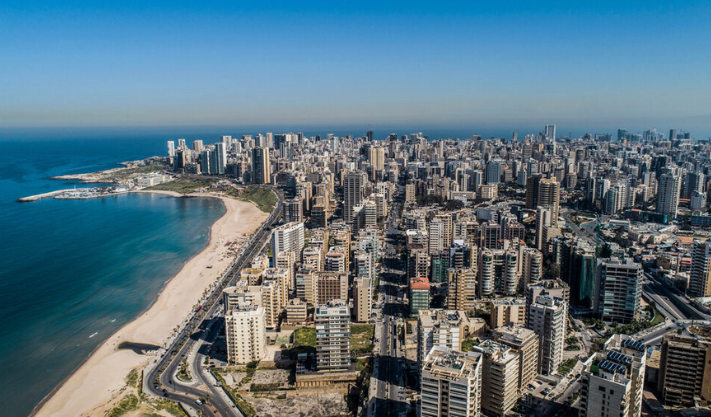
Lebanon is preparing a long-awaited plan to fix its broken financial system. This step is seen as important for getting a bailout from the International Monetary Fund (IMF) and rebuilding trust after years of economic problems.
Economic recovery efforts
A draft law that decides how financial losses will be shared between the state, the central bank, commercial banks, and depositors is almost ready. It could be sent to the cabinet in the coming weeks, then to parliament, Reuters reported.
But experts warn the plan may not fully meet IMF conditions and could let banks avoid responsibility.
The plan aims to deal with losses of more than $70 billion. It includes deposit write-offs, gradual repayments, and new financial tools. Small depositors with less than $100,000—about 85% of accounts—would get their money back in cash over three to five years.
Large depositors may face longer waits and might have to return the unusually high interest they earned between 2016 and 2019, when banks offered double-digit returns in what many now call a Ponzi scheme.
Officials are also considering using “asset-backed bonds” linked to state assets, including Lebanon’s $30 billion in gold reserves. But analysts warn this could go against IMF rules and put the burden on future generations instead of holding banks accountable.
Long-term impact
The financial crisis, which began in 2019 after decades of overspending and poor management, locked people out of their savings as banks closed. The situation worsened after last year’s conflict between Israel and Hezbollah, which hurt public finances even more.
Despite this, bond investors are hopeful. Prices of Lebanon’s defaulted bonds have risen from 6 cents to almost 24 cents on the dollar over the past year, as markets expect reforms and IMF support.
Still, the real value of these bonds will depend on how losses are shared between the state, banks, and depositors—a decision unlikely before the 2026 elections.
Lebanon’s new central bank governor, Karim Souaid, has promised to rebuild trust by protecting small savers, targeting shadow banking linked to Hezbollah, and pushing commercial banks to either raise more capital or shut down.
“The state, banks, and central bank must all share the responsibility of repaying depositors,” he said in his first speech.
But with the currency still collapsed, unemployment high, and politics divided, Lebanon’s recovery path remains uncertain. Without a strong restructuring plan, the country risks staying stuck in crisis for another generation.
Published: 26th September 2025
For more article like this please follow our social media Twitter, Linkedin & Instagram
Also Read:
Saudi Stock Market Rises on Plans to Relax Foreign Ownership Rules
Dubai tops global Greenfield FDI with 643 projects in H1 2025
UAE’s ALEC Holdings IPO: Price Set, Eyes $381M, Subscriptions Open