Iran War Live: Trump Suspends US Attacks, Tehran Agrees to 2-Week Ceasefire
In a dramatic and last-minute development, the United States and Iran have stepped back from the brink of a major escalation, agreeing to a temporary two-week ceasefire that has paused active military operations—for now.
The announcement came just hours before a looming U.S. deadline for large-scale strikes on Iranian infrastructure, marking a sudden shift from confrontation to cautious diplomacy. While the move has brought relief across global markets and political circles, uncertainty continues to hang over the region.
Here’s a full breakdown of what’s happening, why it matters, and what could come next.
Trump Halts Military Strikes at the Last Moment
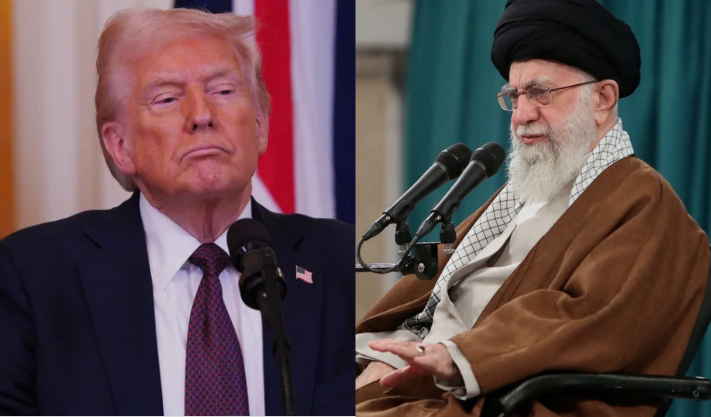
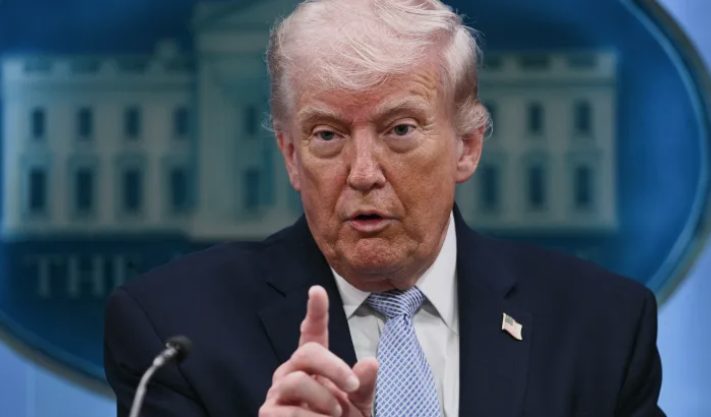
U.S. President Donald Trump confirmed that Washington would suspend bombing and military operations against Iran for two weeks, effectively freezing planned attacks.
The decision came just 90 minutes before a key deadline, when the U.S. had been expected to launch a new wave of strikes targeting Iranian infrastructure.
Trump described the ceasefire as a “double-sided” agreement, signaling that both countries would halt offensive actions during this period.
Iran Agrees—But With Conditions
Tehran has agreed to the ceasefire, but not without conditions. Iranian officials made it clear that the truce is conditional and temporary, emphasizing that the war is not officially over.
A key requirement is the safe and complete reopening of the Strait of Hormuz, one of the most strategically important waterways in the world.
Iran has indicated it will allow shipping to resume under coordinated military oversight, signaling a willingness to ease global tensions—at least for now.
Why the Strait of Hormuz Matters
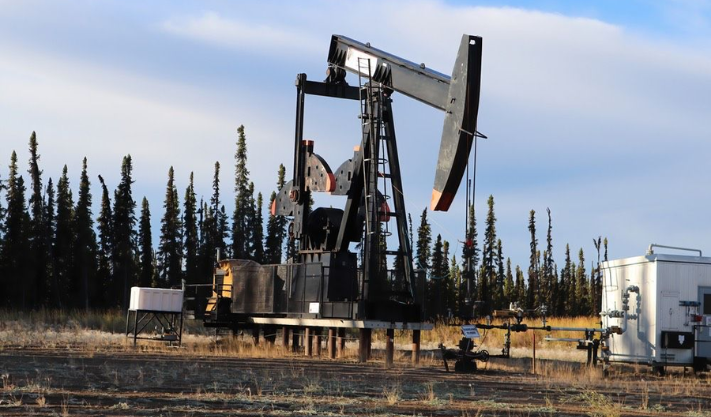
The Strait of Hormuz is a narrow passage through which a significant portion of the world’s oil supply flows. Any disruption there can send shockwaves through global markets.
In recent weeks, the closure of the strait had triggered rising oil prices and fears of economic instability. The ceasefire agreement’s focus on reopening it is seen as a major step toward stabilizing energy markets.
Pakistan’s Crucial Role in Brokering Peace
One of the most surprising aspects of the ceasefire is the role played by Pakistan.
Diplomatic efforts led by Prime Minister Shehbaz Sharif and military chief Asim Munir helped bring both sides to the negotiating table.
Their intervention appears to have been decisive, convincing both Washington and Tehran to pause hostilities and explore a diplomatic path forward.
A 10-Point Peace Proposal on the Table
The ceasefire is not just a pause—it is also a gateway to potential negotiations.
Iran has presented a 10-point proposal outlining terms for a broader agreement, which U.S. officials have described as a “workable basis” for talks.
While details remain unclear, the proposal reportedly includes issues such as sanctions relief, security guarantees, and nuclear policy—longstanding sticking points in U.S.–Iran relations.
Fighting Has Not Fully Stopped Everywhere
Despite the ceasefire announcement, the situation on the ground remains fluid.
Reports suggest that some strikes and military actions continued shortly after the agreement, highlighting the difficulty of enforcing an immediate halt across multiple forces and regions.
Additionally, the ceasefire’s scope may not cover all regional conflicts, especially those involving proxy groups or allied forces.
Israel’s Role Adds Complexity
Israel, which has been actively involved in the broader conflict, has agreed to the ceasefire—but with limitations.
While Israeli operations linked to Iran may pause, ongoing military actions in other areas, such as Lebanon, are not fully covered by the agreement.
This creates a complex situation where some parts of the conflict may continue, even as others are temporarily frozen.
Global Markets React Positively
The announcement of the ceasefire had an immediate impact on global markets.
Oil prices dropped sharply, while stock markets rose, reflecting optimism that the crisis might de-escalate.
The reopening of the Strait of Hormuz is especially critical for stabilizing global energy supplies and reducing economic uncertainty.
Skepticism Remains High
Despite the optimism, many experts and officials remain cautious.
Critics have raised questions about the durability of the ceasefire, pointing to past failed attempts and ongoing mistrust between the two nations.
There are also concerns about political motivations and whether both sides are using the pause to regroup rather than genuinely pursue peace.
What Happens in the Next Two Weeks?
The next 14 days will be crucial.
Diplomatic talks are expected to begin soon, potentially in Islamabad, where negotiators will attempt to turn the temporary truce into a more lasting agreement.
Key issues likely to dominate discussions include:
- Iran’s nuclear program
- U.S. economic sanctions
- Regional security arrangements
- Long-term guarantees to prevent future conflict
A Pause, Not the End of War
For now, the ceasefire represents a moment of relief—but not resolution.
Both the United States and Iran remain on high alert, and the underlying causes of the conflict have not been resolved. The agreement is fragile, conditional, and limited in scope.
As Iran itself has emphasized, this is not the end of the war, but rather a temporary halt in fighting.
Final Thoughts
The suspension of U.S. attacks and Iran’s agreement to a two-week ceasefire have created a rare window for diplomacy in a rapidly escalating conflict.
But whether this moment leads to lasting peace—or simply delays another round of violence—will depend entirely on what happens next.
For now, the world watches and waits.
Also Read:
Has the War Ended? 10 Simple Points About the US-Iran Ceasefire
Global oil prices surge to an all-time record high
Boursa Kuwait to Launch Bonds and Sukuk Platform