How Important Are Oil and Gas to Kuwait’s Energy Sector?
Oil and gas are critical to Kuwait’s energy sector and economy. They remain the country’s primary sources of energy, support electricity generation and water desalination, provide fuel for industries, and generate substantial revenue through exports. For decades, Kuwait’s energy infrastructure and economic development have been closely connected to its oil and natural gas resources.
However, Kuwait is gradually diversifying its energy sector. The country is investing in renewable energy, particularly solar power, while also looking for ways to improve energy efficiency and reduce domestic fossil-fuel consumption.
So, how important are oil and gas to Kuwait today?
In simple terms, oil and gas remain the backbone of Kuwait’s energy system, while renewable energy is expected to play a growing role in the future.
What Role Do Oil and Gas Play in Kuwait’s Energy Sector?
Oil and natural gas are important to almost every part of Kuwait’s energy system.
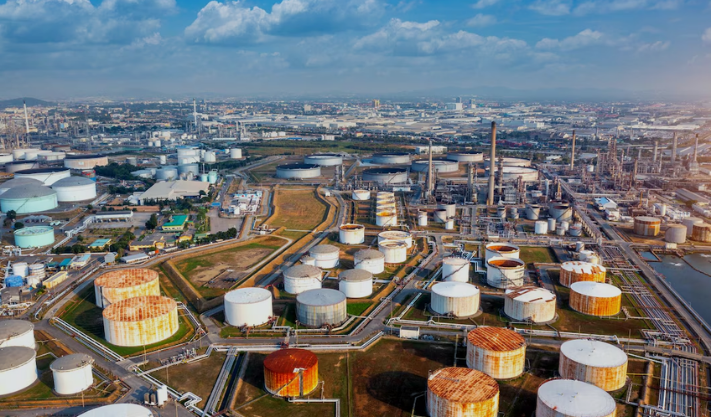
Kuwait has developed extensive infrastructure for oil production, refining, processing, transportation and exports. Natural gas is also becoming increasingly important as a source of energy for electricity generation and industrial activities.
Oil and gas support several key areas, including:
- Electricity generation
- Water desalination
- Transportation
- Industrial production
- Petrochemical manufacturing
- Domestic energy consumption
- Government revenue
- International energy exports
This means hydrocarbons are not simply commodities that Kuwait sells to international markets. They are also essential to the country’s domestic energy security and economic activity.
Why Is Oil So Important to Kuwait?
Oil is particularly important because Kuwait has substantial petroleum resources and has built much of its economy around the oil industry.
Oil exports are a major source of government revenue and help support public services, infrastructure, development projects and other areas of government spending.
Kuwait also has significant refining and petrochemical capabilities. These facilities allow the country to process crude oil into refined petroleum products and other higher-value products.
As a result, the oil industry benefits Kuwait in two major ways: it supplies energy and creates economic value.
This also means that changes in global oil prices, international demand and energy-market conditions can have a significant impact on Kuwait’s economy.
How Important Is Natural Gas to Kuwait?
Natural gas is becoming increasingly important as Kuwait’s domestic energy demand grows.
Gas is used as a fuel for electricity generation and industrial activities. Greater use of natural gas can also help Kuwait reduce its reliance on oil for domestic power generation.
This is strategically important because using oil for domestic electricity generation means consuming resources that could otherwise potentially be exported or used for higher-value applications.
Natural gas can therefore help Kuwait balance two important objectives: meeting domestic energy demand while maximizing the economic value of its oil resources.
For this reason, natural gas is an important part of Kuwait’s strategy for maintaining a reliable domestic energy supply.
Does Kuwait Use Oil and Gas to Generate Electricity?
Yes. Oil and natural gas are the main fuels used to generate electricity in Kuwait.
Kuwait’s electricity system has historically depended heavily on fossil fuels. This dependence is partly related to the country’s climate and high electricity demand.
During Kuwait’s extremely hot summer months, air conditioning creates significant electricity demand. Homes, businesses, industries and public facilities all require large amounts of cooling.
Because electricity consumption is strongly connected to cooling requirements, Kuwait needs a substantial and reliable fuel supply for power generation.
Historically, oil and natural gas have provided that reliable energy supply.
However, as renewable-energy generation expands, Kuwait could gradually reduce the amount of oil and gas used for domestic electricity generation.
Why Are Oil and Gas Important for Kuwait’s Water Supply?
Oil and gas also have an important indirect role in Kuwait’s water security.
Kuwait is one of the world’s most water-scarce countries and relies heavily on desalination to produce freshwater.
Desalination is energy-intensive, meaning Kuwait needs a reliable supply of electricity and fuel to operate desalination plants.
This creates a strong connection between Kuwait’s energy security and water security.
When electricity generated from oil and natural gas is used to power desalination facilities, hydrocarbons indirectly help supply freshwater to homes, businesses and industries.
Therefore, reliable energy is essential not only for Kuwait’s electricity supply but also for its water infrastructure.
How Does Oil and Gas Affect Kuwait’s Economy?
The importance of oil and gas extends far beyond Kuwait’s energy sector.
Hydrocarbons have historically been one of the main pillars of Kuwait’s national economy. Oil exports generate substantial foreign-exchange earnings and government revenues.
The oil and gas industry also supports a wide network of related sectors, including:
- Refining
- Petrochemicals
- Transportation
- Engineering
- Construction
- Energy services
- Industrial manufacturing
Because of this connection, Kuwait’s energy policy is closely linked to its wider economic strategy.
The challenge for Kuwait is to preserve the economic benefits of its hydrocarbon resources while preparing for a global energy market that is increasingly focused on energy efficiency, renewable energy and lower-carbon technologies.
Does Kuwait Have Oil and Natural Gas?
Yes. Kuwait is one of the major hydrocarbon-producing countries in the Middle East.
Its substantial petroleum resources have played a major role in shaping the country’s economy and international position.
Although oil receives most of the attention, natural gas is also strategically important because of its role in electricity generation and industrial development.
Kuwait’s hydrocarbon resources provide the country with a significant economic and strategic advantage. However, managing these resources efficiently will become increasingly important as global energy markets continue to evolve.
Is Kuwait Trying to Reduce Its Dependence on Oil and Gas?
Yes, but gradually.
Kuwait recognizes that heavy dependence on hydrocarbons can create long-term economic and environmental challenges. As a result, the country is working to diversify its energy mix.
Renewable energy is an important part of this strategy.
Kuwait has strong potential for solar power because of its high levels of sunlight. Large-scale solar projects can generate electricity without directly consuming oil or natural gas.
Energy efficiency is another major area of focus. Reducing unnecessary electricity consumption can lower fuel demand and help Kuwait manage the cost of meeting its growing energy requirements.
However, diversification does not mean Kuwait plans to stop using oil and gas.
Instead, the country is moving toward a more diversified energy system in which hydrocarbons remain important while renewable energy gradually expands.
What Is Kuwait’s Renewable Energy Goal?
Kuwait has established renewable-energy targets as part of its efforts to diversify electricity generation.
The country aims to increase the share of renewable energy in electricity generation, with a target of approximately 15% by 2030.
Solar energy is expected to be particularly important because Kuwait has abundant solar resources.
Projects such as the Shagaya renewable-energy development are intended to increase Kuwait’s renewable-energy capacity and demonstrate the potential of large-scale clean electricity generation.
The growth of renewable energy could also help Kuwait reduce the amount of oil and natural gas consumed domestically for power generation.
Can Renewable Energy Replace Oil and Gas in Kuwait?
No, not in the near future.
Renewable energy will become more prominent, but oil and gas are likely to remain vital to Kuwait’s energy sector and economy for many years.
There are several reasons for this:
- Kuwait has extensive oil and gas infrastructure.
- Hydrocarbons remain important sources of government revenue.
- Oil and gas are major export commodities.
- Electricity demand continues to grow.
- Desalination requires reliable energy.
- Renewable energy requires significant investment in generation and grid infrastructure.
- Oil and gas remain important for industrial and petrochemical activities.
The most realistic path for Kuwait is therefore gradual energy diversification rather than the complete replacement of oil and gas.
Why Is Energy Diversification Important for Kuwait?
Energy diversification can provide Kuwait with several economic, environmental and strategic benefits.
1. It Can Reduce Domestic Fuel Consumption
As Kuwait generates more electricity from solar and other renewable sources, it could reduce the amount of oil and natural gas consumed domestically for power generation.
2. It Can Preserve Hydrocarbons for Export
Lower domestic consumption could potentially allow more oil and gas to remain available for international markets and higher-value industrial applications.
3. It Can Improve Energy Security
A diversified energy mix gives Kuwait more sources of electricity and reduces dependence on a single type of fuel.
4. It Can Help Reduce Emissions
Renewable electricity can reduce emissions associated with fossil-fuel-based power generation.
5. It Can Support Economic Diversification
Renewable-energy projects can create opportunities in investment, engineering, technology, infrastructure development and new industries.
For Kuwait, renewable energy is therefore more than an environmental issue. It is also connected to energy security, economic resilience and long-term development.
What Are the Key Challenges Facing Kuwait’s Energy Sector?
Kuwait’s energy sector faces several important challenges, with rising electricity demand being one of the biggest.
The country’s extremely hot climate means cooling systems consume significant amounts of electricity, particularly during summer.
Population growth, urbanization and industrial development can further increase energy consumption.
Other major challenges include:
- Heavy reliance on fossil fuels
- Growing electricity demand
- High summer cooling requirements
- Energy-intensive water desalination
- The need to reduce carbon emissions
- Renewable-energy infrastructure requirements
- Improving energy efficiency
- Long-term economic diversification
Overcoming these challenges will require Kuwait to maintain a reliable energy supply while gradually increasing renewable-energy generation and improving energy efficiency.
What Is the Future of Oil and Gas in Kuwait?
Kuwait’s energy sector is likely to remain dominated by oil and natural gas for the foreseeable future.
However, the role of renewable energy is expected to increase.
Instead of using hydrocarbons for all domestic energy requirements, Kuwait can gradually use more renewable electricity to meet part of its power demand.
This could allow oil and gas to remain important for exports, petrochemicals, industry and other higher-value applications while renewable energy supplies a growing share of electricity.
The likely future energy model for Kuwait is therefore a combination of continued hydrocarbon strength and expanding renewable energy.
FAQs
Is Kuwait dependent on oil and gas?
Yes. Kuwait continues to rely heavily on oil and natural gas for electricity generation, industrial activity, exports and government revenues.
What Is Kuwait’s Main Energy Source?
Oil and natural gas are Kuwait’s primary energy sources. They dominate electricity generation and support major parts of the country’s economy.
What Is the Importance of Oil to Kuwait?
Oil is important because it supplies energy, supports industries, generates export earnings and contributes significantly to government revenues.
Why Is Natural Gas Important to Kuwait?
Natural gas is an important fuel for electricity generation and industrial processes. It can also help reduce the amount of oil Kuwait needs to consume domestically.
Does Kuwait Have Its Own Oil and Gas?
Yes. Kuwait is a major oil-producing country with substantial hydrocarbon resources and an established oil and gas industry.
Is There Renewable Energy in Kuwait?
Yes. Kuwait is developing renewable-energy projects, particularly solar-power projects, to diversify its electricity generation.
What Is the Best Renewable Energy Source for Kuwait?
Solar energy is one of Kuwait’s strongest renewable-energy opportunities. The country receives abundant sunlight, making large-scale solar power a promising option for future electricity generation.
What Is Kuwait’s Renewable Energy Goal?
Kuwait aims to increase renewable energy’s contribution to electricity generation, with a target of approximately 15% by 2030.
Is Kuwait Turning Away From Oil Toward Solar Energy?
No, not in the short term. Solar power is expected to complement oil and gas rather than immediately replace them.
Why Does Kuwait Need So Much Energy?
Kuwait has high electricity demand because of its hot climate, extensive air-conditioning requirements, population growth, industrial activity and energy-intensive desalination sector.
What Is the Biggest Challenge Facing Kuwait’s Energy Industry?
One of the biggest challenges is meeting increasing electricity demand while reducing dependence on fossil fuels and maintaining a reliable and affordable energy supply.
What Is the Future of Kuwait’s Energy Sector?
Oil and natural gas are likely to remain dominant, but Kuwait is expected to gradually integrate more renewable energy and energy-efficiency measures into its energy system.
Conclusion
Oil and gas are the backbone of Kuwait’s energy sector and economy. They meet most of the country’s energy needs, support electricity generation and water desalination, power industries, generate export revenues and contribute significantly to national economic activity.
At the same time, Kuwait is preparing for a changing energy landscape. Renewable energy, particularly solar power, is likely to play a growing role as the country works to diversify its electricity mix, reduce domestic fossil-fuel consumption and improve long-term energy security.
The most likely future is not a rapid transition away from oil and gas. Instead, Kuwait is expected to pursue a balanced energy strategy in which oil and natural gas remain economically and strategically important while renewable energy gradually takes a larger role in electricity generation.
In simple terms, oil and gas will continue to power Kuwait’s present, while renewable energy is helping shape its energy future.
Also Read:-
Founders Who Turned Rejection Into Reinvention and Success
Bahrain Economy: Latest Financial Developments in 2026
How Can You Start a Business as an Entrepreneur in Qatar?