Has the War Ended? 10 Simple Points About the US-Iran Ceasefire
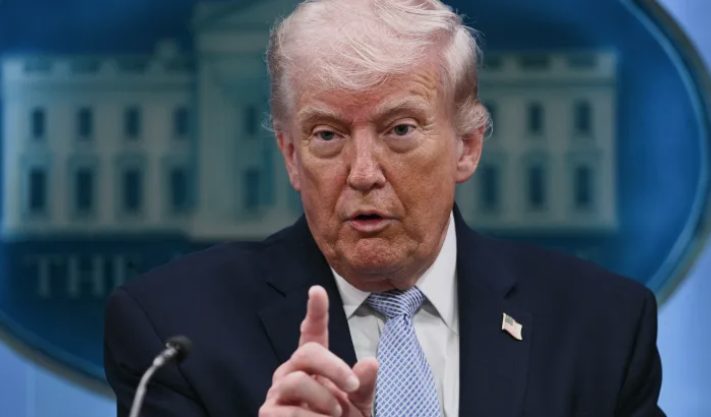
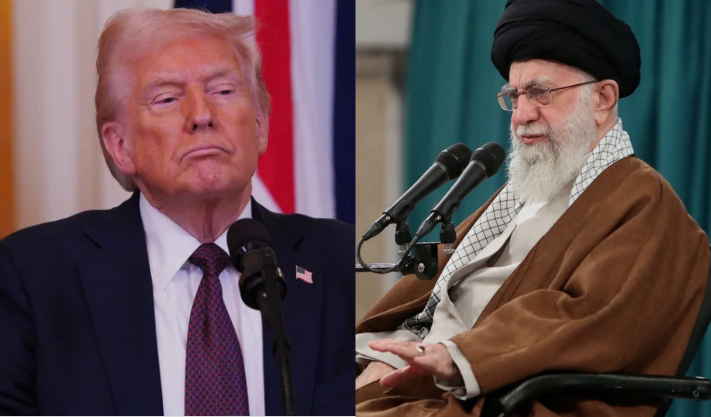
The United States and Iran have agreed to a temporary pause in fighting, but the conflict is not over yet. US President Donald Trump announced a two-week suspension of planned military strikes on Iran. This decision is linked to Iran’s willingness to reopen the Strait of Hormuz and start talks.
This pause has created a small chance for diplomacy. However, there is no clear sign that the conflict has fully ended. Tensions are still high, and both sides remain cautious.
Earlier, Trump had used strong language and even threatened severe action against Iran. But later, mediators stepped in and helped reduce tensions. Trump said the US had already achieved its military goals and hinted that a larger agreement might be close.
At the same time, Iran has shown some willingness to cooperate—but only under certain conditions. It has agreed to a temporary ceasefire and proposed a broader peace plan. However, Iran has made it clear that it will stop military actions only if attacks against it also stop.
Meanwhile, the situation on the ground is still unstable. Missile activity in the Gulf region and ongoing Israeli operations show that the conflict is not fully under control.
Here are 10 key points to understand the current situation:
1. A Temporary Ceasefire
The ceasefire will last only two weeks. It is not a permanent solution but a short pause to allow talks to happen.
Trump called it a “double-sided ceasefire,” meaning both sides are expected to hold back. However, officials from both countries have said the agreement is temporary and can change at any time.
Iran’s security council has also said clearly that this does not mean the war is over. It is only a tactical pause. Iran warned that its forces are still ready and will respond strongly if attacked.
2. The Strait of Hormuz Is Key
One of the main issues is the Strait of Hormuz. This is a very important route for global oil supply, with about 20% of the world’s oil passing through it.
The US wants the strait to reopen fully, safely, and immediately. This is a major condition for stopping military strikes.
Iran has agreed in principle but added conditions. It said ships can pass safely only with coordination from its military and under certain technical limits. Since the start of the conflict, Iran has used this route as a powerful bargaining tool.
3. Iran Wants Equal Action
Iran has not agreed to stop fighting unconditionally.
Its foreign minister said that Iran will stop its defensive military actions only if attacks against the country are stopped first.
This shows a lack of trust between the two sides. If either side believes the other has broken the agreement, the ceasefire could quickly fail. Also, what counts as “defensive action” is not clearly defined, which adds more uncertainty.
4. Talks Expected in Islamabad
During the two-week pause, formal talks between the US and Iran are expected to take place in Islamabad, Pakistan.
Trump said he decided to delay military action after discussions with Pakistan’s leadership. They requested him to give diplomacy a chance instead of continuing attacks.
Iran has confirmed it will take part in these talks. This shows that both sides are at least willing to try a diplomatic solution after weeks of rising tension.
5. Iran’s 10-Point Peace Plan
Iran has presented a detailed 10-point plan to end the conflict.
This plan goes beyond a temporary ceasefire and aims for a complete resolution. Some key points include:
- A permanent end to fighting in regions like Iran, Iraq, Lebanon, and Yemen
- Reopening the Strait of Hormuz
- Removal of US sanctions on Iran
- Release of frozen Iranian funds
- Financial support for rebuilding damaged areas
Iran also said it would not pursue nuclear weapons, which is a major concern for the US and its allies.
6. Disagreement Over Nuclear Program
There is confusion about Iran’s nuclear plans due to differences in its proposal.
Reports say the Persian (Farsi) version of Iran’s plan includes the phrase “acceptance of enrichment,” referring to uranium enrichment. However, this phrase is missing from the English version.
This difference is important because the US wants Iran to completely stop its nuclear program. Trump has already rejected Iran’s proposal earlier, calling it unreliable.
This issue could make negotiations more difficult, as it involves one of the most sensitive topics.
7. Military Activity Still Continues
Even with the ceasefire, some military actions are still happening.
There have been reports of missile activity in the Gulf region. Also, Israeli operations have continued. These developments show that the situation remains tense and unpredictable.
This means the ceasefire is fragile and could break at any moment if tensions rise again.
8. Trust Between Both Sides Is Low
The past month has seen increased hostility between the US and Iran. As a result, trust between them is very low.
Both sides are suspicious of each other’s intentions. This makes it harder to maintain the ceasefire and move toward a lasting agreement.
Any small misunderstanding or violation could lead to renewed conflict.
9. The Ceasefire Is Conditional
The current agreement is not fixed or guaranteed.
Both countries have attached conditions to their participation. If these conditions are not met, either side can withdraw and restart military action.
This makes the situation unstable. The ceasefire depends heavily on both sides acting carefully and honestly.
10. Core Issues Are Still Unresolved
The main reasons behind the conflict have not been solved yet.
These include:
- Iran’s nuclear program
- Its influence in the Middle East
- Long-standing political tensions with the US
Even if the ceasefire holds for now, these deeper issues will require long and serious negotiations to resolve.
The Bottom Line
The US-Iran ceasefire is an important step toward reducing tensions, but it is not the end of the war.
It is only a short pause with many conditions. Military activity has not fully stopped, and major disagreements remain.
The next two weeks will be very important. If talks go well, this pause could lead to a longer-term agreement. But if negotiations fail, the conflict could quickly start again.
For now, the situation remains uncertain and fragile.
Also Read:
Global oil prices surge to an all-time record high
Boursa Kuwait to Launch Bonds and Sukuk Platform
Middle East shifts focus from power building to management