Egypt’s goal to reach 42% renewable energy by 2030 is at risk without help from other countries, according to Prime Minister Madbouly
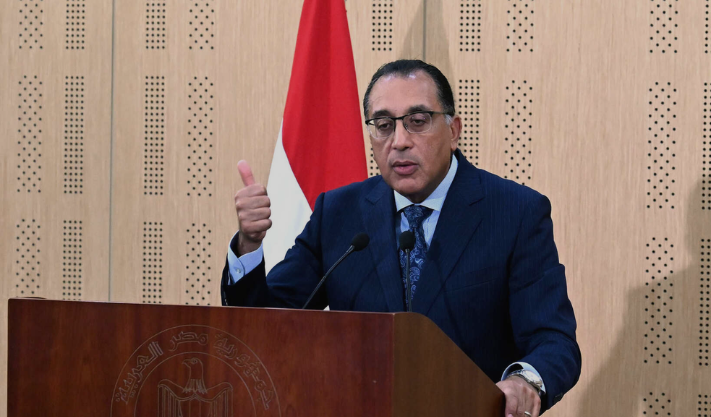
Egypt has restated its goal of generating 42% of its electricity from renewable energy sources by 2030. However, Prime Minister Mostafa Madbouly said that reaching this goal will require more help from other countries.
Egypt’s Clean Energy Goals
At the COP29 conference on Tuesday, Madbouly restated Egypt’s clean energy goals but emphasized the major challenges the country faces due to limited international support, as reported by Reuters.
“Without enough help, we can’t make essential infrastructure improvements, which puts our targets at serious risk,” he explained.
Egypt initially set a goal to reach 42% renewable energy, but in June, former Electricity Minister Mohamed Shaker proposed increasing it to 58% by 2040. However, in October, Minister of Petroleum and Mineral Resources Karim Badawi announced that Egypt had adjusted its 2040 target to 40%, confirming the country’s commitment to natural gas as a key part of its energy plan.
While there is global pressure to adopt more clean energy, Egypt continues to rely on natural gas, calling it a “transitional fuel” at the 2022 COP27 conference, as the country aims to grow renewable energy while still using fossil fuels.
Foreign Investment
Last year, Egypt faced power cuts due to financial issues and a drop in natural gas production. In response, the government sought foreign investment for renewable energy and also increased fossil fuel exploration and use of liquefied natural gas (LNG).
Production at Egypt’s key gas field, Zohr, which once supported its energy independence, has decreased. Output peaked at 3.2 billion cubic feet per day (bcf/d) in 2019 but fell to 1.9 bcf/d by early 2024, forcing Egypt to import more to meet demand.
To improve local energy production, Egypt has focused on paying off debt to foreign oil companies. It owes $1 billion in outstanding payments, despite having just cleared another $1 billion in arrears last week, according to a report from Asharq Business. Since March, the country has repaid $3.5 billion in total arrears.
Since taking office in July, Minister Badawi has met with international energy companies, including Italy’s Eni, which plans to start drilling new wells in the Zohr field by early 2025.
Surprising Fact
Solar, wind, and hydropower make up only 11.5% of Egypt’s electricity, based on a July government report.
Ratings
Fitch Ratings improved Egypt’s credit rating from “B-” to “B” on November 2, thanks to stronger foreign investments, policy changes, and a more stable money system.
Published: 13th November 2024
For more article like this please follow our social media Twitter, Linkedin & Instagram
Also Read:
Exploring the Modern Blend of Tradition and Luxury in Middle Eastern Homes
AD Ports Group Reports Record $1.3B Revenue in Third Quarter Thanks to Strong Growth in Main Business
ADNOC Gas Reports 11% Increase in Third-Quarter Profit to $1.2 Billion Thanks to Strong Revenue Growth