Introduction: The Middle East and Its Significance for Migratory Birds
The Middle East is one of the most important places in the world for migrating birds. It is located between Europe, Asia and Africa and offers important migration routes, feeding grounds, nesting habitats and resting sites for millions of birds migrating between continents.
Every year birds migrate throughout nations such as United Arab Emirates, Saudi Arabia, Oman, Qatar, Bahrain, Kuwait, Jordan, Lebanon, Iraq, Israel, Syria and Yemen. Some arrive in the region in autumn to escape the cold farther north, while others pass through the area in spring on their way to nesting sites.
Many species of migratory birds are hosted by Middle Eastern countries. Examples are Northern Wheatear, European Bee-eater, Barn Swallow, Greater Flamingo, White Stork, Common Crane, Eurasian Hoopoe, Osprey, Eurasian Marsh Harrier, European Roller.
These birds have diverse habitats in the region’s wetlands, beaches, deserts, mountains, agricultural landscapes and freshwater lakes. But migration patterns vary by species, weather, food supply and geographic location.
Understanding these birds is critical for wildlife protection, as migration depends on interconnected habitat across many nations. Protecting wetlands, decreasing pollution and providing safe places to rest can aid migratory species to survive their lengthy treks.
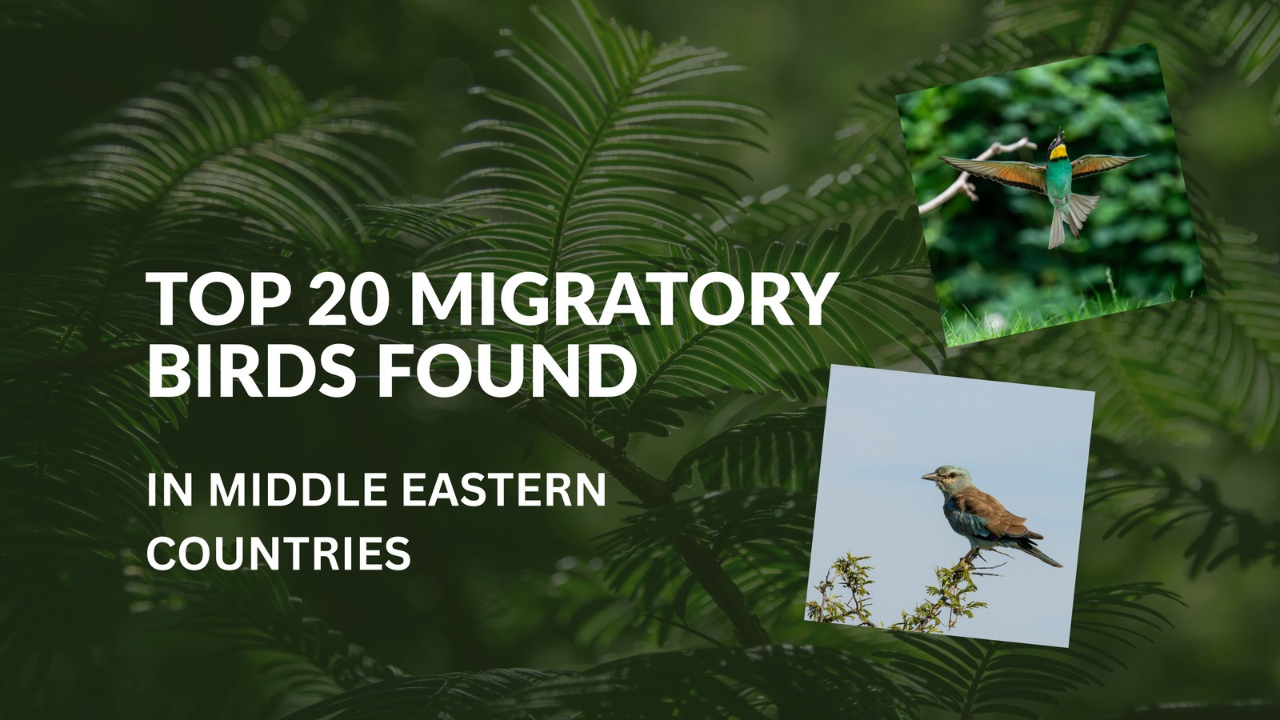
This article describes 20 migrating birds in Middle Eastern countries, including their physical traits, habitat, migration patterns, and ecological value.
Top 20 Migratory Birds in Middle Eastern Countries
White Stork
Where Can White Storks Be Found in the Middle East?
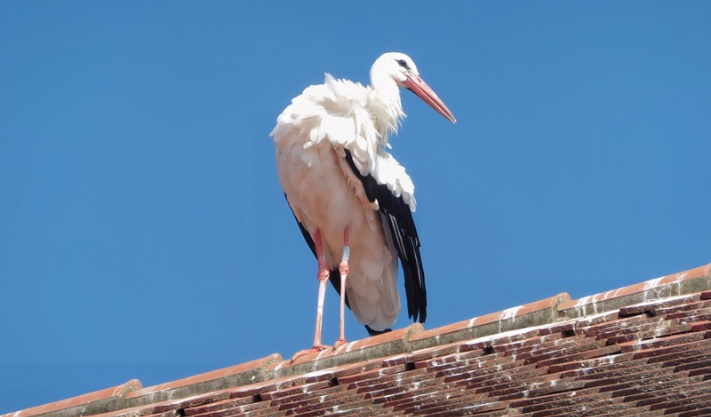
The White Stork is one of the most identifiable migratory birds going through the Middle East. It has a huge white body, black flying feathers, long red legs, and a unique red bill.
White Storks breed across portions of Europe and western Asia before travelling into Africa for the winter. During migration, they traverse via nations such as Jordan, Israel, Lebanon, Syria, Iraq, Egypt, and Saudi Arabia.
These birds like open environments, marshes, agricultural fields, and grasslands where they can gather insects, frogs, tiny reptiles, and other food.
Why Is the White Stork Important?
It helps preserve ecological equilibrium by preying on insects and tiny animals. Its movement also illustrates the need of protecting resting and feeding places across international borders.
Greater Flamingo
Why Do Greater Flamingos Visit Middle Eastern Countries?
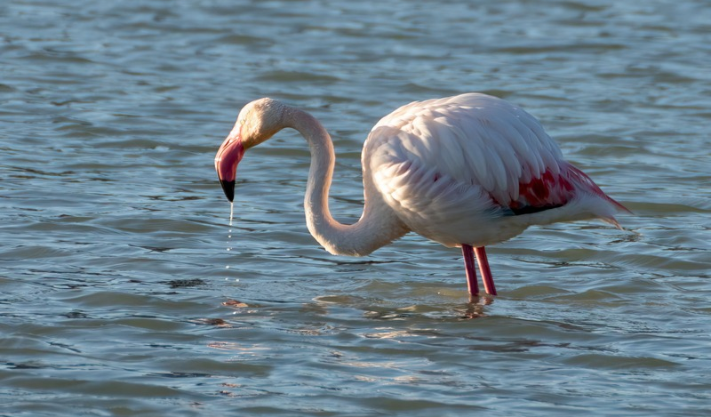
The Greater Flamingo is noted for its long legs, curved bill, pink plumage, and tendency to assemble in huge groups in shallow water.
Greater Flamingos occur in various Middle Eastern nations, including the United Arab Emirates, Oman, Bahrain, Qatar, Kuwait, Saudi Arabia, and Iran. Their movements fluctuate based on water conditions, food availability, and seasonal changes. Some populations are migratory, while others remain in suitable wetlands throughout the year.
They eat largely on algae, microscopic aquatic organisms, and small invertebrates found in shallow lagoons, salt pans, and coastal wetlands.
The UAE is extremely significant for Greater Flamingos. Al Wathba Wetland Reserve in Abu Dhabi supports regular breeding, making it a key conservation site in the Arabian Gulf.
What Makes Flamingos Special?
Their unique bills filter microscopic food particles from water and mud, letting them to live in saline and shallow wetland habitats.
European Bee-Eater

When Do European Bee-Eaters Migrate Through the Middle East?
The European Bee-Eater is a beautiful bird recognisable by its green, yellow, blue, and chestnut plumage. It has a large, slightly curved bill and a slim body that helps it collect insects while flying.
European Bee-Eaters breed across portions of Europe and western Asia. They fly towards Africa throughout fall, passing across the Middle East and the Arabian Peninsula.
They can be witnessed in countries like as Saudi Arabia, Jordan, Israel, Lebanon, Iraq, Oman, and the UAE, depending on the migratory season and local conditions.
Their food consists mostly of flying insects, including bees, wasps, dragonflies, and other insects. They often perch on exposed branches or wires before flying out to hunt their meal.
Why Are European Bee-Eaters Important?
They contribute to natural insect population control and are an interesting indicator of seasonal bird movement across the region.
Barn Swallow
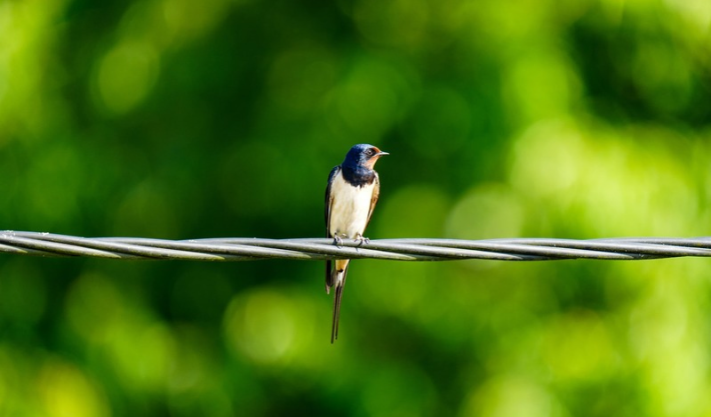
Where Do Barn Swallows Spend the Winter?
The Barn Swallow is a small, fast-flying bird with a dark blue upper body, crimson forehead and throat, light underparts, and a sharply forked tail.
It breeds in Europe, Asia, and parts of the Northern Hemisphere before migrating towards warmer locations, including Africa and southern Asia.
During its migration, the Barn Swallow crosses through Middle Eastern countries such as Jordan, Lebanon, Israel, Syria, Iraq, Egypt, Saudi Arabia, and the United Arab Emirates.
Barn Swallows are frequently linked with open countryside, agricultural areas, marshes, villages, and urban environments. They prey on flying insects, catching them while moving through the air.
Why Do Barn Swallows Migrate?
Seasonal fluctuations in temperature and insect availability influence their migrations. Migration permits them to obtain suitable breeding and feeding conditions throughout the year.
Common Crane
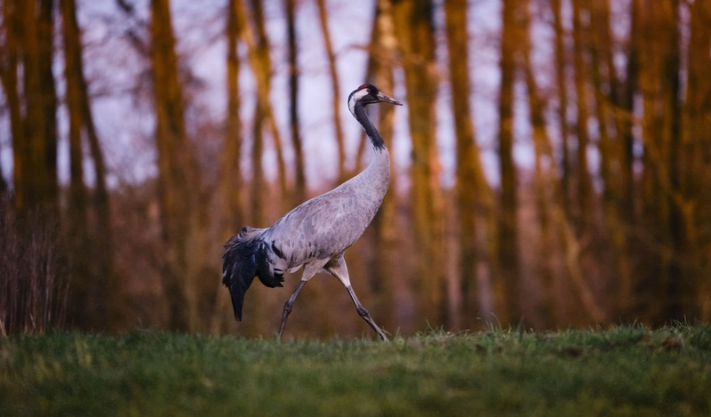
Which Middle Eastern Countries Attract Common Cranes?
The Common Crane is a tall, graceful bird with long legs, a long neck, grey plumage, and a unique red patch on its head.
Common Cranes breed in northern Europe and Asia. During fall, many fly towards warmer wintering areas, including sections of the Middle East, North Africa, and southern Asia.
They are reported in nations such as Iran, Iraq, Turkey, Israel, Jordan, and possibly other parts of the region depending on their migration routes and wintering conditions.
Common Cranes use marshes, agricultural areas, grasslands, and shallow lakes for feeding and resting. Their food includes seeds, roots, cereals, insects, and small mammals.
They generally migrate in flocks and create loud, distinctive sounds that can be heard across large distances.
Why Are Common Cranes Important?
Their dependence on wetlands and open landscapes makes them useful indicators of habitat conditions and the ecological health of migration areas.
Black Stork

What Makes the Black Stork Different From the White Stork?
The Black Stork is a large migratory bird with mostly dark, glossy plumage, white underparts, long red legs, and a red bill.
Unlike the White Stork, which commonly favours open agricultural landscapes and settlements, the Black Stork often prefers quieter marshes, rivers, forested areas, and freshwater habitats.
It breeds in portions of Europe and Asia and migrates to Africa and other warmer wintering locations. Its migratory movements encompass the Middle East, with birds recorded as going through Jordan, Israel, Lebanon, Syria, Iraq and Egypt.
The Black Stork’s diet consists of fish, amphibians, insects and other tiny aquatic creatures. They will often hunt their food in shallow water.
Why Is the Black Stork Important for Conservation?
It relies on healthy water habitats and undisturbed feeding grounds. Its migration and survival may also be affected by wetland degradation and human disturbance.
Osprey

Are Ospreys Present on Middle Eastern Coastlines?
The Osprey is a special bird of prey that eats fish. It has long wings, a white belly, dark eye patches and a brown back.
Ospreys are widely distributed and many populations are migratory, breeding in the north and wintering in warmer areas. Middle Eastern coastal areas, rivers, lakes, and wetlands provide crucial feeding options throughout these excursions.
They can be viewed in sections of the UAE, Oman, Saudi Arabia, Qatar, Bahrain, Kuwait, Jordan, Israel, and Egypt.
Their food consists mostly of fish. Ospreys hover above the water before diving feet-first to seize prey with their formidable talons.
What Makes Ospreys Effective Hunters?
Their unique feet, sharp claws, and reversible outer toes let them grab slippery fish securely.
Eurasian Hoopoe
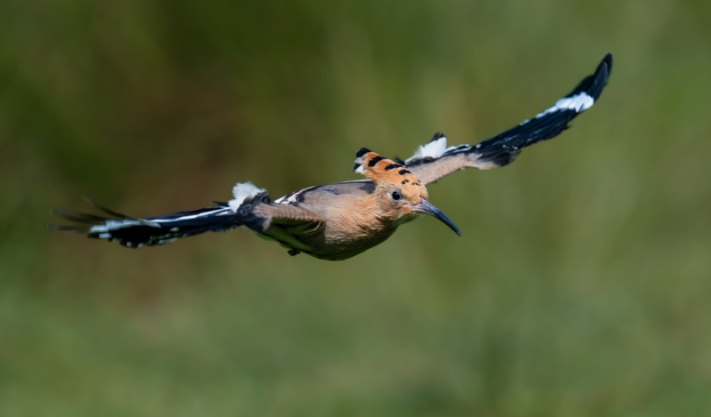
Why Is the Eurasian Hoopoe Recognized Easily?
The Eurasian Hoopoe is noted for its orange-brown body, black-and-white striped wings, long curved bill, and large fan-shaped crest.
Its populations have diverse migration patterns. Some birds remain in regions of the Middle East throughout the year, while others move seasonally between breeding and wintering sites.
The species can be found across Saudi Arabia, Jordan, Israel, Lebanon, Iraq, Oman, and the UAE.
Eurasian Hoopoes enjoy open woods, gardens, arable land, meadows, and locations with appropriate ground cover. They use their lengthy bills to look for insects, larvae, beetles, and other small invertebrates.
Are All Eurasian Hoopoes Migratory?
No. Migration varies by population and geographical area. Some are resident, while others move seasonally.
This distinction is crucial since not every bird spotted in the Middle East is necessarily passing through on a long-distance journey.
Eurasian Marsh Harrier
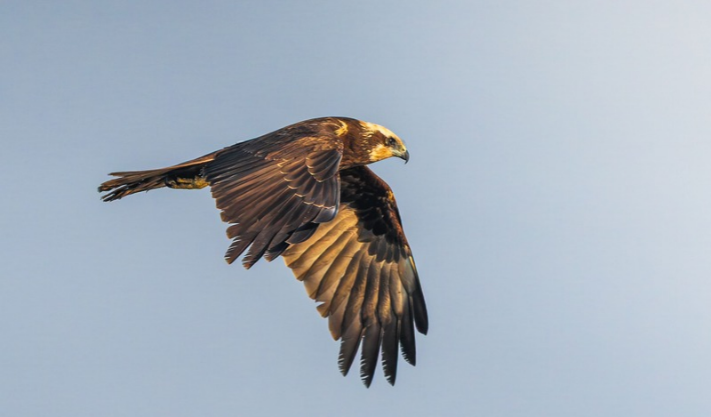
Where Does the Eurasian Marsh Harrier Find Food?
The Western Marsh Harrier is a medium-to-large bird of prey that is often seen flying low over marshes, reed beds, lakes, and wetlands.
It has broad wings and a long tail that help it glide while searching for prey. Adult males and females have different plumage patterns, making identification interesting for birdwatchers.
Some populations migrate from northern and central Europe towards warmer regions in the Middle East and Africa. The bird is recorded in countries such as Iraq, Iran, Jordan, Israel, Lebanon, Syria, and Egypt.
Its diet includes small mammals, birds, amphibians, and other animals found in wetland environments.
Why Are Marsh Harriers Important?
They help regulate populations of small animals and depend on healthy wetlands for hunting, resting, and breeding.
European Roller
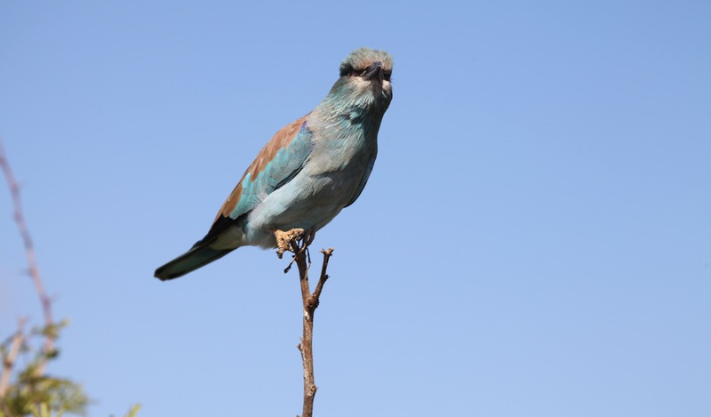
What Is Special About the European Roller?
The European Roller is known for its vivid turquoise-blue and green plumage, reddish-brown back, and strong flight.
It breeds in parts of Europe and western Asia before travelling to sub-Saharan Africa for the winter. During migration, it crosses sections of the Middle East, including Jordan, Israel, Lebanon, Syria, Iraq, and parts of the Arabian Peninsula.
European Rollers prefer open landscapes with scattered trees, grasslands, agricultural areas, and suitable nesting sites.
They feed on large insects, beetles, grasshoppers, and occasionally small reptiles. They often watch for prey from an exposed branch before swooping down to catch it.
When Is the European Roller Most Likely to Be Seen?
Spring and autumn are important observation periods, although exact arrival and departure dates differ between locations and years.
Black Kite
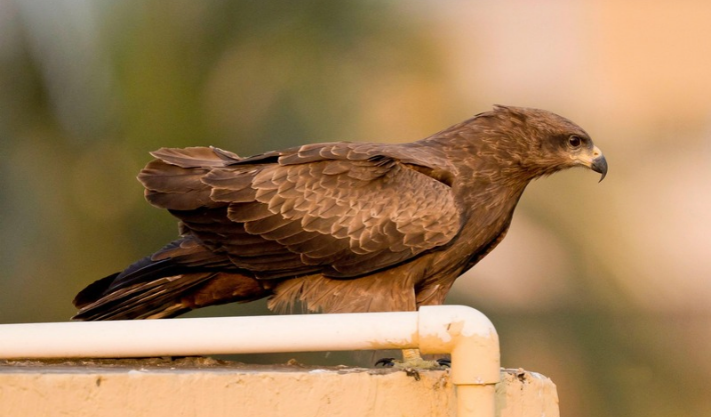
Why Is the Black Kite Commonly Seen During Migration in the Middle East?
The Black Kite is a medium-sized raptor with dark brown plumage, broad wings, and a slightly forked tail. It is an adaptable bird that can survive in different landscapes, including coastal areas, agricultural regions, grasslands, and urban environments.
Large numbers of Black Kites migrate through the Middle East, particularly along the Red Sea migration corridor. Egypt, Saudi Arabia, Jordan, Israel, and other nearby countries provide important passage routes.
The species feeds on small mammals, insects, fish, carrion, and occasionally discarded food. Its flexible diet helps it survive in different environments.
Why Is the Black Kite Important?
It contributes to ecosystem health by consuming carrion and helping control populations of smaller animals. Its large-scale migration makes it an important species for regional bird monitoring.
European Honey Buzzard

Where Does the European Honey Buzzard Migrate?
The European Honey Buzzard is a medium-sized raptor that travels between European breeding grounds and African wintering areas. It is particularly interesting because its diet consists largely of wasp and bee larvae.
During migration, European Honey Buzzards use routes through the eastern Mediterranean, the Middle East, and the Red Sea region. They can be observed in Egypt, Jordan, Israel, Lebanon, and surrounding areas.
This bird has relatively long wings, a small head, and variable brown plumage. It often uses rising warm air currents, known as thermals, to gain altitude and travel efficiently.
What Does the European Honey Buzzard Eat?
Its main food includes wasp and bee larvae, although it may also consume other insects and small animals.
Its migration highlights the importance of protecting landscapes that provide both food and safe resting locations.
Levant Sparrowhawk

Why Is the Levant Sparrowhawk Important for Middle Eastern Bird Migration?
The Levant Sparrowhawk is a small, agile raptor that is particularly associated with migration through the eastern Mediterranean and the Middle East.
It breeds in parts of southeastern Europe and western Asia before travelling towards eastern and southern Africa for the winter.
Jordan, Israel, Lebanon, Syria, and Egypt are among the important areas associated with its migration. Large groups may pass through favourable geographical corridors during seasonal movements.
Levant Sparrowhawks have relatively long wings and a slender appearance. They mainly feed on small birds, insects, and other small animals.
When Can Birdwatchers Observe Levant Sparrowhawks?
Autumn and spring are the main migration periods. During these seasons, birds may be observed moving in groups through mountain passes and other geographical bottlenecks.
Their journeys illustrate the importance of countries working together to protect migratory birds across borders.
Steppe Eagle
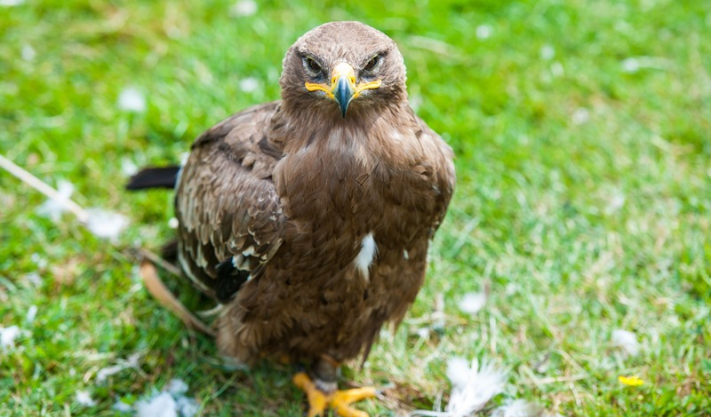
Which Middle Eastern Countries Are Important for Steppe Eagles?
The Steppe Eagle is a powerful bird of prey associated with open grasslands and steppe environments. It has broad wings, dark brown plumage, and a strong hooked bill.
Steppe Eagles breed across parts of Central Asia and migrate towards warmer wintering areas in Africa, the Middle East, and South Asia.
They are recorded in countries including Saudi Arabia, Oman, the United Arab Emirates, Iraq, Iran, and other parts of the region. Some birds use the Arabian Peninsula as a wintering destination, while others pass through during migration.
Their diet includes small mammals, reptiles, birds, and carrion. They often search for food while soaring over open landscapes.
Why Is Steppe Eagle Conservation Important?
The species faces threats from habitat changes, poisoning, electrocution, and collisions with infrastructure. Protecting migration corridors and reducing these dangers are important for its long-term survival.
Pallid Harrier

Where Can You Find Pallid Harriers in the Middle East?
The Pallid Harrier is a graceful raptor known for its slender body, long wings, and low-flying hunting style.
It breeds in parts of eastern Europe and Central Asia and migrates towards Africa and South Asia. The Middle East provides important passage and wintering areas for this species.
Pallid Harriers can be observed in countries such as Iraq, Iran, Jordan, Israel, Saudi Arabia, and other areas along their migration routes.
They generally prefer open habitats, including grasslands, agricultural fields, marshes, and semi-desert landscapes.
Their diet consists mainly of small mammals and birds, which they locate while flying close to the ground.
What Makes Pallid Harriers Different From Other Birds of Prey?
Their lightweight bodies and low, controlled flight allow them to search efficiently for prey across open landscapes.
Lesser Spotted Eagle

Why Does the Lesser Spotted Eagle Travel Through the Middle East?
The Lesser Spotted Eagle is a medium-sized eagle that breeds across parts of eastern and central Europe and western Asia.
It performs long seasonal travels towards African wintering grounds, often using migration routes that cross through the eastern Mediterranean, the Middle East, and the Red Sea region.
Egypt, Jordan, Israel, Lebanon, Syria, and adjacent countries are key geographical areas for observing its movements.
This eagle has brown plumage, large wings, and a formidable hooked bill. It feeds on small mammals, reptiles, amphibians, insects, and occasionally birds.
Like many other soaring raptors, it employs thermal air currents to decrease the energy needed for long-distance flying.
Why Should Lesser Spotted Eagles Be Protected?
Their migration depends on sufficient resting spots and safe flying passages. Habitat destruction, illicit killing, and unsafe electrical infrastructure can imperil their communities.
Little Stint
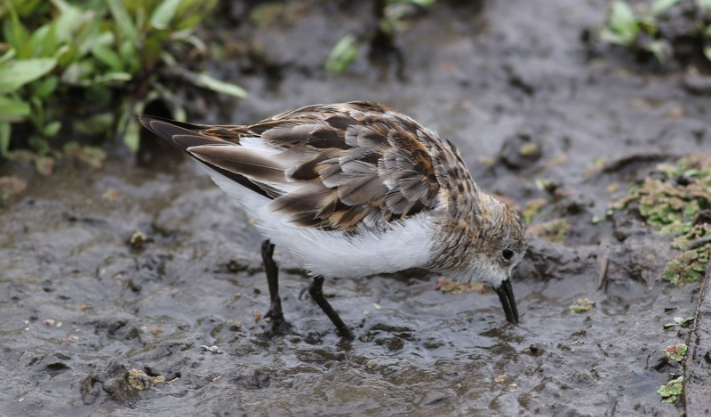
How Does the Little Stint Survive Long-Distance Migration?
The Little Stint is a little shorebird that makes amazing migratory travels between northern breeding sites and warmer wintering locations.
It has a small body, short bill, somewhat short legs, and a fast feeding habit. During migration, it uses marshes, mudflats, coastal lagoons, salt pans, and shallow freshwater habitats.
Little Stints are found in various Middle Eastern nations, including the UAE, Oman, Qatar, Bahrain, Kuwait, Saudi Arabia, Iraq, and Egypt.
They eat on microscopic insects, worms, crustaceans, and other tiny invertebrates found in wet muck and shallow water.
Why Are Middle Eastern Wetlands Vital to Little Stints?
These environments provide crucial feeding and resting opportunities during long migration routes. The loss of coastal wetlands can restrict the number of suitable stopover locations.
Ruff
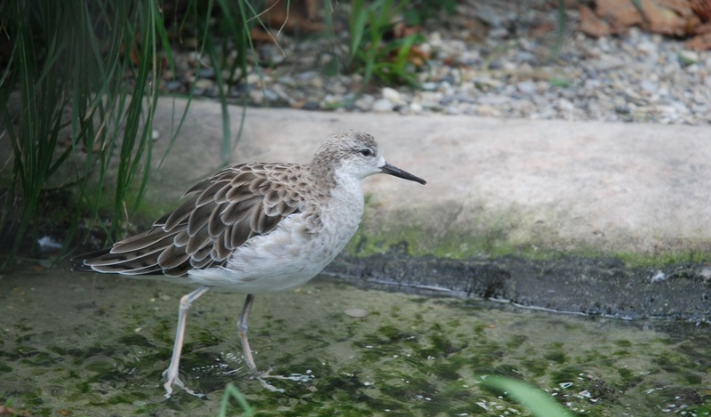
Why Is the Ruff an Interesting Migratory Shorebird?
The Ruff is a medium-sized wading bird notable for its distinctive breeding appearance. During the breeding season, males can acquire intricate ornamental feathers around their necks, with various individuals displaying varying hues and designs.
Ruffs breed in northern Eurasia and move towards warmer wintering locations, including Africa and parts of South Asia. Their migrations transport them through wetlands and coastal areas in the Middle East.
They can be found in suitable habitats across Iraq, Iran, Kuwait, Saudi Arabia, the UAE, Oman, Jordan, and other regional regions.
Ruffs feed on insects, worms, seeds, and small aquatic invertebrates. They use their bills to seek for food in damp muck and shallow water.
What Makes the Ruff Unusual?
Its breeding display is particularly distinctive, with males assembling at customary display places where they compete for the attention of females.
Common Sandpiper
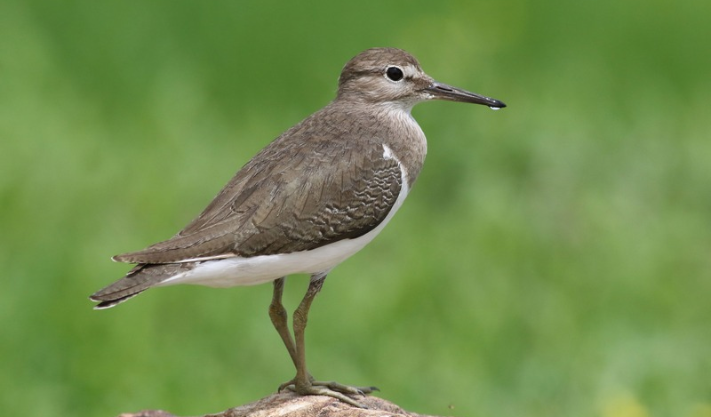
Where Does the Common Sandpiper Stop During Migration?
The Common Sandpiper is a little shorebird identifiable by its brown upperparts, pale underparts, short legs, and characteristic bobbing action.
It breeds across portions of Europe and Asia and migrates into warmer locations in Africa and southern Asia. During these treks, the Middle East provides crucial eating and resting spots.
Common Sandpipers can be spotted around rivers, lakes, reservoirs, coastal areas, and wetlands in nations like as Jordan, Lebanon, Israel, Iraq, Saudi Arabia, Oman, and the UAE.
They feed on insects, tiny crustaceans, worms, and other invertebrates found near water.
Why Does the Common Sandpiper Need Healthy Freshwater Habitats?
Rivers and lakes provide critical food supplies and resting areas. Pollution, water extraction, and the removal of natural riverbanks might restrict the availability of suitable habitats.
Garganey

Why Is the Garganey an Important Migratory Duck in the Middle East?
The Garganey is a tiny migratory duck that moves between northern breeding sites and milder wintering locations.
Male Garganeys are distinguished by their brown heads, prominent white eyebrow-like stripes, and striped bodies. Females have more subtle brown plumage that promotes camouflage in marsh vegetation.
The species migrates through various Middle Eastern countries, including Iraq, Iran, Jordan, Israel, Saudi Arabia, Kuwait, and the United Arab Emirates.
Garganeys like shallow freshwater wetlands, marshes, lakes, and flooded agricultural regions. They graze on water plants, seeds, insects, and small invertebrates.
When Can Garganeys Be Seen in the Middle East?
Spring and autumn are crucial migration seasons, however some populations also use regional wetlands as wintering homes.
Their presence underlines the necessity of safeguarding freshwater habitats and sustaining acceptable wetland conditions throughout the year.
Which Middle Eastern Countries Are Best for Observing Migratory Birds?
Different Middle Eastern countries present different birdwatching chances owing of their geographical positions, beaches, marshes, mountains, and desert settings.
Some locations are especially important for viewing seasonal migration.
United Arab Emirates
The UAE provides important coastal wetlands, lagoons, mangroves, and protected natural areas. Greater Flamingos, shorebirds, waders, and various migrating raptors can be spotted in ideal settings.
Al Wathba Wetland Reserve and Bul Syayeef are noteworthy places for bird conservation and observation.
Saudi Arabia
Saudi Arabia lies along significant north-south and east-west migration routes. Its Red Sea coastline, wetlands, mountains, and desert environments sustain a large range of migratory species.
Western Saudi Arabia is particularly essential for birds travelling towards Yemen and the Bab al-Mandab route into Africa.
Jordan
Jordan is located along the Great Rift Valley and Red Sea migratory corridor. The Jordan Valley provides vital stopover sites for storks, eagles, harriers, and other migrating species.
Its geographical position makes it an especially ideal spot for seeing soaring birds during spring and autumn.
Egypt
Egypt is a significant migration destination and passage country, particularly along the Red Sea and Nile Valley. Black Kites, Common Cranes, Levant Sparrowhawks, and other migratory raptors use its geographical corridors.
Wetlands and coastal settings provide significant feeding and resting habitats.
Kuwait
Kuwait is situated on the northern end of the Arabian Gulf, where many migration routes intersect. Kuwait Bay and adjacent wetlands attract migrating waterbirds, shorebirds, and other species.
Its position between Eurasia, the Arabian Peninsula, and Africa makes it an important place for seasonal bird movements.
When Is the Best Time to See Migratory Birds in the Middle East?
The ideal period to watch migratory birds in the Middle East is often around spring and autumn. These seasons correlate to the primary movements between northern breeding grounds and southern wintering regions.
Spring Migration (March to May)
During spring, numerous birds move north towards Europe and Asia to reach their breeding grounds. Wetlands, coasts, mountain passes, and agricultural landscapes become significant resting and feeding areas.
Birdwatchers may spot storks, eagles, bee-eaters, swallows, and various kinds of shorebirds during this period.
Autumn Migration (September to November)
Autumn is another major migration period when birds travel south towards warmer wintering areas. Many species cross the Middle East while moving towards Africa and southern Asia.
Raptors, cranes, waterbirds, and smaller songbirds can be observed at suitable migration sites.
Winter Season (December to February)
Some migratory birds remain in the Middle East throughout winter because of its relatively warmer conditions and available food resources.
Wetlands, coastal lagoons, and freshwater lakes can attract ducks, flamingos, shorebirds, and other winter visitors.
Why Is the Middle East an Important Bird Migration Corridor?
The Middle East connects three major geographical regions: Europe, Asia, and Africa. Its position makes it an essential part of the African-Eurasian and Central Asian migration systems.
Birds use several routes across the region, including the Mediterranean, the Jordan Valley, the Red Sea, and the Arabian Peninsula.
The Great Rift Valley and Red Sea corridor are particularly important for soaring birds such as eagles, storks, and buzzards. These birds use rising warm air currents to travel long distances while conserving energy.
Migration routes are not identical for every species. Some birds travel through the eastern Mediterranean, while others cross the Arabian Peninsula or follow coastal areas.
These movements demonstrate why international cooperation is necessary to protect birds throughout their annual journeys.
What Threats Do Migratory Birds Face in Middle Eastern Countries?
Although the Middle East provides important habitats for migratory birds, several environmental and human-related threats can affect their survival.
Wetland Destruction
Wetlands provide food, shelter, and resting areas for waterbirds and shorebirds. Drainage, construction, and changes in water availability can destroy essential habitats.
Illegal Hunting and Poaching
Some migratory birds are threatened by illegal hunting along their migration routes. This can reduce populations and disrupt seasonal movements.
Power Line and Building Collisions
Birds can collide with power lines, communication structures, and buildings, particularly when flying at night or during poor visibility.
Pollution and Plastic Waste
Plastic waste, contaminated water, and chemical pollution can affect feeding habitats and expose birds to harmful substances.
Climate Change
Changing temperatures, rainfall patterns, and seasonal conditions can affect food availability and the timing of migration. These changes may also reduce the suitability of traditional stopover habitats.
Protecting migratory birds requires coordinated conservation efforts across their breeding, migration, and wintering locations.
Frequently Asked Questions About Migratory Birds in the Middle East
What Are the Most Common Migratory Birds Found in the Middle East?
Some notable migratory birds include the White Stork, Greater Flamingo, European Bee-Eater, Barn Swallow, Common Crane, Black Stork, Osprey, Eurasian Hoopoe, Black Kite, and European Honey Buzzard. Their presence varies by country and season.
Why Do Birds Migrate Through Middle Eastern Countries?
Birds migrate through the Middle East because it connects European and Asian breeding grounds with African and southern Asian wintering areas. The region offers important resting places, food sources, wetlands, and natural migration corridors.
Which Middle Eastern Country Is Best for Birdwatching?
The United Arab Emirates, Saudi Arabia, Jordan, Egypt, and Kuwait offer notable birdwatching opportunities. Each country has different wetlands, coastlines, and migration routes that attract different bird species.
Which Migratory Birds Visit the UAE?
The UAE attracts Greater Flamingos, Little Stints, Ospreys, bee-eaters, various shorebirds, and migratory birds of prey. Al Wathba Wetland Reserve is an important location for observing wetland birds.
Do Flamingos Migrate to Saudi Arabia and the UAE?
Yes. Greater Flamingos occur in both countries. Their movements depend on water conditions, feeding opportunities, breeding activity, and seasonal environmental changes.
What Months Do Migratory Birds Arrive in the Middle East?
Many migratory birds pass through the Middle East between March and May during spring migration and September and November during autumn migration. Exact dates vary according to species, weather, and geographical location.
Why Do Birds Travel in Groups During Migration?
Some birds travel in groups because flocking can improve navigation, coordination, and protection against predators. Large soaring birds may also use organized flight formations and favourable air currents to reduce energy expenditure.
What Is the Most Important Bird Migration Route in the Middle East?
The Great Rift Valley and Red Sea Flyway is among the region’s most important migration corridors. It connects Eurasian breeding areas with African wintering grounds and supports massive movements of flying birds.
Are All Birds Found in the Middle East Migratory?
No. The Middle East has resident birds, seasonal visits, breeding visitors, and passage migrants. Some species remain in the same country throughout the year, while others wander across continents during seasonal changes.
How Can People Help Protect Migratory Birds?
People may help by maintaining wetlands, decreasing plastic pollution, avoiding illegal hunting, supporting animal conservation organizations, and eliminating disruption to bird habitats. Responsible birding and reporting wounded birds to wildlife officials can also aid to conservation.
Conclusion: Protecting the Middle East’s Migratory Birds
The Middle East plays a crucial role in worldwide bird migration by connecting Europe, Asia, and Africa. Its marshes, beaches, deserts, mountains, and freshwater environments provide vital resources for birds flying thousands of km between breeding and wintering areas.
The White Stork, Greater Flamingo, European Bee-Eater, Barn Swallow, Common Crane, Black Stork, Osprey, and other migratory species highlight the incredible diversity of wildlife across the region.
Countries such as the UAE, Saudi Arabia, Jordan, Egypt, Kuwait, Oman, and Iraq contribute to the protection of these birds through their natural habitats and conservation programs.
Also Read:-
Discover 10 Wild Animals in Saudi Arabia and Their Habitats
Why Qatar Is Becoming a Global Business and Investment Hub
UAE business challenges for foreign entrepreneurs in 2026.