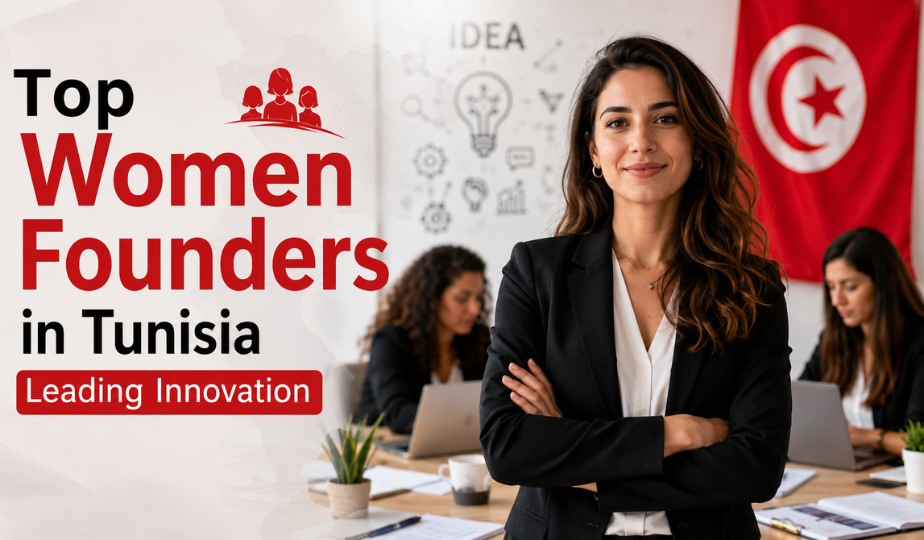
Women founders in Tunisia are playing a key role in the country’s growing startup ecosystem. They are driving innovation in technology, healthcare, education, fintech, renewable energy, and social entrepreneurship. Despite challenges such as limited access to funding and venture capital, Tunisian women are building successful businesses that create jobs, solve local problems, and compete in international markets.
Tunisia is becoming one of North Africa’s leading startup hubs, supported by entrepreneurship programs, digital transformation, and government initiatives. Women entrepreneurs are contributing significantly to this rapid growth.
Why Is Tunisia Becoming a Startup Hub?
Tunisia offers several advantages that make it attractive for entrepreneurs.
Key Advantages
-
Well-educated workforce
-
Strong engineering and technology talent
-
Expanding digital economy
-
Government support for startups
-
Growing foreign investment
-
Strategic location between Europe and Africa
These strengths have encouraged more women to launch businesses across a wide range of industries.How Can You Find the Best Real Estate Investment in Dubai?
Who Are the Leading Women Founders in Tunisia Driving Innovation?
Here are some of the most influential women entrepreneurs making an impact.
1. Amira Yahyaoui
Sector: Civic Technology
Amira Yahyaoui is one of Tunisia’s best-known entrepreneurs and democracy advocates. She developed digital platforms that promote transparency, citizen participation, and government accountability. Her work demonstrates how technology can strengthen governance and empower communities.
Highlights
-
Built internationally recognized civic technology platforms
-
Promoted digital transparency
-
Inspired women entrepreneurs across North Africa
2. Leila Charfeddine
Sector: Healthcare Innovation
Leila Charfeddine has contributed to advancing Tunisia’s healthcare and pharmaceutical industries by supporting innovation and improving healthcare services. She encourages more women to pursue careers in science, medicine, and entrepreneurship.
Innovation Focus
-
Medical innovation
-
Healthcare management
-
Research collaboration
3. Sonia Ben Jaafar
Sector: Education
Sonia Ben Jaafar is a respected education leader focused on improving learning through innovation and technology. Her work prepares young people with the skills needed for future careers.
Areas of Influence
-
Educational technology
-
Skills development
-
Youth empowerment
4. Founders of Tunisian Tech Startups
Sector: Technology
Many women across Tunisia are launching startups in fast-growing industries, including artificial intelligence, fintech, e-commerce, HealthTech, Agritech, SaaS, digital marketing, and renewable energy. Many of these founders have earned recognition through startup accelerators and international innovation competitions.
Which Tunisian Industries Are Women Entrepreneurs Transforming?
Women founders are driving innovation across multiple sectors.
Technology
Fast-Growing Digital Innovation
Women-led startups are building software, AI solutions, mobile applications, cybersecurity products, and cloud-based platforms.
Financial Technology
Expanding Financial Inclusion
Women entrepreneurs are developing digital payment platforms, online banking solutions, and financial inclusion services that make finance more accessible for businesses and consumers.
Healthcare
Improving Medical Services
HealthTech startups are introducing:
-
Telemedicine
-
Medical software
-
Electronic health records
-
Patient management systems
These innovations are improving healthcare accessibility across Tunisia.
Education
Modern Learning Solutions
EdTech companies are transforming education through:
-
E-learning platforms
-
Digital classrooms
-
AI-powered learning tools
-
Professional training programs
Women entrepreneurs are helping students and professionals build essential skills.
Renewable Energy
Building a Sustainable Future
Women founders are creating businesses focused on:
-
Solar energy
-
Green technology
-
Environmental consulting
-
Sustainable agriculture
What Are the Challenges for Women Entrepreneurs in Tunisia?
Although progress continues, several challenges remain.
Limited Access to Funding
Investment Barriers
Many women entrepreneurs face greater difficulty securing venture capital than their male counterparts. As a result, many rely on:
-
Startup accelerators
-
Angel investors
-
International development programs
Networking Opportunities
Building Professional Connections
Business networks are still largely male-dominated, making it harder for women to connect with investors and industry leaders. Fortunately, more organizations now provide mentorship programs and networking opportunities designed for women founders.
Business Expansion
Growing Internationally
Expanding into global markets requires additional funding, strategic partnerships, and market access. Despite these challenges, many Tunisian startups are successfully expanding into Europe, the Middle East, and Africa.
How Are Startup Accelerators Supporting Women Entrepreneurs?
Startup accelerators play an important role by providing valuable business support.
Key Benefits
-
Business coaching
-
Investor introductions
-
Product development guidance
-
Marketing support
-
International networking
-
Seed funding opportunities
These programs significantly improve startup success rates.
Why Are Women-Led Startups Important to Tunisia’s Economy?
Women entrepreneurs contribute to economic growth in many ways.
Economic Impact
-
Job creation
-
Innovation
-
Export growth
-
Digital transformation
-
Community development
-
Inclusive economic growth
A diverse startup ecosystem benefits both investors and society.
What Leadership Qualities Do Successful Tunisian Women Founders Share?
Many successful entrepreneurs have similar leadership characteristics.
Vision
Solving Real Problems
Successful founders identify real-world challenges and create innovative solutions.
Resilience
Overcoming Obstacles
Entrepreneurship involves setbacks, financial challenges, and market uncertainty. Strong founders learn, adapt, and continue improving.
Innovation
Embracing New Technology
Successful entrepreneurs use emerging technologies to improve products and customer experiences.
Collaboration
Building Strong Partnerships
Effective relationships with mentors, investors, customers, and partners help startups grow more quickly.
How Can Tunisian Women Entrepreneurs Succeed?
New founders can improve their chances of success by following these best practices.
Success Tips
-
Solve a real market problem
-
Build a talented and diverse team
-
Validate business ideas with customers
-
Develop a scalable business model
-
Join startup incubators and accelerators
-
Learn from experienced mentors
-
Improve financial planning
-
Build a strong online presence
-
Connect with investors
-
Stay informed about emerging technologies
What Is the Role of Technology in Women Entrepreneurship?
Technology has lowered many barriers to starting and growing a business.
Essential Business Technologies
-
Cloud computing
-
Artificial intelligence
-
Digital marketing
-
E-commerce platforms
-
Online payment systems
-
Remote work tools
These technologies allow startups to reach customers around the world with relatively low investment.
Are International Investors Interested in Tunisia?
Yes. International investors are increasingly attracted to Tunisia’s expanding startup ecosystem because of its skilled workforce, competitive operating costs, strong technical education, government support for startups, and growing culture of innovation.
Women-led businesses are also receiving greater attention from impact investors seeking diverse founding teams.
Who are the most influential women founders in Tunisia?
Answer
Entrepreneurs such as Amira Yahyaoui, Sonia Ben Jaafar, and many emerging startup founders are helping transform Tunisia’s innovation ecosystem through technology, education, healthcare, and social entrepreneurship.
Which industries have the most women-led companies in Tunisia?
Answer
Technology, fintech, healthcare, education, agritech, renewable energy, digital services, and e-commerce are among the fastest-growing sectors for women entrepreneurs.
Why is Tunisia a good place for startups?
Answer
Tunisia offers skilled talent, affordable operating costs, excellent engineering education, government support, and strategic access to both African and European markets.
What is the biggest challenge for women entrepreneurs?
Answer
Limited access to venture capital remains one of the biggest challenges, although accelerator programs, mentorship opportunities, and international funding continue to improve.
How can aspiring entrepreneurs start a business in Tunisia?
Answer
Begin by validating your business idea, creating a clear business plan, joining startup support programs, building a capable team, seeking experienced mentors, and continuously improving your product based on customer feedback.
Conclusion
Women founders in Tunisia are demonstrating that innovation thrives through diversity, resilience, and creativity. From civic technology and education to healthcare, fintech, and renewable energy, female entrepreneurs are building businesses that strengthen Tunisia’s economy while solving real-world challenges.
As access to investment, mentorship, and international markets continues to expand, the next generation of Tunisian women entrepreneurs is well positioned to drive even greater innovation across Africa, Europe, and beyond. Their achievements inspire future founders and highlight how inclusive entrepreneurship can power long-term economic growth and technological advancement.
Also Read:-
How Can You Find the Best Real Estate Investment in Dubai?
Top Inspiring Women Entrepreneurs in Israel
How Can I Earn Money Online in the UAE?