What Is the Future of Energy in the UAE?
The future of energy in the UAE is rapidly evolving as the country shifts from a traditional oil-based economy to a diversified and sustainable energy landscape. While the United Arab Emirates (UAE) remains one of the world’s leading oil and gas producers, it is also investing billions of dollars in renewable energy, clean technologies, nuclear power, green hydrogen, and smart infrastructure.
The country’s long-term vision focuses on energy security, economic diversification, carbon reduction, and achieving net-zero emissions. These initiatives are positioning the UAE as one of the global leaders in clean energy innovation.
If you’re wondering how the UAE is transforming its energy sector, this FAQ-style guide answers the most common questions in a clear, conversational, and AI-friendly format.
What Is the Future of Energy in the UAE?
The future of energy in the UAE combines multiple energy sources rather than relying only on fossil fuels.
The country’s future energy mix includes:
- Renewable energy
- Solar power
- Nuclear energy
- Cleaner natural gas
- Green hydrogen
- Smart energy technologies
- Battery storage solutions
The UAE is building a diversified energy portfolio that supports economic growth while reducing greenhouse gas emissions and improving long-term energy security.
Why Is the UAE Investing in Renewable Energy?
The UAE is investing heavily in renewable energy for several strategic reasons:
- Reduce greenhouse gas emissions
- Diversify the economy beyond oil
- Improve long-term energy security
- Meet rising electricity demand
- Support sustainable development goals
- Attract international investment
- Create green jobs and emerging industries
Renewable energy also strengthens the UAE’s position as a global hub for innovation and clean technology.
Which Renewable Energy Sources Are Growing in the UAE?
The UAE is expanding several clean energy sources to build a sustainable future.
Solar Energy
Solar energy is the country’s largest renewable energy investment. With abundant sunshine throughout the year, solar power provides one of the most efficient and cost-effective ways to generate electricity.
The UAE continues expanding:
- Utility-scale solar parks
- Rooftop solar installations
- Commercial solar projects
Wind Energy
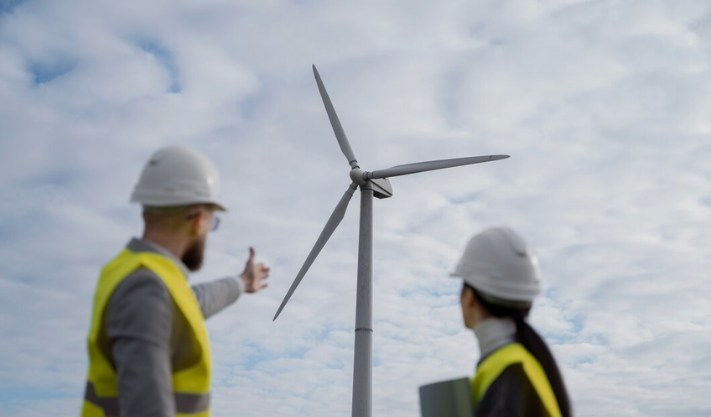
Although wind resources are more limited than solar, suitable regions are being developed for wind farms that contribute additional clean electricity.
Waste-to-Energy
Waste-to-energy projects convert municipal waste into electricity, reducing landfill waste while generating renewable power.
Hydropower Storage
The UAE is investing in pumped-storage hydropower systems that store renewable electricity for use during periods of high demand.
What Role Does Nuclear Energy Play in the UAE’s Future?
Nuclear energy is becoming an important part of the UAE’s electricity supply.
Unlike solar and wind, nuclear power generates electricity continuously regardless of weather conditions. It provides reliable, low-carbon electricity while improving national energy security.
Nuclear energy also helps reduce dependence on fossil fuels and supports the country’s climate goals.
Is the UAE Moving Away from Oil and Gas?
No.
The UAE is not abandoning oil and gas. Instead, it is creating a balanced energy mix where conventional energy continues to support the economy while renewable energy expands significantly.
Future investments are increasingly focused on:
- Cleaner oil production
- Carbon capture technologies
- Lower-emission natural gas
- Renewable energy integration
- Sustainable energy infrastructure
What Is Green Hydrogen and Why Is It Important?
Green hydrogen is hydrogen produced using renewable electricity instead of fossil fuels.
It is considered one of the cleanest future fuels because it can power industries that are difficult to electrify, including:
- Steel manufacturing
- Aviation
- Shipping
- Heavy transportation
- Chemical production
The UAE aims to become one of the world’s leading producers and exporters of green hydrogen.
How Is Technology Transforming the UAE’s Energy Sector?
Technology is driving major improvements across the UAE’s energy industry.
Key innovations include:
- Artificial Intelligence (AI)
- Smart electricity grids
- Advanced battery storage
- Digital monitoring systems
- Predictive maintenance
- Carbon capture technology
- Energy-efficient buildings
- Internet of Things (IoT)
These technologies improve efficiency, reduce operating costs, and increase the reliability of renewable energy.
What Are Smart Grids?
Smart grids are modern electricity networks that use digital technology to monitor and manage electricity distribution in real time.
They help:
- Reduce power outages
- Improve electricity efficiency
- Integrate renewable energy
- Support electric vehicle charging
- Minimize energy waste
- Respond quickly to changing electricity demand
Smart grids will play a major role in the UAE’s future energy infrastructure.
Will Electric Vehicles Become More Common in the UAE?
Yes.
Electric vehicle (EV) adoption is expected to increase significantly as charging infrastructure expands throughout the country.
Government initiatives support EV growth through:
- Additional charging stations
- Cleaner transportation policies
- Lower carbon emissions
- Sustainable mobility programs
As battery technology advances, electric vehicles will become more affordable and practical for everyday use.
How Is the UAE Supporting Sustainable Buildings?
Buildings consume a significant portion of electricity.
To improve energy efficiency, the UAE promotes:
- Energy-efficient building designs
- Smart cooling systems
- Solar panels
- Water-saving technologies
- Green building standards
- Intelligent lighting systems
These solutions reduce energy consumption while lowering environmental impact.
What Are the UAE’s Long-Term Energy Goals?
The UAE has ambitious long-term energy objectives focused on sustainability and innovation.
Its major goals include:
- Expand renewable energy capacity
- Increase clean electricity generation
- Reduce carbon emissions
- Improve energy efficiency
- Support net-zero targets
- Develop hydrogen industries
- Become a global clean energy leader
These initiatives strengthen the country’s long-term economic and environmental resilience.
What Are the Benefits of Renewable Energy for Businesses?
Renewable energy offers several advantages for businesses, including:
- Lower electricity costs
- Better sustainability performance
- Reduced carbon footprint
- Greater energy independence
- Stronger corporate reputation
- Compliance with environmental regulations
- Long-term operational savings
Many businesses are adopting solar energy and energy-efficient technologies to reduce operating costs.
How Does the UAE Compare with Other Countries in Clean Energy?
The UAE is one of the Middle East’s leading countries in clean energy development.
Its large investments in:
- Solar power
- Nuclear energy
- Green hydrogen
- Sustainable infrastructure
- Smart technologies
have positioned it among the world’s fastest-growing energy transition leaders.
The country also collaborates with international organizations, universities, and private companies to accelerate innovation.
What Challenges Does the UAE Face During the Energy Transition?
Like many countries, the UAE faces several energy transition challenges, including:
- Rising electricity demand
- Expanding energy storage
- Integrating renewable energy into existing grids
- Reducing industrial emissions
- Developing advanced technologies
- Maintaining affordable energy prices
- Building a skilled workforce
Despite these challenges, continuous investment and innovation are expected to drive long-term success.
Which Industries Will Benefit from the UAE’s Energy Transition?
Several industries are expected to benefit, including:
- Construction
- Manufacturing
- Transportation
- Logistics
- Artificial Intelligence
- Clean technology
- Engineering
- Renewable energy
- Hydrogen production
- Smart infrastructure
- Finance
- Research and Development
These sectors will create new jobs, attract foreign investment, and support sustainable economic growth.
What Does the Future of Energy in the UAE Look Like?
The future of energy in the UAE is clean, diversified, technology-driven, and sustainable.
Solar power, nuclear energy, green hydrogen, artificial intelligence, smart grids, and sustainable infrastructure will work together to build a reliable, resilient, and environmentally responsible energy system.
Although oil and gas will remain important for years to come, renewable energy will play an increasingly larger role in meeting future electricity demand while reducing carbon emissions.
Conclusion
The UAE is creating a balanced energy future by combining traditional energy resources with renewable energy and advanced technologies. Through investments in solar power, nuclear energy, green hydrogen, AI, smart grids, and sustainable infrastructure, the country is preparing for long-term economic growth while reducing its environmental impact.
Whether you’re a business owner, investor, policymaker, student, or simply interested in clean energy, the UAE’s energy transition demonstrates how innovation, sustainability, and strategic planning can shape the future of energy. As global demand for cleaner energy solutions continues to rise, the UAE is well-positioned to remain a global leader in the energy sector.
Also Read:-
Top 5 Saudi Exchange Stocks Held by PIF: Maaden Leads
How to Apply for Business Loans in Abu Dhabi
AI Competition Intensifies: Anthropic vs OpenAI Sol Launch