A Bold Vision for a Digital Future
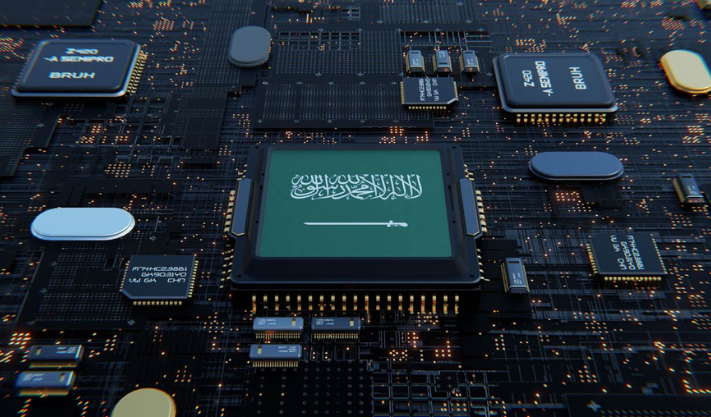
Saudi Arabia is undergoing a profound transformation as it seeks to redefine its global identity beyond oil. At the center of this shift lies an ambitious bet on artificial intelligence, a technology the Kingdom views not merely as a tool, but as a cornerstone of its future economy. Driven by its long-term strategic framework, Vision 2030, the country is investing billions into AI infrastructure, talent development, and digital ecosystems. This bold vision reflects a desire to position Saudi Arabia as a leading global technology hub, capable of competing with established innovation centers in North America, Europe, and Asia. However, this journey is as complex as it is ambitious, bringing with it both immense opportunities and significant risks.
Massive Investments Powering Growth
The scale of Saudi Arabia’s AI investments is staggering. Sovereign wealth funds and government-backed initiatives are channeling resources into data centers, cloud computing platforms, and smart city projects. These investments are not only aimed at modernizing domestic industries but also at attracting global tech companies and startups to establish a presence in the Kingdom. High-profile partnerships with international firms signal Saudi Arabia’s intent to accelerate knowledge transfer and build a competitive edge. At the same time, local startups are being encouraged through funding programs, incubators, and regulatory support, creating a rapidly evolving innovation ecosystem.
Building a Talent Pipeline
No AI strategy can succeed without a skilled workforce, and Saudi Arabia recognizes this challenge. The country is investing heavily in education and training programs designed to equip its population with digital skills. Universities are expanding AI-focused curricula, while partnerships with global institutions aim to bring world-class expertise into the Kingdom. In addition, initiatives to upskill the existing workforce are gaining momentum, helping professionals adapt to the demands of a digital economy. Despite these efforts, the competition for AI talent remains intense globally, and attracting and retaining top-tier experts continues to be a critical hurdle.
Smart Cities and Real-World Applications
One of the most visible manifestations of Saudi Arabia’s AI ambitions is its investment in smart cities. Projects like NEOM are designed to integrate AI into every aspect of urban life, from transportation and energy management to healthcare and public services. These developments aim to showcase the transformative potential of AI at scale, creating environments where technology enhances efficiency, sustainability, and quality of life. Beyond smart cities, AI is being deployed across sectors such as oil and gas, finance, logistics, and healthcare, driving productivity gains and enabling data-driven decision-making.
Economic Diversification Through Technology
AI plays a crucial role in Saudi Arabia’s broader goal of economic diversification. By reducing reliance on oil revenues, the Kingdom aims to build a resilient and sustainable economy. Technology-driven industries offer new sources of growth, job creation, and global competitiveness. AI, in particular, has the potential to unlock value across traditional sectors while fostering entirely new industries. From predictive maintenance in energy to personalized financial services, the applications are vast and varied. However, achieving meaningful diversification requires not only investment but also structural reforms and a supportive business environment.
The Global Race for AI Leadership
Saudi Arabia’s push into AI comes at a time when countries around the world are competing fiercely for technological leadership. The United States, China, and the European Union are investing heavily in AI research and development, setting high benchmarks for innovation and scale. For Saudi Arabia, entering this competitive landscape means navigating complex geopolitical dynamics and forming strategic alliances. The Kingdom’s ability to carve out a niche will depend on its capacity to leverage its unique strengths, such as financial resources and a willingness to undertake large-scale projects.
Risks and Challenges on the Horizon
While the opportunities are significant, the risks associated with Saudi Arabia’s AI strategy cannot be ignored. One major concern is the potential for overinvestment without corresponding returns, particularly in projects that may struggle to achieve commercial viability. Additionally, the rapid pace of technological change means that investments made today could become obsolete in a relatively short period. There are also challenges related to data privacy, cybersecurity, and regulatory frameworks, which must evolve in tandem with technological advancements. Furthermore, reliance on foreign expertise and technology could limit the development of a truly self-sustaining ecosystem.
Balancing Innovation with Governance
As AI becomes more deeply integrated into society, questions around ethics and governance become increasingly important. Saudi Arabia must establish clear guidelines to ensure that AI is used responsibly and transparently. This includes addressing issues such as algorithmic bias, data protection, and accountability. Building public trust in AI systems is essential for widespread adoption and long-term success. The government’s role in creating a balanced regulatory environment will be critical in fostering innovation while safeguarding societal interests.
Opportunities for Regional Leadership
Saudi Arabia’s AI ambitions also have implications beyond its borders. By positioning itself as a technology hub, the Kingdom has the potential to become a leader in the Middle East’s digital transformation. This could drive regional collaboration, attract investment, and create opportunities for neighboring countries to participate in a shared innovation ecosystem. The ripple effects of Saudi Arabia’s AI initiatives could extend across industries and geographies, reinforcing its influence on the global stage.
The Road Ahead
The path to becoming a global AI powerhouse is long and uncertain, but Saudi Arabia’s commitment is unmistakable. The combination of financial resources, strategic vision, and a willingness to embrace change provides a strong foundation for progress. However, success will depend on the Kingdom’s ability to navigate challenges, adapt to evolving technologies, and build a sustainable ecosystem that balances ambition with practicality. As the global race for AI leadership intensifies, Saudi Arabia’s journey will be closely watched as a test case of how emerging economies can leverage technology to transform their futures.
Conclusion: A High-Stakes Transformation
Saudi Arabia’s AI bet represents one of the most ambitious economic transformations in recent history. It is a high-stakes endeavor that carries both the promise of unprecedented growth and the risk of significant setbacks. By investing in AI, the Kingdom is not only reshaping its own economy but also contributing to the broader evolution of the global technology landscape. Whether this gamble pays off will depend on execution, adaptability, and the ability to turn vision into reality.
Also Read:-
From Oil Powerhouse to Multi-Source Energy Leader
Silver surge faces Middle East test
Trump halts strikes; Iran agrees 2-week ceasefire