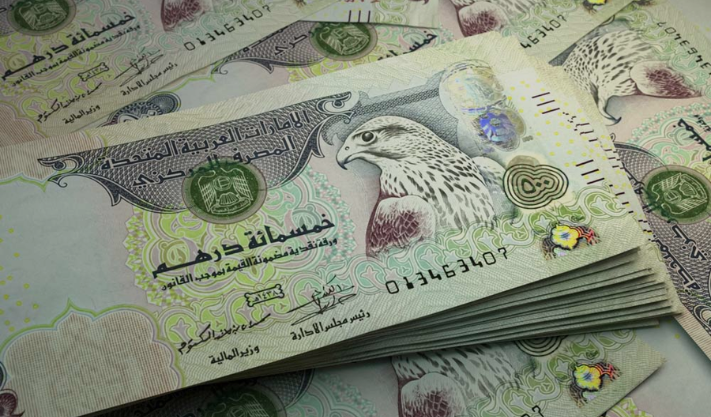
UAE’s debt market is strong and may reach $400 billion in a few years: Fitch
The UAE’s debt market is expected to stay strong this year and could reach up to $400 billion in the next few years, according to Fitch Ratings.
Debt Market
- According to Fitch Ratings, the growth of the debt market will be supported by different sources of funding, upcoming debt repayments, infrastructure projects, better financial rules, and the introduction of the Dirham Monetary Framework (DMF).
- Fitch also mentioned that lower interest rates in the US (expected in 2025) and falling oil prices could help strengthen the UAE’s debt market. Nasdaq Dubai remained a top international platform for listing sukuk (Islamic bonds).
- In 2024, the UAE was the third-largest first-time issuer of dollar debt in emerging markets (excluding China) and the second-largest debt market in the Gulf Cooperation Council (GCC) region. Sukuk made up 20.8% of all dollar issuances, while bonds related to environmental, social, and governance (ESG) factors accounted for 17.2%.
- Fitch also reported that the global ESG sukuk market could grow beyond $50 billion in 2025, up from $45.2 billion in 2024. The share of the UAE dirham in the debt market increased to 23% by the end of 2024, compared to just 0.5% in 2020.
Key Quote
Bashar Al Natoor, global head of Islamic Finance at Fitch Ratings, said:
“After passing $300 billion and growing by over 10% from last year, the UAE’s debt market is expected to reach $400 billion. This is due to strategic changes and financial reforms.”
He also highlighted that 92% of UAE sukuk are investment-grade, and almost all sukuk issuers have a Stable Outlook. No defaults in 2024 show the market’s stability, which is supported by the Dirham Monetary Framework and good funding conditions.
Future Outlook
Fitch expects UAE banks to remain among the biggest debt issuers and investors.
However, there are some challenges:
- Most debt investors are banks, and companies do not issue debt in dirhams very often.
- Large companies are starting to issue debt but still rely mainly on bank financing.
- Islamic finance rules, such as AAOIFI Standard 62, add complexities for sukuk issuances.
Published: 10th February 2025
For more article like this please follow our social media Twitter, Linkedin & Instagram
Also Read:
Al Salam Bank Bahrain made $156M profit in 2024 from strong ops
Dubai’s economy grew 3.1% to $92.4B in first 9 months of 2024
ADNOC Gas profit up 13% in 2024, hitting $5B on strong demand