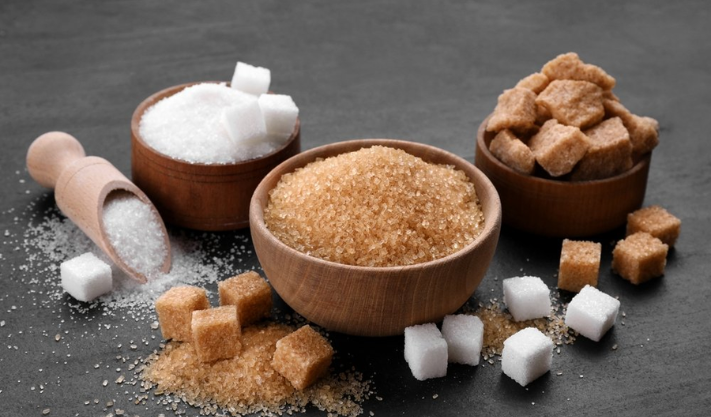
Sugar as Strategy: Exploring the UAE’s New Economics of Beverages
The beverage industry in the United Arab Emirates is undergoing a significant transformation, with sugar emerging as more than just an ingredient—it has become a strategic lever shaping pricing, consumer behavior, and regulatory frameworks. As governments, businesses, and consumers increasingly focus on health, sustainability, and economic efficiency, the role of sugar in the beverage market is being redefined. What was once a simple component of taste is now central to a broader economic and policy-driven narrative that is reshaping the entire sector.
The Rise of Health-Driven Policies
Governments across the UAE have introduced measures aimed at reducing sugar consumption to combat rising health concerns such as obesity and diabetes. These policies are not only public health initiatives but also economic tools that influence how companies formulate and price their products. By imposing taxes or levies on high-sugar beverages, authorities are encouraging both producers and consumers to shift toward healthier alternatives. This has created a ripple effect across the industry, forcing companies to rethink their strategies.
Sugar Taxes as Economic Signals
One of the most impactful developments has been the introduction of excise taxes on sugary drinks. These taxes act as a clear signal to the market, increasing the cost of high-sugar products and making low-sugar or sugar-free options more competitive. For beverage companies, this means that sugar content directly affects profitability. As a result, sugar is no longer just a cost factor—it is a strategic variable that determines pricing structures and market positioning.
Reformulation as a Competitive Advantage
To adapt to these changes, many beverage companies are investing in reformulation. Reducing sugar content without compromising taste has become a key area of innovation. Companies that succeed in this space gain a competitive edge, as they can offer products that meet regulatory requirements while still appealing to consumers. This has led to increased research and development efforts, as well as partnerships with ingredient suppliers to create new formulations.
Changing Consumer Preferences
Consumers in the UAE are becoming more health-conscious, driven by greater awareness and access to information. This shift in preferences is reinforcing the impact of government policies. Demand for low-sugar, organic, and functional beverages is on the rise, pushing companies to diversify their product portfolios. Brands that align with these preferences are seeing stronger growth, while those that rely heavily on traditional high-sugar products face declining demand.
Premiumization of Low-Sugar Products
Interestingly, the move toward healthier options has also led to the premiumization of certain beverage categories. Low-sugar and sugar-free drinks are often marketed as premium products, allowing companies to maintain or even increase margins despite higher production costs. This strategy highlights how sugar reduction can be positioned not just as a compliance measure but as a value proposition.
Impact on Supply Chains
The strategic importance of sugar is also affecting supply chains. Companies are reassessing their sourcing strategies, exploring alternative sweeteners, and optimizing production processes to manage costs. This shift requires close collaboration with suppliers and may lead to the development of new supply networks focused on healthier ingredients. As a result, the entire value chain is being reshaped.
Innovation in Alternative Sweeteners
The demand for reduced sugar content has accelerated the adoption of alternative sweeteners such as stevia and monk fruit. These ingredients allow companies to maintain sweetness while lowering calorie content. However, they also come with their own challenges, including cost, taste profiles, and consumer acceptance. Navigating these complexities is a key part of the new beverage economics in the UAE.
Marketing and Branding Evolution
Marketing strategies are evolving to reflect the changing role of sugar. Brands are increasingly emphasizing health benefits, transparency, and sustainability in their messaging. Labels highlighting “low sugar,” “no added sugar,” or “natural ingredients” are becoming more prominent. This shift in branding not only attracts health-conscious consumers but also builds trust and credibility in a competitive market.
Regulatory Compliance as Strategy
Compliance with regulations is no longer just a legal requirement—it is a strategic priority. Companies that proactively align with government policies can avoid penalties, reduce risks, and position themselves as industry leaders. This proactive approach also allows businesses to anticipate future regulations and adapt more quickly than competitors.
Economic Diversification and Industry Growth
The transformation of the beverage sector aligns with the UAE’s broader goals of economic diversification. By encouraging innovation and healthier consumption patterns, the government is fostering a more sustainable and competitive industry. This creates opportunities for new entrants, startups, and international brands to establish a presence in the market.
Challenges and Trade-Offs
Despite the opportunities, the shift toward reduced sugar presents challenges. Reformulation can be costly, and there is always a risk that consumers may not accept new taste profiles. Additionally, balancing affordability with premium positioning can be difficult, especially in a price-sensitive market. Companies must carefully navigate these trade-offs to succeed.
The Role of Data and Analytics
Data is playing an increasingly important role in shaping beverage strategies. Companies are using analytics to understand consumer preferences, optimize pricing, and track the impact of regulatory changes. This data-driven approach enables more informed decision-making and helps businesses stay ahead of market trends.
Future Outlook: A Health-Centric Market
Looking ahead, the UAE beverage market is likely to become even more health-centric. As regulations evolve and consumer awareness continues to grow, the demand for low-sugar and functional beverages will increase. Companies that invest in innovation, adapt to changing preferences, and leverage sugar as a strategic tool will be well-positioned for long-term success.
In conclusion, sugar has transitioned from a basic ingredient to a central element of strategy in the UAE’s beverage industry. It influences everything from pricing and product development to marketing and regulation. This transformation reflects broader trends in health, economics, and consumer behavior, highlighting the complex interplay between policy and business. For companies operating in this space, understanding and leveraging the strategic role of sugar is no longer optional—it is essential for survival and growth in a rapidly evolving market.
Also Read:
Dubai Property Market Stays Strong Amid Tensions
Saudi Arabia’s $2.5T Mining Economic Shift
Saudi Arabia’s Rise as a Global Gaming Powerhouse