SABIC Signs Two Deals to Sell Businesses and Focus on Growth Markets
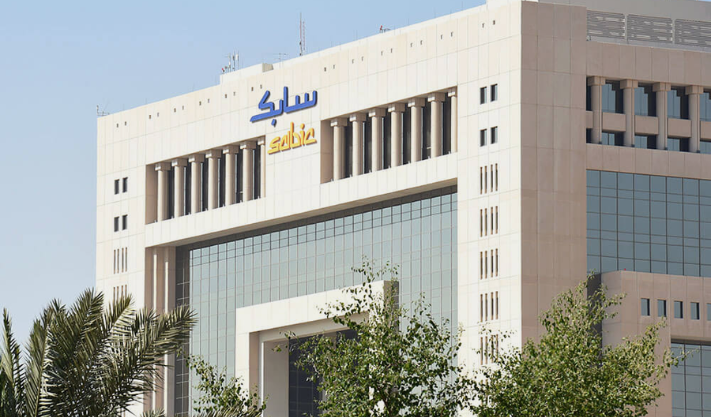
Saudi Basic Industries Corporation (SABIC) has signed two separate agreements to sell all its ownership in two subsidiaries. The deals were signed on Wednesday as part of SABIC’s plan to focus on fast-growing markets and move away from low-profit businesses.
The company said these sales are part of a long-term strategy to improve efficiency, increase cash flow, and achieve better returns on investment.
Two businesses sold
In the first deal, SABIC agreed to sell 100% of its Engineering Thermoplastics (ETP) business in the Americas and Europe. The buyer is Mutares SE & Co KGaA, according to a regulatory filing released on Thursday.
Mutares is a private equity firm based in Munich, Germany. It mainly buys businesses that no longer match the core strategy of their parent companies.
The total value of the deal is about $450 million (SAR 1.69 billion). This includes $56 million in cash paid upfront. The deal is expected to be completed in the third quarter of 2026, once it receives approval from regulators in both regions.
Sale of European petrochemical business
In a second deal, SABIC sold 100% of SABIC Europe B.V. to a German investment firm called AEQUITA. This company owns SABIC’s European petrochemicals business and related assets.
SABIC Europe B.V. operates production facilities in several countries, including the United Kingdom, the Netherlands, Germany, and Belgium.
AEQUITA, like Mutares, is based in Munich. The firm focuses on acquiring companies through buy-and-build strategies and corporate carve-outs.
This transaction has an enterprise value of $500 million (SAR 1.88 billion). The deal is expected to close in the fourth quarter of 2026, subject to regulatory approvals.
Strategic reasons behind the deals
SABIC said both transactions are part of its strategy to focus on high-growth markets. The company aims to reduce costs, strengthen cash flow, and improve return on capital employed (ROCE).
The proceeds from these sales will be used to support SABIC’s future growth plans and long-term strategy in the global petrochemicals sector.
By exiting businesses with lower returns, SABIC hopes to allocate capital more efficiently and strengthen its competitive position.
Financial impact on SABIC
Despite the long-term benefits, the deals will have a significant short-term financial impact on the company.
The sale of the Engineering Thermoplastics business in the Americas and Europe is expected to result in a non-cash loss of nearly $2 billion (SAR 7.5 billion). This loss will appear in SABIC’s fourth-quarter earnings report for 2025.
In addition, the sale of SABIC’s European petrochemical business is expected to cause a non-cash loss of around $2.9 billion (SAR 10.8 billion), also in the fourth quarter of 2025.
These losses are non-cash, meaning they will not directly affect SABIC’s cash position but will impact reported earnings.
Share price reaction
Following the announcement, SABIC’s share price fell by 3.14%. The stock was trading at $13.48 (SAR 50.55) on the Saudi stock exchange as of 12:04 pm AST Arabia on Thursday.
Ownership structure
SABIC is majority owned by Saudi Aramco, the world’s largest oil company. Saudi Aramco holds around 70% of SABIC’s shares.
The remaining 30% of the company is publicly traded on the Saudi stock exchange, allowing individual and institutional investors to buy and sell shares.
Looking ahead
SABIC said these transactions will help the company focus on areas with higher growth potential and better returns. While the sales will lead to large accounting losses in the short term, the company believes the strategy will strengthen its financial position over time.
With these divestments, SABIC continues to reshape its global portfolio and align its operations with long-term growth goals.
Published: 9th January 2026
For more article like this please follow our social media Twitter, Linkedin & Instagram
Also Read:
Kuwait Finance House Raises $1 Billion Through Sukuk Deal
OPEC Shares New Compensation Plans from Key Members
Oman to Set Up Global Financial Center to Attract Investment