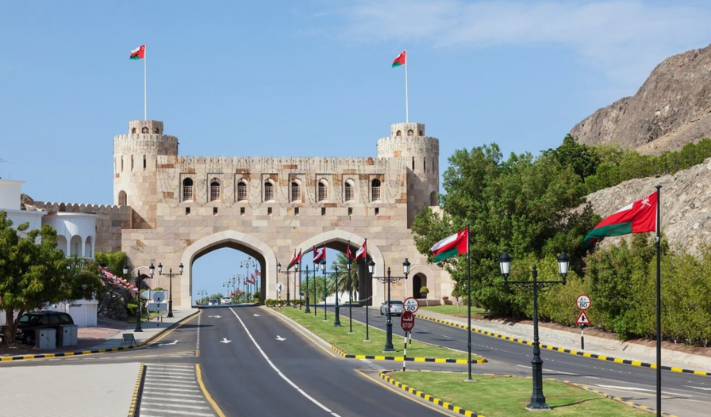
Oman’s Investment Drive Marks a New Stage in Gulf Competition
Oman is becoming a stronger player in the Gulf’s competition to attract global investment. Under its Vision 2040 plan, the country has launched wide-ranging economic reforms to make its economy more open, competitive, and friendly to foreign investors.
For many years, Oman followed a slow and careful approach to reform. Today, that approach has changed. The government is now moving faster to attract foreign capital, reduce its dependence on oil, and compete more directly with larger Gulf economies such as the UAE and Saudi Arabia.
One of the most important reforms is allowing 100% foreign ownership in many sectors. In the past, foreign companies usually needed a local partner to do business in Oman. That requirement has now been removed in many areas. Oman has also simplified business rules, expanded economic zones, and improved investment laws, showing a clear shift toward openness.
Another key step is the introduction of a 10-year investor Golden Visa, launched in August 2025. This program offers five- and ten-year renewable residency permits for qualifying investors without the need for a local sponsor. Investors can live and work in Oman, and the visa also covers spouses, children, and dependent parents.
To qualify, investors can buy real estate, start a company, invest in government bonds, or make bank deposits. The aim is not only to bring money into the country, but also to attract skilled professionals, entrepreneurs, and global talent to support long-term growth.
Oman has also approved plans to set up a new financial center. This is another sign of its ambition to become a regional business and finance hub. The center will host commercial banks, international financial institutions, and companies working in banking, insurance, and financial services, including Islamic finance. The government says the project will help transfer global expertise, create high-quality jobs, and modernize Oman’s financial system.
Early results suggest that investors are responding positively. By the end of the second quarter of 2025, foreign direct investment (FDI) in Oman had reached about $78.9 billion. New investment inflows during the period totaled $8.9 billion, according to official data.
Oil and gas still dominate foreign investment, accounting for over 80% of total FDI. Manufacturing ranked second, followed by financial services. Real estate, leasing, and commercial activities also attracted growing interest, showing that investment is slowly diversifying beyond energy.
The UK remains Oman’s largest foreign investor, followed by the United States. Kuwait, China, Qatar, the UAE, the Netherlands, Bahrain, Switzerland, and India are also major sources of investment.
Oman’s reform efforts come at a time of strong competition across the Gulf. Countries such as the UAE, Saudi Arabia, Qatar, and Bahrain have all introduced investor-friendly policies, including long-term residency visas and startup support programs. To stand out, Oman is aligning its reforms with regional trends while presenting itself as a stable and credible alternative destination for global capital.
Economic growth has remained steady. Oman’s economy grew 2.3% in the first half of 2025, up from 1.6% in 2024. Growth was driven mainly by non-oil sectors such as construction, tourism, agriculture, fishing, and logistics. Non-oil growth reached 3.5%, showing progress in diversification despite oil production cuts.
International institutions have taken note. The IMF has praised Oman’s reforms under Vision 2040, highlighting improvements in the business environment, public finances, digital development, and fiscal discipline.
In December, Fitch Ratings upgraded Oman to investment-grade status, citing stronger finances and confidence in the government’s ability to manage its budget even with lower oil prices.
Together, these changes show that Oman is no longer on the sidelines of Gulf investment competition. Instead, it is positioning itself as a serious and rising destination for long-term global investment.
Published: 9th February 2026
For more article like this please follow our social media Twitter, Linkedin & Instagram
Also Read:
How digital innovation is reshaping government in UAE and GCC
How Sukuk Became Central to the UAE’s Debt Market
Saudi Arabia and UAE Driving the Future of GCC Insurance