Impact Beyond Oil: How Middle East Conflict Is Disrupting Global Commodity Markets
Problems in the Middle East are not only affecting oil. They are also disturbing many global commodity markets. The region plays a very important role in global supply chains. It supplies key materials such as petrochemicals, fertilisers, aluminium, and plastics. When there is conflict, shipping routes and export systems in the Gulf can be disrupted. This creates a chain reaction that affects markets around the world.
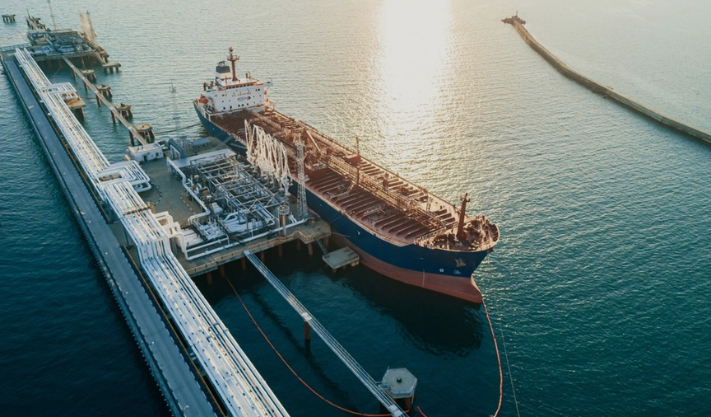
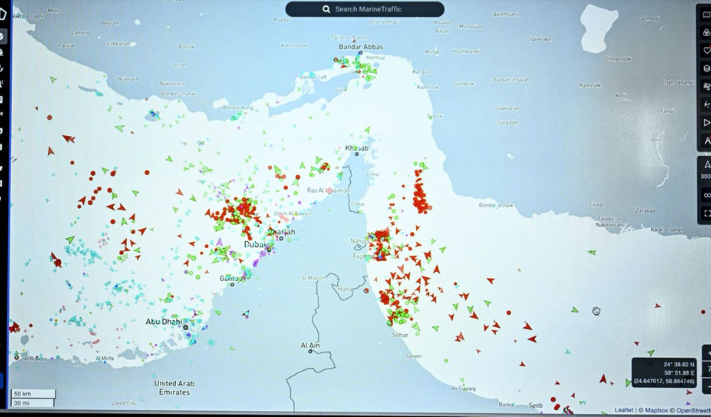
One of the most important risk points is the Strait of Hormuz. This narrow waterway is one of the world’s busiest routes for energy trade. About 20% of global petroleum liquids pass through it. In 2025, around 13 million barrels of crude oil per day moved through the strait. This made up about 31% of all seaborne crude oil trade. The strait is also very important for liquefied natural gas (LNG) and petrochemical shipments. More than 20% of global LNG trade passes through this route, mostly from Qatar to Asian countries.
When tensions rise in the region, markets react quickly. Traders fear that shipments through the Strait of Hormuz could be blocked or delayed. This fear increases shipping costs and insurance prices. It also makes commodity prices more unstable.
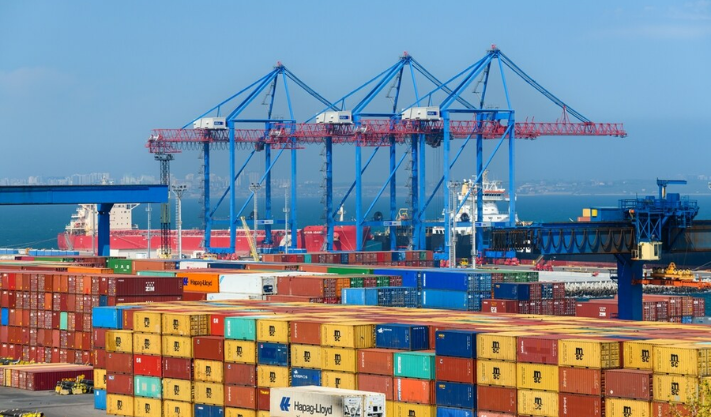
The impact is not limited to oil and gas. The Middle East is a major producer of industrial commodities. In 2024, the region produced about 30% of the world’s oil and 17% of its natural gas. It has also become a leading supplier of petrochemical products such as polyethylene, polypropylene, methanol, and ammonia. These materials are widely used in plastic products, packaging, and manufacturing industries. Countries like Saudi Arabia, the UAE, and Qatar have built large petrochemical industries connected to their energy sectors.
Fertilisers are another key export from the region. Countries like Qatar, Saudi Arabia, and Iran are among the world’s top exporters of nitrogen fertilisers. Together, they supply about 25% of global nitrogen exports. The fertiliser market in Gulf countries is expected to grow strongly in the coming years. A large portion of global fertiliser shipments, including sulphur and ammonia, also passes through the Strait of Hormuz.
When supply routes are disrupted, the effects spread quickly. Fertiliser prices rise, which increases costs for farmers. This can later lead to higher food prices in many countries. The impact is already visible. Urea prices jumped sharply soon after the disruptions began, rising by more than $200 per tonne in a short time. Prices also increased significantly in key global markets such as Egypt.
Several reasons are driving these price increases. QatarEnergy stopped production at one of the world’s largest urea plants after losing gas supply due to attacks on LNG facilities. At the same time, sulphur production in the region has dropped. This is important because sulphur is a key ingredient in fertilisers. India, which depends heavily on fertiliser imports from the Middle East, has already been affected. Some of its domestic plants have reduced output because LNG supplies from Qatar have fallen.
The situation is made worse by global factors. China has been limiting fertiliser exports to protect its domestic supply. European producers are also operating at lower levels after losing access to cheaper Russian gas. Together, these issues are tightening global supply and pushing prices even higher.
The Middle East is also important for metals, especially aluminium. The Gulf region has some of the world’s largest aluminium production facilities. These include major plants in the UAE, Bahrain, Saudi Arabia, Qatar, and Oman. In 2025, Gulf countries produced about 6.16 million metric tonnes of aluminium, which is around 8% of global production.
Most of this aluminium is exported through the Strait of Hormuz. It is shipped to major markets such as North America, Europe, and Asia. Many countries depend heavily on these supplies. For example, the US and European Union import a significant share of their aluminium from the Gulf. Countries like Japan, South Korea, India, and the UK are also major buyers.
As a result, disruptions in the region are quickly affecting aluminium markets. Prices are rising, especially the extra charges known as premiums that buyers pay above standard market prices. In Europe, these premiums have increased sharply and reached their highest levels in years. In the US, prices are already high due to import tariffs, and they have risen even further. In Asia, aluminium prices have also surged, with Japan seeing large increases.
Shipping problems are adding to the situation. Even when supplies are available, it is becoming harder and more expensive to transport them. Shipping costs through the Strait of Hormuz have reached record levels. Rates for large oil tankers have doubled in a very short time. LNG shipping costs have also increased sharply after Qatar reduced production.
At the same time, the number of shipments has dropped. Oil exports from the Gulf have fallen significantly. Some shipping companies have stopped operations in the region due to safety concerns. Others are looking for alternative routes, which are often longer and more expensive.
Fuel supply for ships is also being affected. Fujairah, one of the world’s largest bunkering hubs, has seen a decline in activity. This may shift demand to other ports such as Singapore. Some countries have already warned their shipping companies to avoid the region. Major firms are making backup plans in case the situation gets worse.
Experts say the future depends on how long the disruption lasts. If the Strait of Hormuz remains unsafe, the impact could continue to grow. Solutions such as naval protection, new pipelines, or alternative routes may help, but they take time to develop.
If the crisis continues, the effects will go beyond energy markets. It could increase price volatility in fertilisers, metals, and other key commodities. These materials are essential for industries and agriculture worldwide. As a result, the global economy could face higher costs and more uncertainty in the months ahead.
Also Read:
Why Lamborghini Isn’t Going Fully Electric Yet
Middle East tensions boost Russia’s oil income quietly
CEPA Momentum: UAE Blueprint for Diversified Economic Growth