Table of Contents
ToggleHow Saudi Arabia’s $2.5 Trillion Mining Expansion Is Transforming Its Economy
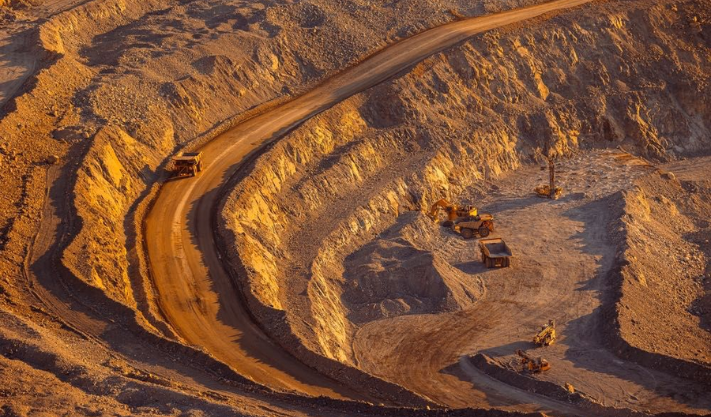
In recent years, Saudi Arabia has taken bold steps to diversify its economy beyond oil, and one of the most ambitious initiatives driving this transformation is its $2.5 trillion mining expansion. Long known for its vast petroleum reserves, the Kingdom is now turning its attention to the untapped potential beneath its land—rich deposits of gold, phosphate, bauxite, copper, and rare earth elements. This strategic shift is not only reshaping the country’s economic landscape but also positioning it as a future global hub for mining and minerals.
At the heart of this transformation lies Vision 2030, a comprehensive reform plan aimed at reducing dependence on oil revenues and building a more sustainable and diversified economy. Mining has emerged as a key pillar within this vision, alongside sectors like tourism, technology, and renewable energy. By investing heavily in exploration, infrastructure, and regulatory reforms, Saudi Arabia is unlocking new sources of wealth that were previously overlooked.
Unlocking Untapped Mineral Wealth
Saudi Arabia’s geological landscape is far more diverse than many realize. The Arabian Shield, a vast geological formation covering much of the western part of the country, holds significant reserves of valuable minerals. For decades, these resources remained largely underexplored due to the country’s overwhelming focus on oil. However, recent advancements in technology and increased government support have made large-scale exploration more feasible.
The government has launched extensive geological surveys to map mineral resources with greater accuracy. These efforts are attracting global mining companies eager to participate in what is being described as one of the last great untapped mining frontiers. The availability of critical minerals such as lithium and rare earth elements is particularly significant, given their importance in renewable energy technologies and electric vehicles.
Economic Diversification and Revenue Growth
One of the primary goals of Saudi Arabia’s mining expansion is to create new revenue streams that can complement and eventually reduce reliance on oil exports. Mining is expected to contribute significantly to the country’s GDP in the coming years, with projections indicating substantial growth as projects move from exploration to production.
This shift is especially important in a world where energy markets are evolving rapidly. As global demand for fossil fuels faces uncertainty due to climate concerns and the transition to cleaner energy, Saudi Arabia is proactively positioning itself to remain economically resilient. By investing in minerals that are essential for green technologies, the Kingdom is aligning its economic strategy with global trends.
Infrastructure Development and Industrial Growth
The mining boom is also driving massive investments in infrastructure. Developing a robust mining sector requires more than just extracting resources; it involves building transportation networks, processing facilities, and export terminals. Saudi Arabia is investing in railways, ports, and industrial zones to support the entire mining value chain.
One notable initiative is the development of integrated mining and industrial complexes that allow raw materials to be processed domestically rather than exported in their raw form. This approach adds value to the economy, creates jobs, and supports the growth of related industries such as manufacturing and logistics. Over time, this could transform Saudi Arabia into a regional industrial powerhouse.
Job Creation and Human Capital Development
Another critical impact of the mining expansion is job creation. The sector is expected to generate thousands of direct and indirect employment opportunities, ranging from engineering and geology to logistics and administration. This is particularly important for a country with a young and growing population seeking meaningful employment.
To support this growth, Saudi Arabia is investing in education and training programs aimed at developing a skilled workforce. Partnerships with international institutions and companies are helping to transfer knowledge and expertise, ensuring that local talent can meet the demands of a rapidly evolving industry. This focus on human capital is essential for the long-term sustainability of the mining sector.
Attracting Foreign Investment
Saudi Arabia’s mining ambitions are also attracting significant foreign investment. The government has introduced regulatory reforms designed to make the sector more attractive to international investors. These include streamlined licensing processes, improved transparency, and incentives for exploration and development.
Global mining companies are increasingly viewing Saudi Arabia as a strategic destination for investment. The combination of vast mineral resources, supportive government policies, and a stable economic environment makes it an appealing opportunity. This influx of foreign capital is not only accelerating the development of the mining sector but also strengthening the country’s position in the global economy.
Environmental and Sustainability Considerations
While the mining boom presents significant economic opportunities, it also raises important environmental considerations. Mining activities can have a substantial impact on ecosystems, water resources, and local communities. Recognizing this, Saudi Arabia is placing increasing emphasis on sustainable mining practices.
The government is implementing regulations to ensure that mining operations adhere to environmental standards and minimize their ecological footprint. There is also a growing focus on using advanced technologies to reduce waste, conserve water, and improve efficiency. By prioritizing sustainability, Saudi Arabia aims to balance economic growth with environmental responsibility.
Geopolitical Implications and Global Influence
Saudi Arabia’s emergence as a major player in the mining sector has broader geopolitical implications. As demand for critical minerals continues to rise, countries that control these resources will hold significant influence in global markets. By developing its mining capabilities, Saudi Arabia is positioning itself as a key supplier of materials essential for the energy transition.
This shift could enhance the Kingdom’s strategic importance on the global stage, allowing it to play a more diversified role in international trade and diplomacy. In many ways, the mining sector could become as influential as oil once was, shaping global supply chains and economic relationships.
Challenges and the Road Ahead
Despite its potential, the mining expansion is not without challenges. Developing a new industry at this scale requires significant investment, careful planning, and effective execution. Issues such as regulatory consistency, environmental management, and workforce development must be addressed to ensure long-term success.
There is also the challenge of market volatility. Commodity prices can fluctuate, affecting the profitability of mining projects. To mitigate these risks, Saudi Arabia must adopt a strategic approach that balances short-term gains with long-term stability.
A Transformational Shift in Economic Identity
Saudi Arabia’s $2.5 trillion mining expansion represents more than just an economic initiative—it is a fundamental shift in the country’s identity. For decades, the Kingdom’s global image has been closely tied to oil. Today, it is redefining itself as a diversified economy with multiple engines of growth.
By investing in mining, Saudi Arabia is not only unlocking new sources of wealth but also building a more resilient and sustainable future. The success of this transformation will depend on the country’s ability to balance ambition with execution, innovation with sustainability, and growth with inclusivity.
In the years ahead, the mining sector is set to play a pivotal role in shaping Saudi Arabia’s economic trajectory. If managed effectively, it could become a cornerstone of the Kingdom’s post-oil era, driving prosperity and positioning the nation as a global leader in the resources of the future.
Also Read:
Saudi Arabia’s Rise as a Global Gaming Powerhouse
Imtiaz Jebel Ali Deal Signals Real Estate Confidence
Gold falls despite Middle East safe-haven demand concerns