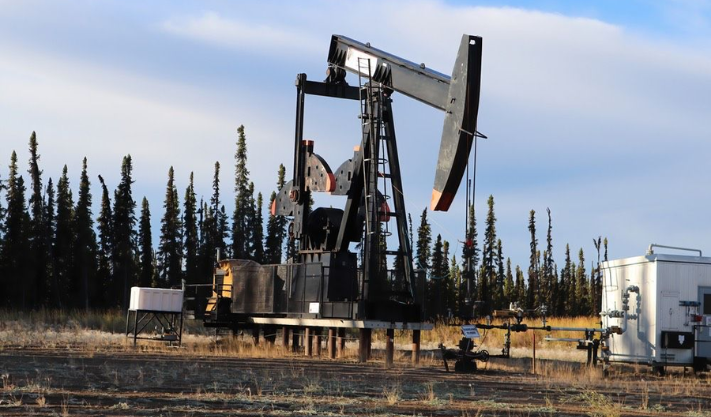
A Historic Spike in Energy Markets
Global oil prices have surged to an unprecedented all-time high, marking a defining moment in the modern economic landscape. This dramatic increase is not merely a fluctuation in commodity pricing but a signal of deeper structural shifts in geopolitics, supply chains, and global demand. Energy markets, long considered the backbone of industrial growth, are now at the center of economic uncertainty and transformation. The surge reflects a convergence of multiple factors that have been building over time, culminating in a price environment that is reshaping industries and economies worldwide.
The Perfect Storm Behind the Surge
At the core of this record-breaking rise lies a complex interplay of supply constraints and rising demand. On the supply side, production cuts by major oil-exporting nations have tightened global availability. Strategic decisions by oil-producing alliances to limit output in order to stabilize or elevate prices have significantly influenced the market. Additionally, ongoing geopolitical tensions in key oil-producing regions have disrupted supply chains, creating uncertainty and volatility.
Simultaneously, global demand has rebounded strongly, particularly as economies recover and expand. Industrial activity, transportation, and energy consumption have surged, especially in emerging markets where growth trajectories remain steep. This imbalance between constrained supply and expanding demand has created upward pressure on prices, pushing them to historic highs.
Geopolitical Tensions and Market Volatility
Geopolitics has played a crucial role in driving oil prices upward. Conflicts, sanctions, and diplomatic tensions in major oil-producing regions have not only reduced output but also heightened fears of further disruptions. Markets react swiftly to such uncertainties, often pricing in risks that may or may not materialize. This speculative element adds another layer of complexity, amplifying price movements beyond fundamental supply-demand dynamics.
Moreover, strategic reserves held by various countries have been deployed intermittently to stabilize prices, but these measures have offered only temporary relief. The underlying geopolitical risks continue to loom large, maintaining upward pressure on global oil prices.
Economic Ripple Effects Across the Globe
The surge in oil prices has far-reaching implications for the global economy. Energy costs are a fundamental component of production and transportation, meaning higher oil prices translate into increased costs for businesses across sectors. These costs are often passed on to consumers, contributing to inflationary pressures.
Developing economies are particularly vulnerable, as they tend to be more dependent on energy imports and have less fiscal flexibility to absorb price shocks. Rising fuel costs can strain government budgets, disrupt economic planning, and slow down growth. In contrast, oil-exporting nations may benefit from increased revenues, although this can also lead to overreliance on volatile commodity markets.
Impact on Consumers and Everyday Life
For individuals, the impact of rising oil prices is immediate and tangible. Fuel costs for transportation increase, leading to higher expenses for commuting and logistics. This, in turn, affects the prices of goods and services, as transportation costs are embedded in nearly every product supply chain.
Households may experience reduced purchasing power as energy bills rise and inflation erodes disposable income. In many regions, this can lead to changes in consumption patterns, with people cutting back on non-essential spending. The psychological impact of rising costs also contributes to economic uncertainty, influencing consumer confidence and behavior.
Energy Transition and the Push for Alternatives
Interestingly, the surge in oil prices may accelerate the global transition toward alternative energy sources. High fossil fuel costs make renewable energy options such as solar, wind, and electric vehicles more economically attractive. Governments and businesses are increasingly investing in sustainable energy infrastructure, recognizing the long-term benefits of reducing dependence on volatile oil markets.
However, the transition is not without challenges. Infrastructure development, technological advancements, and policy support are required to scale renewable energy solutions effectively. In the short term, the world remains heavily reliant on oil, meaning that price fluctuations will continue to have significant impacts.
Strategic Responses from Governments and Corporations
In response to rising oil prices, governments are taking a range of measures to mitigate the impact. These include subsidies, tax reductions, and strategic reserve releases aimed at stabilizing domestic markets. Policymakers are also exploring long-term strategies to enhance energy security, such as diversifying energy sources and investing in domestic production capabilities.
Corporations, particularly those in energy-intensive industries, are adapting by optimizing operations, investing in energy efficiency, and exploring alternative energy sources. Some companies are also revising pricing strategies to manage cost pressures while maintaining competitiveness in a challenging economic environment.
Financial Markets and Investor Sentiment
The surge in oil prices has also influenced financial markets, with energy stocks experiencing significant gains. Investors often view the energy sector as a hedge against inflation, leading to increased capital flows into oil and gas companies during periods of rising prices.
At the same time, volatility in oil markets can create uncertainty for investors, particularly those exposed to industries sensitive to energy costs. Market sentiment tends to fluctuate based on geopolitical developments, production decisions, and macroeconomic indicators, making oil a key driver of broader financial trends.
Long-Term Implications for Global Stability
Looking ahead, the sustained rise in oil prices raises important questions about global economic stability. Prolonged high energy costs can slow economic growth, exacerbate inflation, and increase the risk of recession in some regions. The interconnected nature of the global economy means that shocks in energy markets can have cascading effects across industries and borders.
At the same time, this period of high prices may serve as a catalyst for structural change. Governments and businesses may accelerate efforts to build more resilient and sustainable energy systems, reducing vulnerability to future price shocks.
Conclusion: A Turning Point for Energy and Economics
The surge in global oil prices to an all-time high represents more than just a milestone in commodity markets—it is a turning point that underscores the evolving dynamics of energy, economics, and geopolitics. While the immediate effects are challenging, particularly for consumers and energy-dependent economies, the situation also presents opportunities for innovation and transformation.
As the world navigates this new energy landscape, the focus will increasingly shift toward sustainability, resilience, and diversification. Whether this historic surge becomes a temporary spike or a long-term trend will depend on how effectively global stakeholders respond to the challenges and opportunities it presents.
Also Read:
Boursa Kuwait to Launch Bonds and Sukuk Platform
Middle East shifts focus from power building to management
Balancing AI Growth and Cybersecurity in MENA