How Saudi Arabia and the UAE Are Shaping the Next Stage of GCC Insurance
For many years, the insurance industry in the Gulf stayed mostly behind the scenes. People paid their premiums, claims were handled quietly, and the sector only caught public attention during major disputes or disasters. That quiet phase is now over.
In Saudi Arabia and the UAE, the two largest insurance markets in the GCC, the industry has reached a major turning point. Fast economic growth, new regulations, and wider use of digital technology are changing how insurance supports the economy. Growth is no longer slow or gradual. It is deep, long-term, and structural.
At the same time, insurers are under pressure. Inflation is increasing costs, many companies still rely on inefficient systems, and weak execution is exposing problems that were hidden for years. Insurance has become more important to national economic goals, but it is also being tested as it adjusts to a new reality.
Saudi Arabia: Big Growth, Big Challenges
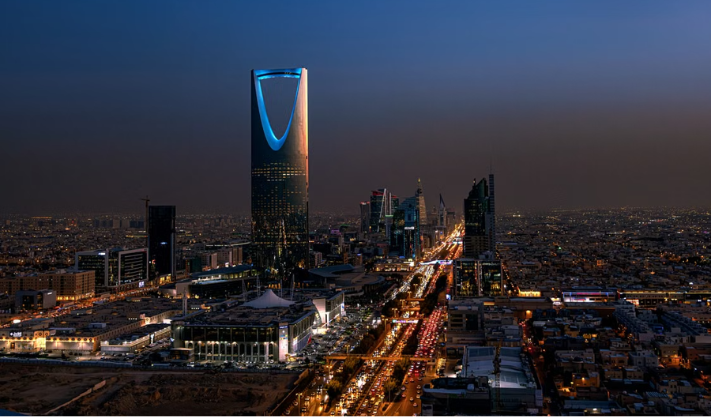
Saudi Arabia has the largest insurance market in the Arab world and one of the fastest-growing globally. Over the past ten years, total written premiums have increased from about $7.9 billion in 2014 to $20.3 billion in 2024, according to Bupa Arabia. Most of this growth comes from health and motor insurance.
Health insurance alone now makes up nearly 60% of the market. Mandatory coverage and a growing population have been the main drivers. Saudi Arabia’s Vision 2030 reforms, major infrastructure projects, rapid urban growth in Riyadh, digital healthcare platforms, a larger workforce, and rising religious and leisure tourism have all increased demand.
However, growth has also made existing problems more visible. One key issue is enforcement. Although health insurance is mandatory, only around 70% of eligible people are actually insured. This leaves an estimated 4–5 million people without coverage and results in $2.6–$3.7 billion in lost premiums.
The growth potential is still there, but experts say it depends heavily on stricter enforcement of existing rules.
Profitability Under Pressure
Even with strong premium growth, profits remain weak. Medical costs in Saudi Arabia are rising faster than global averages. Health insurance benefits are among the most generous worldwide, which increases claims.
According to the WTW Global Medical Trends Survey, private medical insurance costs in the Middle East are expected to rise by around 12% in 2025, compared to a global average of about 10.4%.
Another issue is the fee-for-service healthcare system. Hospitals are paid based on the number of services they provide, not health outcomes. This encourages overuse. Providers want to deliver more services, insurers want to limit usage, and patients often pay nothing directly, which removes cost awareness.
Regulation has added further pressure. Since 2021, public hospitals have been allowed to bill insurers directly for insured patients, using government-set prices with no negotiation. This has made public hospitals one of the biggest sources of claims in just a few years.
Fraud, waste, and abuse are also major problems. Studies suggest that 15–18% of health insurance claims fall into this category, costing up to $2.1 billion annually. Weak data sharing and limited detection systems make the problem hard to control.
On top of that, insurers face heavy regulatory fees. In 2024, they paid more than $300 million in levies, mostly related to health insurance. This was far higher than the sector’s total operating profit.
Technology as a Solution
Technology offers one of the strongest paths forward. Since the COVID-19 pandemic, digital health services in Saudi Arabia have grown rapidly. Virtual medical consultations increased from about 1.3 million in 2021 to over 4.6 million in 2023.
Automation in claims processing, standard medical coding, AI-based systems, and digital policy issuance are improving efficiency. This progress has been helped by strong cooperation between regulators and insurers, with the government providing digital infrastructure and private firms using it in their operations.
Still, technology alone is not enough. Long-term success will also require value-based healthcare, better management of chronic diseases, integrated care models, and more effective use of data and AI to reduce fraud and improve compliance.
The UAE: Growth Through Balance and Diversification
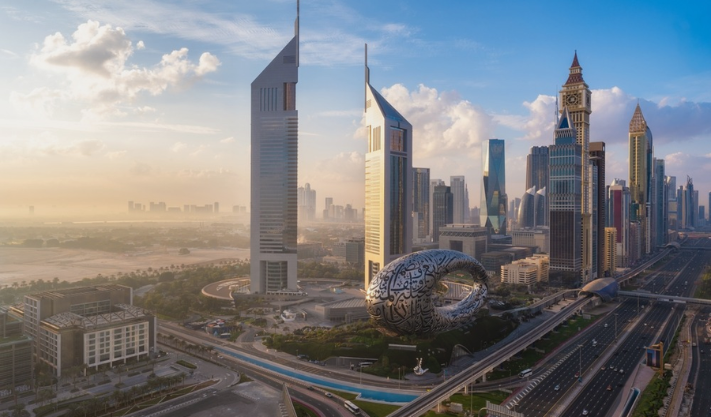
While Saudi Arabia’s market is driven by scale, the UAE’s insurance sector is built on balance and diversification. In 2024, total premiums reached $17.7 billion, growing by about 22% year on year.
Property and liability insurance grew strongly, supported by real estate and construction activity. Life, health, and pension-related insurance also performed well, reflecting workforce growth and healthcare demand.
The UAE benefits from spreading risk across many sectors. This reduces volatility during downturns in any single industry. Strong equity markets have also supported insurers by boosting investment income.
According to IMARC Group, the UAE health insurance market was worth $8.7 billion in 2024 and is expected to reach $14.9 billion by 2033.
Strong Regulation and Market Discipline
The UAE’s stability is the result of tighter regulation. Stricter rules around capital, governance, and risk management have made the market safer but also pushed smaller players out. Many smaller insurers struggle to meet rising compliance standards, leading to consolidation.
Regulators and large insurers see this as positive. Fewer but stronger companies create a healthier and more stable market.
Automation Creates Winners and Losers
Even in the UAE, a gap is forming. Some insurers are investing heavily in AI, automation, and digital platforms. Others still rely on manual processes and outdated systems. As customer expectations shift toward instant digital service, inefficiency has become a strategic risk.
A Sector at a Crossroads
Across the GCC, insurance has moved into the spotlight. It now plays a key role in healthcare reform, infrastructure growth, digital transformation, and economic stability. The next decade will show whether the industry can overcome its structural weaknesses and become a strong foundation for the Gulf’s post-oil future.
Published: 5th February 2026
For more article like this please follow our social media Twitter, Linkedin & Instagram
Also Read:
Saudi Arabia took nearly 80% of GCC IPO funds in 2025
WGS 2026: Global Cities Compete for Talent, Investment
Luxury Investing Is Changing: Why Value Now Follows New Rules