Luxury Investing Is Changing: Why Value Now Follows New Rules
Luxury investing is going through a reset. For many years, people believed that rare items like fine art, classic cars, and luxury collectibles would always keep their value. That belief is now being tested. The luxury market is starting to behave more like other investment markets — it goes up and down, depends on quality, and is affected by the global economy.
Between 2022 and 2023, Knight Frank’s luxury investment index rose by 23%. But in 2024, it fell by 3.3%. This does not mean investors are leaving luxury assets. Instead, it shows that the old idea — that rarity alone protects value — no longer works the same way. The market is not crashing. It is adjusting, and value is being divided more clearly across different types of luxury.
Performance is no longer equal
Luxury collectibles were once seen as safe stores of value and a good way to diversify investments. That idea is becoming weaker. Scarcity and history still matter, but they are no longer enough by themselves.
In 2024, the personal luxury goods market fell by 2%, according to Bain & Company. This was its first real decline since the global financial crisis, not counting the COVID-19 years. At the same time, luxury experiences — such as travel, wellness, and hospitality — grew by 5%. They are now the fastest-growing part of the $1.8 trillion global luxury market.
Liam Bailey, global head of research at Knight Frank, says this change reflects a wider economic shift. During the pandemic, ultra-low interest rates helped push luxury prices higher and encouraged speculation. As interest rates rose, that extra excitement disappeared. “Investors are no longer guaranteed profits just by buying rare items,” Bailey explained.
Public markets have also changed investor behavior. Global stock markets performed strongly in 2024 and into 2025. When traditional investments deliver good returns, investors need stronger reasons to move money into luxury assets.
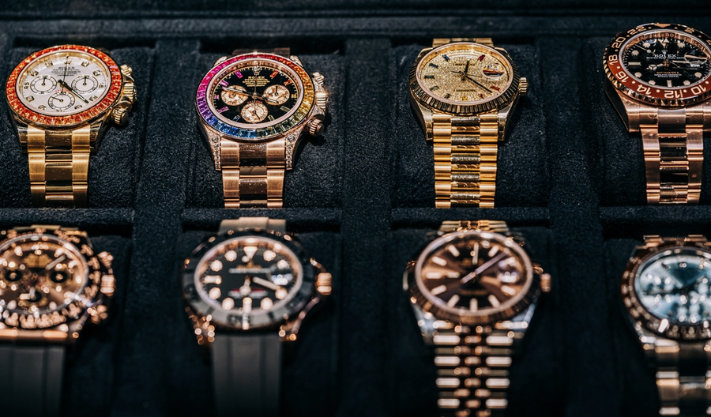
Knight Frank data shows this clearly. In 2024, only half of tracked luxury asset classes made gains. Fine art prices fell by 18.3%. Watches rose slightly by 1.7%, and classic cars increased by just 1.2%. This shows that luxury is not a guaranteed hedge or safe investment anymore. Returns now depend heavily on timing, cycles, and quality.
Luxury splits into two paths
What we are seeing is a clear split in the luxury market. Luxury is now moving along two different paths, each with its own idea of value.
The first path is investable luxury. This includes assets like art, rare watches, collectible cars, and high-end objects. In this space, value still depends on rarity, history, brand, and long-term demand. However, the rules are stricter than before. In uncertain times, investors prefer proven, top-quality assets. For example, Old Master paintings or rare vintage Ferraris are more attractive than untested contemporary art.
The second path is experience-based luxury. This includes travel, wellness, private clubs, hospitality, and exclusive access. The goal here is not financial return. The value comes from lifestyle, status, and personal enjoyment, not resale.
Knight Frank’s research shows that the “joy of ownership” now matters more than investment returns in many regions. Bailey calls this “emotional luxury.” Status is no longer only about owning something expensive. It is about experiences and access — for example, being invited to exclusive driving events instead of just owning a supercar.
This does not mean people have stopped buying luxury objects. It means only the highest-quality items are still treated as investments. At the same time, more luxury spending is going into experiences that were never meant to hold long-term financial value.
Why this shift is happening now
This change is not happening because the rich are getting poorer. In fact, global wealth is still growing. According to UBS, the number of billionaires worldwide has passed 3,000, up from 2,800 a year earlier. Instead, deeper structural changes are reshaping luxury demand.
One major factor is generational change. Younger wealthy individuals have different tastes, stronger digital habits, and greater concern for sustainability.
The pandemic sped up online luxury sales. Bailey notes that Gen Z participation in online luxury auctions has increased more than seven times since 2019. Younger buyers are comfortable buying expensive items online without seeing them in person. This is changing how prices are set and how demand works.
At the same time, the world is experiencing a massive transfer of wealth. UBS estimates that more than $83 trillion will be passed down globally by 2045. By 2030, Millennials and Gen Z are expected to account for around 80% of the global luxury market.
As these younger groups gain control of wealth, emotional connection plays a bigger role in value. In the car market, interest is shifting from 1960s classics to “poster cars” from the 1980s and 1990s, such as the Lamborghini Countach. These are the cars people admired while growing up, which adds emotional value.
Sustainability is also becoming a key price factor. Bailey says 75% of next-generation buyers are willing to pay more for environmentally friendly products. In real estate, buildings with strong environmental standards can sell for up to 18% more. Assets that fail to meet sustainability expectations may become harder to sell in the future.
Luxury value today is not only about history and craftsmanship. It is also about identity, ethics, and long-term trust.
The Middle East: Luxury as strategy
This evolution is especially visible in the Middle East. For ultra-wealthy families in the UAE and across the Gulf, luxury is becoming less about consumption and more about long-term positioning.
Dominic Volek, group head of private clients at Henley & Partners, says luxury in the region is now focused on “control, flexibility, and resilience.” Traditional luxury items like art and watches are still part of portfolios, but they are no longer the main focus.
Property shows this change clearly. Dubai has become the global center for branded residences. In 2025, transactions rose by 26%, and prices increased by 51%. These homes sell at an average premium of about 64% compared to non-branded luxury properties.
Buyers are not just paying for design or famous names. They are buying security, services, and global lifestyle advantages built into the property.
Experiential luxury in the Gulf is also seen as essential infrastructure. Private jets, wellness programs, and longevity services are treated as tools that protect time, privacy, and independence — not just luxury extras.
Generational change strengthens this trend. Younger Gulf wealth holders are globally educated and comfortable living in multiple countries. Policy changes, such as tax rules and visa systems, have also increased awareness that location risk matters as much as market risk.
As a result, family offices are now managing “domicile portfolios.” This means they diversify not only investments, but also residency, citizenship, and legal jurisdictions — treating mobility and access as part of long-term wealth protection.
A new definition of luxury value
Luxury investing is not disappearing. But the rules have changed. Rarity alone is no longer enough. Quality, relevance, sustainability, and emotional connection matter more than ever.
Luxury today is being divided clearly: only the best objects remain true investments, while experiences define status and lifestyle. For investors, the message is simple — luxury still matters, but value now follows new rules.
Published: 3rd February 2026
For more article like this please follow our social media Twitter, Linkedin & Instagram
Also Read:
Saudi opens stock market to foreign investors, limits
Arab Wealth Funds Rival G7—Where Does the Money Go?
Mubadala Capital raises $554m in first co-investment fund