GCC States May Depend on Saudi Arabia for Food Imports
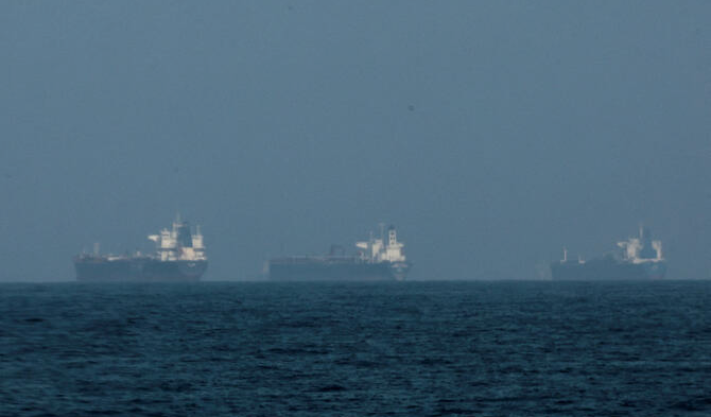
Some Gulf countries may need to depend on land routes through Saudi Arabia to receive food if the war involving the United States, Israel, and Iran continues to disturb shipping in the Strait of Hormuz and limit air travel in the region. Analysts shared this warning on Thursday.
Countries in the Gulf Cooperation Council (GCC) rely heavily on imported food. In fact, the region imports up to 90 percent of its food. Because of the ongoing conflict, experts expect food prices to rise and some products to become harder to find.
Neil Quilliam from the research organization Chatham House explained that more than 70 percent of food imported by GCC countries normally passes through the Strait of Hormuz. If the conflict continues and shipping through this route is disrupted, Gulf countries could face food shortages.
He said that GCC governments have tried to prepare for such problems. Many countries have found different suppliers and built up food reserves to deal with supply disruptions. However, these measures can only support the region for a limited time. According to Quilliam, the current reserves may last only a few months. After that, markets may begin to experience higher prices and longer delivery times for imported food.
Another expert, commodities analyst Ishan Bhanu, said the biggest short-term problem would come from a possible blockade of Jebel Ali Port in Dubai. This port is one of the most important supply centers in the region and serves around 50 million people.
Bhanu explained that if Jebel Ali becomes blocked, several countries — including Qatar, Kuwait, Bahrain, and Iraq — would face serious supply challenges. These countries would become effectively landlocked for food imports. As a result, they would likely depend on land transport routes through Saudi Arabia to receive essential supplies.
So far, major supply bottlenecks have not yet appeared. Authorities in the United Arab Emirates have stated that the country’s strategic reserves of essential goods are strong enough to cover between four and six months of demand. The government has also encouraged residents to report any unfair or unexplained price increases through a special hotline.
Employees working in supermarkets across the Gulf region say that store shelves are still mostly full. However, some suppliers are taking longer than usual to restock certain products. This delay suggests that supply chains may already be experiencing pressure.
Over the weekend, Iran launched strikes in the Gulf region, which caused concern among residents. In response, many people rushed to supermarkets to buy extra food and basic goods. This panic buying temporarily increased demand and gave a preview of what could happen if the conflict continues.
Quilliam noted that public perception plays an important role in such situations. Even if there is enough food available in warehouses, fear can quickly spread among the population. When people worry about shortages, they may rush to buy large amounts of food. This can empty store shelves quickly and create the impression that supplies are running out.
He warned that panic buying alone can disrupt normal supply patterns and make the situation appear worse than it actually is. As tensions remain high in the region, experts say maintaining public confidence and ensuring steady supply routes will be critical for Gulf countries in the coming months.
Also Read:
Burj Khalifa Emptied After Israel-Iran Conflict Reaches Gulf
How Barbara Weiland Supports Leaders after Private Separation
Egypt’s Record Reserves Boost Financial Stability During Reforms