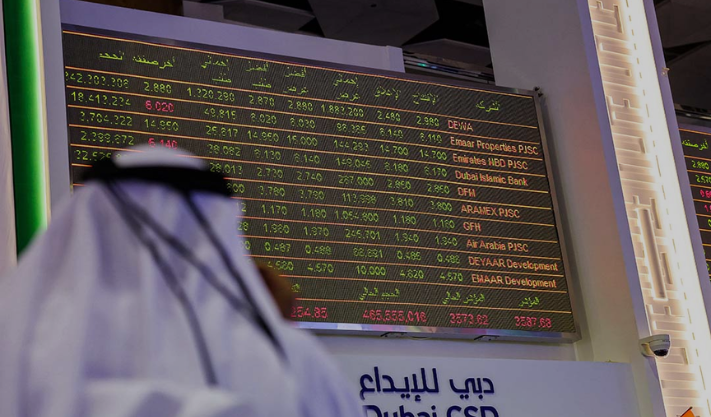
Conflict Reshaping Gulf Markets: Energy Companies Rise While Travel Stocks Fall
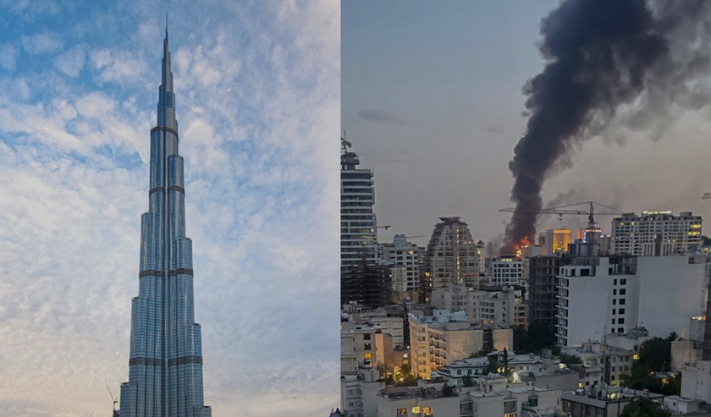
Stock markets in the Gulf Cooperation Council (GCC) countries are reacting very differently across sectors after the growing conflict involving the United States and Israel against Iran. The situation has led to retaliatory attacks across the Gulf region and has made investors nervous.
Because of the conflict, some industries are doing well while others are struggling. Oil and gas companies are seeing their stock prices rise as oil prices increase and fears grow about possible supply disruptions. At the same time, companies linked to travel and tourism are facing losses. Airspace closures, many cancelled flights, and higher fuel and insurance costs are putting strong pressure on these sectors.
Energy stocks rise
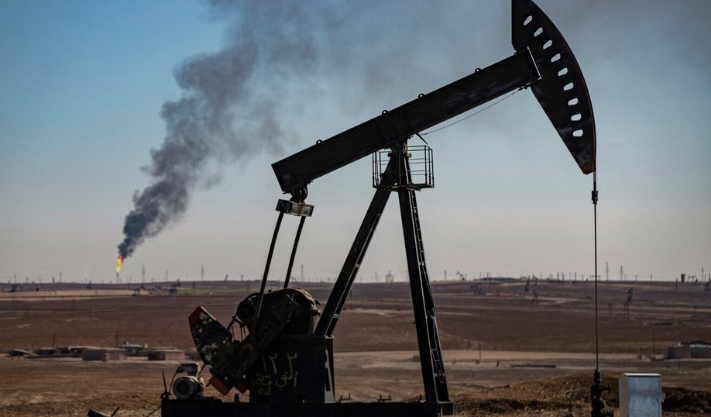
One of the biggest winners from the situation is Saudi Aramco, the world’s largest oil producer. Since the conflict started on February 28, the company’s shares have increased by about 3.7%. During the same period, Brent crude oil prices rose to around $84.41 per barrel on Friday morning, compared to about $72–73 per barrel a week earlier.
Investors believe that higher oil prices will increase the company’s revenue and profits this year. Because Saudi Aramco exports large amounts of crude oil around the world, rising prices are expected to have a positive impact on its financial results.
Another company benefiting from higher energy prices is Dana Gas. Its shares increased by about 4.7%, even though the overall Abu Dhabi Securities Exchange market declined due to growing regional security concerns. Some oil and gas operations in the region have been affected, and in certain areas liquefied natural gas (LNG) activities have been paused because of the security situation.
Because of the market volatility, some regional stock exchanges took precautionary steps. The markets in Dubai and Abu Dhabi were closed for two days at the start of the week. Meanwhile, Kuwait temporarily stopped trading on March 1 and reopened the next day.
These actions helped prevent panic selling and reduced the risk of a larger fall in stock prices while the conflict was developing.
According to Tahir Abbas, head of research at Ubhar Capital, companies related to energy and petrochemicals are the biggest winners in the current environment. This includes fertiliser producers that depend on natural gas and oil-related products.
Abbas explained that Saudi Aramco’s stock has remained strong, but investors are carefully watching the situation in the Strait of Hormuz. This narrow waterway is one of the world’s most important oil shipping routes, and disruptions there could create serious supply problems.
However, Abbas also noted that Dana Gas has faced some investor caution. This is because the company operates in several locations across the region, and investors worry that some of these operations could face risks if the conflict continues.
Energy demand supports Omani companies
Shaoor Turabee, senior research analyst at Vision Capital, agrees that rising global energy demand and higher oil prices are helping energy companies.
He said companies such as OQ Exploration and Production and OQ Base Industries in Oman are likely to benefit from the situation.
OQ Exploration and Production may gain from both higher oil production and better prices. At the same time, OQ Base Industries could see higher profit margins in the chemicals sector as global supply chains become tighter due to the conflict.
Travel and tourism stocks fall
While energy companies are gaining, the situation is very different for travel and tourism businesses.
According to Abbas, investors are becoming cautious about airline, travel, and tourism companies. However, many large regional airlines such as Emirates and Qatar Airways are state-owned and not publicly listed, meaning their shares are not traded on stock markets.
Even so, the effects of the conflict are clearly spreading to related industries.
Companies involved in airport services, hotels, and tourism are likely to face difficulties as travel disruptions reduce the number of visitors. Abbas also said that the negative impact can spread to other sectors such as real estate, financial services, and industrial companies.
For example, shares of the budget airline Air Arabia fell by about 9.6% during the week after the conflict began. Airlines have been forced to cancel thousands of flights due to airspace restrictions across the region.
Another budget airline, flynas, also saw its shares drop by around 2%.
Meanwhile, the major real estate developer Emaar Properties experienced a similar decline, with its stock falling 9.6% during the same period.
Mixed performance in regional markets
Stock markets across the Gulf region showed mixed performance during the week.
The main stock index in Dubai fell by nearly 6%, while the benchmark index in Abu Dhabi declined by around 5%.
However, Saudi Arabia performed better. Its main market index, Tadawul All Share Index, increased by about 2.9%. Strong performance by major companies such as Saudi Aramco and Al Rajhi Bank helped support the market.
Elsewhere, Qatar’s QE Index fell by 3.2% due to declines in large companies, while Oman’s MSX 30 Index dropped slightly by 0.2%.
Oil price outlook
Looking ahead, Abbas believes oil prices may stay high in the short term. One major reason is the disruption in the Strait of Hormuz.
Reports suggest that oil tanker traffic through the strait has dropped by about 92%. Since around 20% of the world’s oil passes through this route, any disruption quickly increases the risk of higher oil prices.
If the disruptions continue, oil markets are likely to keep factoring in supply risks, which could support higher prices. However, Abbas says the future direction of oil prices will largely depend on how quickly tensions in the region decrease and shipping returns to normal.
Risks for the region
At the moment, the biggest risk for Gulf markets is a longer conflict that could seriously affect energy trade routes, especially in the Strait of Hormuz where tanker movement has already slowed sharply.
Higher oil prices usually support the economies of GCC countries. However, Abbas says markets prefer stability rather than a price rise caused by conflict.
Turabee added that Oman’s geographic location and strategy give it some advantages during uncertain times. The country could attract more global demand as companies look for safer energy and logistics hubs.
However, he warned that a major escalation of the conflict would increase risks for all economies in the region. Historically, long regional conflicts have not been good for any country in the Middle East.
For now, the conflict is clearly changing investor behaviour across Gulf markets. Energy companies are benefiting from higher oil prices and supply concerns, while aviation, tourism, and property companies are facing losses due to travel disruptions.
The future performance of regional stock markets will depend largely on how the situation develops. If tensions ease quickly, stability may return to energy routes and investor confidence. But if the conflict continues to escalate, market volatility is likely to remain high.
Also Read:
Drone Strike on Ras Tanura Raises Concerns Over Gulf Oil Supply
GCC States May Depend on Saudi Arabia for Food Imports
Burj Khalifa Emptied After Israel-Iran Conflict Reaches Gulf