Abu Dhabi’s Business Licence Jump Signals Momentum—But Competition Looms
Abu Dhabi saw a strong rise in new business licences in 2025, showing the emirate’s success in attracting companies and investment. This growth is part of its ongoing plan to reduce reliance on oil and build a more diverse economy.
According to official data from the Abu Dhabi Registration Authority (ADRA), the number of new licences issued increased by 29% compared with the previous year. Licence renewals also rose by 20%, showing that many businesses are continuing their operations in the emirate. In total, more than 158,000 companies were active in Abu Dhabi mainland in 2025.
This increase is higher than the 16% growth recorded the year before. The rise reflects Abu Dhabi’s efforts to improve regulations, simplify business setup procedures, and attract both local and international investors. At the same time, it also highlights the growing competition within the UAE, especially between Abu Dhabi and Dubai, as both emirates work to become major business hubs in the region.
Growth across different sectors
The rise in licences was seen across many sectors of the economy. Industrial licences increased by 20%, tourism licences grew by 10%, and occupational licences recorded a major jump of 122%. Professional and commercial licences each increased by 28%, while licences related to agriculture, fisheries, and livestock rose by 12% compared with 2024.
Experts say that regulatory reforms have made it easier for new businesses to enter the market.
Tim Waterer, chief market analyst at KCM Trade, said Abu Dhabi is benefiting from policy changes that have reduced risks for entrepreneurs starting new companies. For example, the Tajer Abu Dhabi licence allows businesses to operate without a physical office for the first three years. The government has also expanded the list of business activities available under the licence system, making it easier for different types of companies to enter the market.
George Naddaf, managing director for the Middle East and North Africa at eToro, said the increase in businesses shows that broader reforms and investor-friendly policies are working.
He explained that business procedures have become much simpler. Initiatives such as the Unified Economic Licence have reduced the time and administrative work needed to start a company.
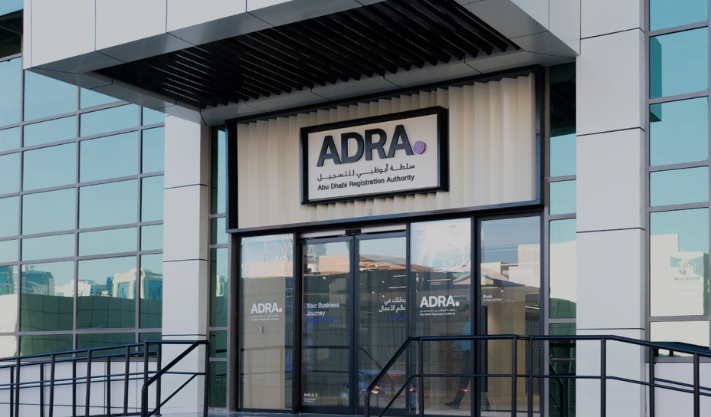
Another key step was the creation of the Abu Dhabi Registration Authority in early 2025. The organisation operates under the Abu Dhabi Department of Economic Development and aims to manage business licensing more effectively. It also focuses on simplifying company formation and introducing digital systems to support entrepreneurs and investors.
Diversification strategy gaining momentum
The increase in business licences is closely linked to Abu Dhabi’s strategy to grow its non-oil economy.
According to Naddaf, industries such as advanced manufacturing, financial services, technology, clean energy, healthcare, and logistics are becoming increasingly important. Government programmes, including the Abu Dhabi Industrial Strategy, are encouraging investment in these sectors.
Investments in artificial intelligence, digital infrastructure, and support from institutions such as the Abu Dhabi Investment Office (ADIO) are also attracting companies working in advanced industries.
Data shows that many businesses quickly move from registration to actual operations. More than 80% of companies registered with ADRA become operational, suggesting that investors are serious about building long-term businesses in the emirate.
Waterer said this activity is bringing real foreign direct investment into the economy. Sectors such as hospitality, real estate, and technology are already seeing new projects. However, the full amount of capital invested will take time to become clear.
Economic growth in Abu Dhabi has also supported the rise in licences. The emirate’s economy expanded by 7.7% year-on-year in the third quarter of 2025, reaching a record quarterly value of $88.7 billion. During the same period, the non-oil economy grew by 7.6%, driven by sectors such as manufacturing, real estate, and artificial intelligence.
Fintech and digital services are among the fastest-growing sectors. Regulatory initiatives and incentives offered by free zones have helped attract companies in these areas. Renewable energy and clean technology are also expanding as the UAE works toward its net-zero goals and supports major sustainability projects.
Waterer said the country is beginning to move from an oil-focused economy toward an innovation-driven one. Non-oil sectors now account for more than half of the country’s GDP. While this shift is positive, he noted that government revenues still rely heavily on oil, which remains a long-term challenge.
Competition within the UAE
Abu Dhabi offers several advantages to international businesses. These include strong government support, political stability, modern infrastructure, and good connections to regional markets through major ports and logistics hubs.
The emirate also allows full foreign ownership in most sectors and has clear regulations designed to attract global investors.
However, businesses must also consider some challenges. Costs in Abu Dhabi can be higher than in some emerging markets, especially when it comes to office space, operating expenses, and compliance requirements.
The UAE’s relatively small domestic population also means many companies must expand internationally to achieve large-scale growth, particularly in manufacturing and consumer-focused industries.
Naddaf pointed out that Abu Dhabi still faces strong competition from Dubai. Dubai has a lower investment requirement for certain Golden Visa categories and a larger ecosystem for small businesses and startups. It also has more specialised free zones that support different industries.
While Dubai is known for its fast-moving and entrepreneurial business environment, Abu Dhabi has traditionally focused on larger, government-backed projects. The emirate has fewer free zones and often concentrates on sectors such as clean energy, industrial development, and finance.
Maintaining the momentum
Despite its progress, attracting international companies remains competitive.
Waterer said that some bureaucratic processes can still be challenging for new businesses, and the emirate also faces shortages of highly skilled professionals in certain industries.
Dubai’s well-established business network, global reputation, and lifestyle appeal also continue to attract many international companies.
Like other rapidly growing cities, Abu Dhabi must manage rising construction costs, labour market pressures, and global supply chain challenges. In addition, its economy can still be affected by changes in global energy prices and international investment flows.
Even so, the 29% increase in new business licences shows strong momentum in Abu Dhabi’s economy. Analysts say that maintaining this growth will depend on continued regulatory improvements, competitive costs, and the emirate’s ability to offer something different in an increasingly competitive regional business landscape.
Also Read:
Crypto Markets See Volatility Amid US-Iran Tensions
Gulf Markets shift: Energy firms rise, travel stocks fall
Drone Strike on Ras Tanura Raises Concerns Over Gulf Oil Supply