GCC Real Estate Set for Strong H1 2026 as Investors Look Beyond Oil
Real estate markets in Saudi Arabia, the UAE, and Kuwait are expected to stay strong in the first half of 2026. According to a new report by Kuwait Financial Centre (Markaz), property markets across the Gulf region are likely to continue growing.
The growth is supported by strong local demand, government development plans, and changing investor interests. Many investors in the Gulf Cooperation Council (GCC) are now looking beyond oil and gas and are putting more money into property.
Markaz says market conditions are improving due to better liquidity and lower interest rates. Higher oil production and growth in non-oil sectors are also helping the economy. As governments continue to spend on infrastructure and development projects, this is expected to increase borrowing and investment in residential, commercial, and industrial real estate.
Real estate remains an important part of the region’s economic development. It offers attractive opportunities for investors in housing, offices, retail spaces, and warehouses.
Stable Growth in Kuwait
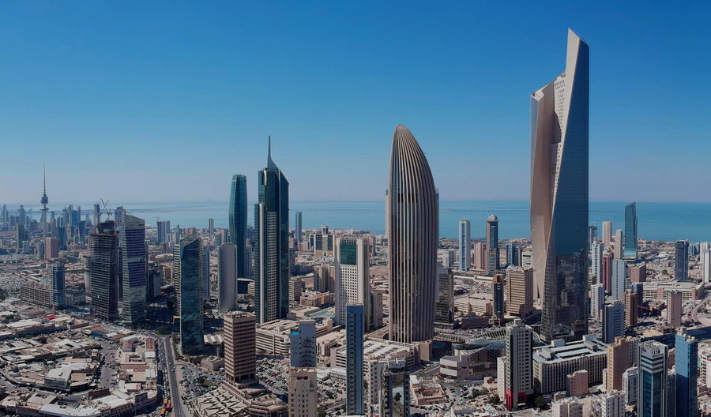
In Kuwait, the real estate market showed stable growth during the first nine months of 2025. Rising land prices and higher rental rates supported the sector, especially in the investment and commercial segments.
Land prices increased across different governorates. Rental rates in the investment property segment also rose steadily.
Total real estate sales increased by 26.9% year-on-year, reaching $9.9 billion (KWD 3 billion). All segments recorded growth. The investment segment saw sales jump 60%, while residential sales grew by 8%, and commercial sales rose by 17.4%. The number of property transactions also increased by 27.8% to 4,247 deals.
In 2026, Kuwait’s real GDP is expected to grow by 3.9%. This growth will likely be supported by higher oil production, stronger non-oil economic activity, more government project awards, and expected interest rate cuts. These factors should support demand for office spaces, warehouses, and other commercial properties.
Markaz expects Kuwait’s property market to remain stable in the first half of 2026, with possible further increases in land prices and rental rates.
Strong Momentum in Saudi Arabia
In Saudi Arabia, the real estate market continues to grow quickly. Residential transaction volumes increased by 17.9% quarter-on-quarter in the third quarter of 2025. The biggest increases were seen in Riyadh and Jeddah, where property prices have risen the most.
The office market in Riyadh is very tight. Vacancy rates are extremely low at just 0.5%, which has pushed prime rents up by 7.3% year-on-year.
These trends are strongly linked to the country’s reform plans under Vision 2030. This national strategy aims to reduce Saudi Arabia’s dependence on oil and grow other industries such as tourism, technology, and healthcare.
One important initiative is the Regional Headquarters Program, which encourages global companies to set up offices in Riyadh. More than 780 multinational companies have already joined the program, helped by incentives such as a 30-year corporate tax exemption. Growth in sectors like healthcare and technology has also increased demand for office space.
Population growth is another key factor supporting housing demand. Saudi Arabia’s population reached 35.3 million by mid-2024, up 4.7% compared to the previous year. Non-Saudi residents make up around 44.4% of the total population. This growing population is increasing demand for homes, retail centers, and office space.
Markaz believes Saudi Arabia’s real estate market will remain strong in the first half of 2026, with stable conditions and opportunities for further gains.
UAE Attracts Global Investors
The United Arab Emirates continues to attract strong interest from local and international investors.
In Dubai, real estate transactions reached $150.9 billion (AED 554.1 billion) in the first three quarters of 2025, up 28.3% year-on-year. In Abu Dhabi, property sales reached $15.8 billion (AED 58 billion), showing strong annual growth of 75.8%. Transaction volumes in Abu Dhabi also rose by 42.3%.
Dubai’s rental market remains very attractive compared to major global cities. Rental yields in mid-2025 were estimated at 7.47%, which is higher than cities such as Singapore, New York, and London.
However, after several years of rapid growth, the market may slow down slightly. Markaz expects some moderation in the medium term and believes the UAE property market could reach a peak in the first half of 2026. Prices and rents are still expected to grow, but at a slower and more stable pace.
Property consultancy Cushman & Wakefield also noted that annual price growth in Dubai has been slowing. Growth eased from 22% in 2023 to 18% in 2024 and 13% in 2025. This suggests the market is moving from very rapid growth toward a more normal pace.
Mega Projects and Long-Term Reforms
Large infrastructure and mega projects across the GCC are also driving real estate demand.
In Saudi Arabia, major developments such as NEOM, Qiddiya, and Red Sea Project continue to attract huge investment. These projects are creating new cities, tourism destinations, and business hubs, which increase demand for housing, hotels, offices, and retail space.
In the UAE, long-term residency programs like the Golden Visa are helping attract foreign investors, skilled professionals, and high-net-worth individuals. These policies support demand in luxury residential and mixed-use developments.
Regulatory reforms have also improved transparency in property transactions. Better land registry systems and stronger oversight have increased investor confidence. According to Oxford Business Group, both regional family offices and international funds are showing growing interest in GCC real estate.
Looking Ahead
Investors are now asking whether the strong performance is part of a long-term growth cycle or simply a short-term rebound.
Several long-term factors suggest continued stability. Residential supply across the GCC is expected to reach about 7.3 million units by 2030, compared to around 6.3 million units in 2025. Population growth and urbanisation are key drivers behind this expansion.
At the same time, global and offshore institutional investors are increasingly adding GCC real estate to their portfolios. As Gulf economies diversify and non-oil sectors grow, the region may become less sensitive to oil price changes and global interest rate cycles.
Although growth may slow slightly after recent strong years, the main fundamentals remain positive. Population growth, government-backed development, and strong global appeal are likely to support steady investor interest.
Overall, real estate in Saudi Arabia, the UAE, and Kuwait appears well positioned for a solid first half of 2026, as investors continue to seek new growth opportunities beyond hydrocarbons.
Published: 25th February 2026
For more article like this please follow our social media Twitter, Linkedin & Instagram
Also Read:
Wealth on the Move: Why the UAE Is Attracting More Millionaires
Strait of Hormuz in Focus: How Oil Prices React to Risk
Three GCC nations hold the largest share of US debt