Daouda Diabatè Interview
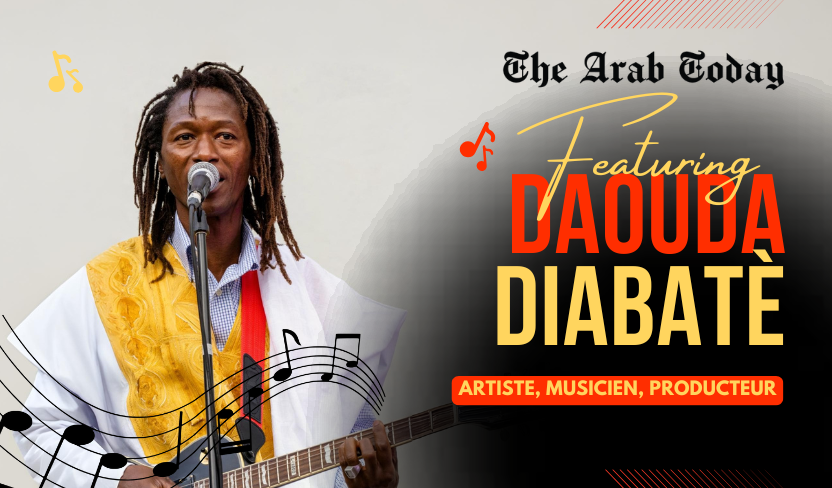
Daouda Diabatè was born in 1974 in Ziguinchor, Senegal. He is a singer, guitarist, and songwriter from a Jaly (griot) family. In African culture, griots are people who keep history alive through music and stories. From a young age, Daouda knew that music was not only for fun. It was also his duty to protect Africa’s memories and share them with the world.
Roots and Identity
The Arab Today: You were born into a Jaly family. How did this shape you as an artist?
Daouda Diabatè: Being a dialy (griot) is not just a job. It is a life responsibility. Anyone can learn to sing or play instruments, but only some families are chosen to carry history and truth through music. For us, music is memory, education, and wisdom passed from one generation to the next.
“Music is not only art for us. It is memory and education. My voice carries my ancestors’ stories and Africa’s soul.”
From childhood, I watched elders sing at weddings, village meetings, and special events. That is how I learned that music is part of daily life, not something separate from it.
The Meaning of Abedical
The Arab Today: What does “Abedical” mean to you?
Daouda Diabatè: Abedical means giving your best. For me, it is a way of living. It means working honestly, sharing love, and helping people through music. I believe music can break walls between cultures.
“Abedical means giving your best without holding back. Through music, I try to share truth and human values. Humanity is one family.”
This idea guides every song I write and every stage I step on.
Finding His Path
The Arab Today: What made you feel that music was your true path, and how did you mix tradition with your own ideas?
Daouda Diabatè: I started performing seriously at 14. My home was always full of instruments and old songs. I could feel music calling me.
“There is a saying in Africa: ‘Good blood never lies.’ I knew this path was in me, but I had to make it my own.”
I respect my ancestors deeply, but I also wanted to add my own feelings and modern ideas to the music.
Mixing Traditions and World Music
The Arab Today: How do you cross language and culture through music while keeping tradition alive?
Daouda Diabatè: I sing in Mandinka, Wolof, French, English, and Spanish. I believe language should not stop music from traveling.
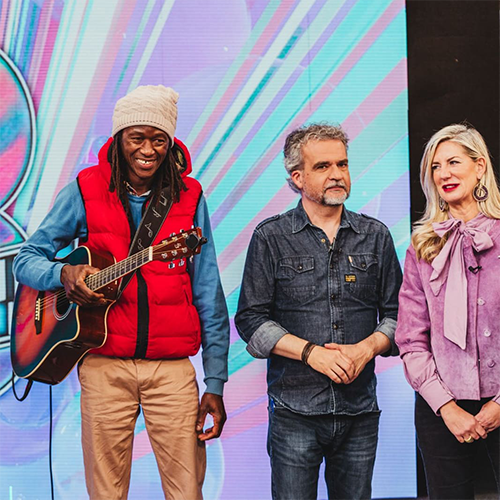
I lead a band called Toubamba, made of musicians from different countries. Together, we mix African rhythms with flamenco, pop, and soul.
“I respect tradition, but it must travel. When African music meets the world, it touches more hearts.”
My music sounds old and new at the same time.
Life in Spain
The Arab Today: How has living in Spain changed your music?
Daouda Diabatè: Now I live in Vielha, Spain. The mountains and quiet life help me think and create. I learn from European culture while staying close to my African roots. This balance makes my music richer and deeper.
Music with Purpose
The Arab Today: What makes you use music for unity and community? What do you want people to feel?
Daouda Diabatè: I started a project called “Window of Smile.” Through festivals and cultural events, I bring people together and support communities.
My albums like A New Day and Tama Silo talk about hope, respect, and modern African life.
“I want people to feel hope and dignity. My songs show that we can keep our identity and still live in unity.”
For me, every song is a gift to the world.
Connect with Daouda Diabatè on her Social Media Platforms:
Connect with Daouda Diabatè on her Social Media Platforms:
https://www.youtube.com/@abbhedicalmusic996
https://www.instagram.com/diabate3443?igsh=MXF4Y2lrZ253YTN6Yg==
https://www.facebook.com/share/17XvCLS9EG/
https://www.linkedin.com/in/daoudadiabateofficial
https://youtube.com/@abbhedicalmusic996?si=Cioy41TdzsdngN8G
https://open.spotify.com/intl-es/artist/44I70uICGE8unXOWrbuRP5
https://share.google/Ed7fkXSBFZz3cd8CX
Also Read:
Tom Larsen on Eloro’s discovery-led polymetallic growth
Faraz Ahmed from Banking Excellence to Entrepreneurial Vision
Capt. Pappu Sastry on Leading Global Shipping